
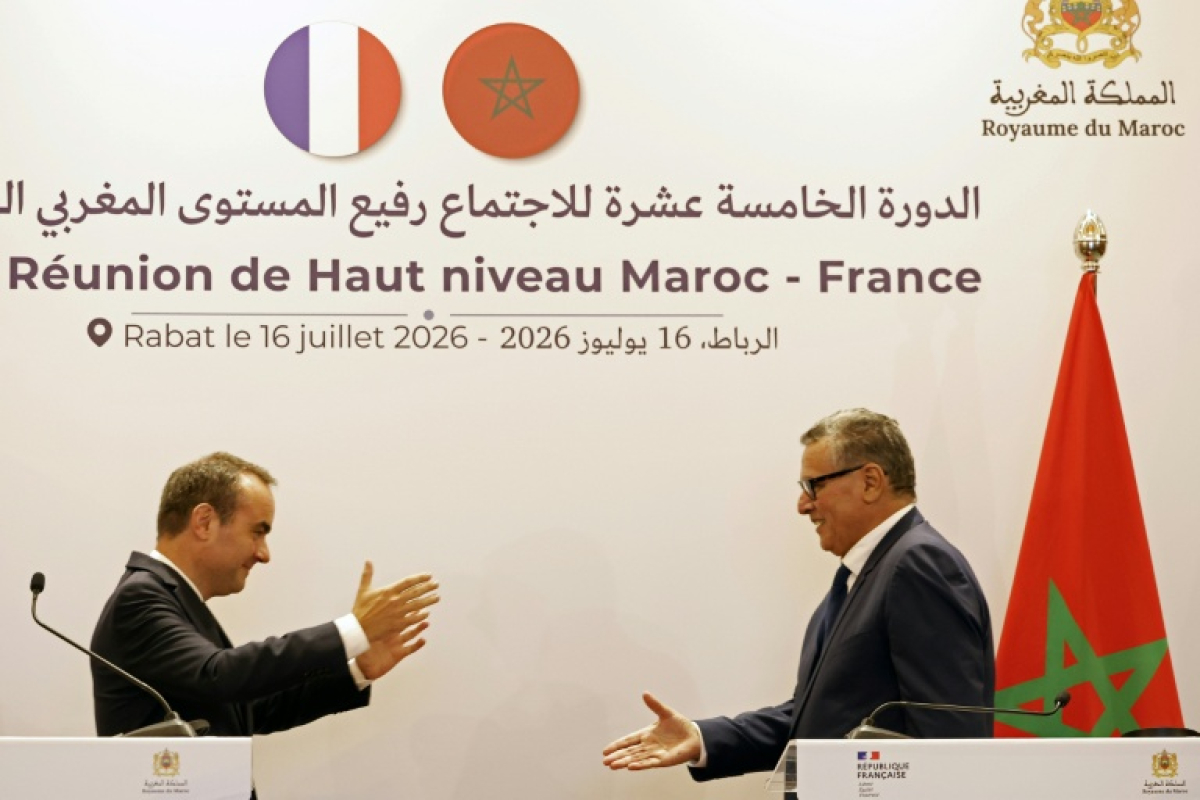
In a striking display of diplomatic rapprochement, France and Morocco have showcased their renewed confidence during a high-profile visit by French Prime Minister Sébastien Lecornu to Rabat. The meeting, held on July 16, 2026, at the Moroccan Ministry of Foreign Affairs, marks a significant milestone in bilateral relations that have steadily improved since 2024.
The visit comes after French President Emmanuel Macron’s landmark decision in the summer of 2024 to recognize Morocco’s sovereignty over the disputed Western Sahara territory—a move that drew sharp criticism from Algiers. The gesture paved the way for Macron’s state visit to Rabat in October 2024, which effectively ended three years of strained relations, exacerbated by espionage allegations and visa restrictions.
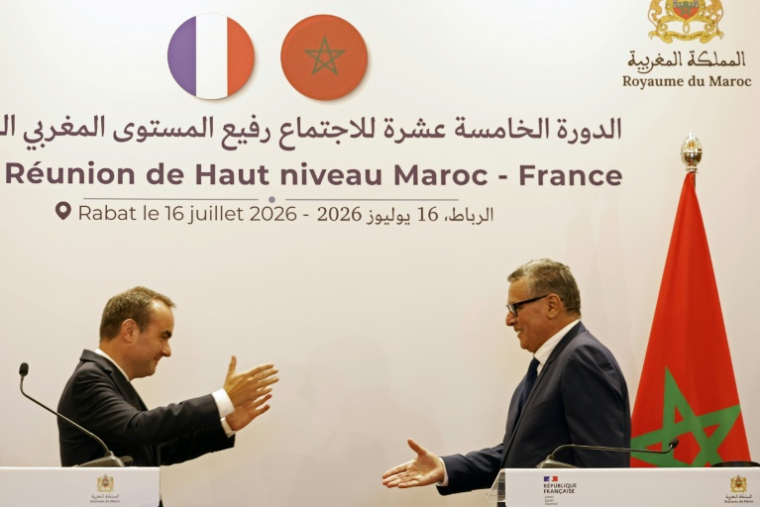
French Prime Minister Sébastien Lecornu (left) and Moroccan counterpart Aziz Akhannouch at a press conference in Rabat
Lecornu hailed the exceptionally positive state of Franco-Moroccan relations, attributing the progress to Macron’s bold diplomatic initiative. The two nations have since deepened their cooperation across multiple sectors, culminating in a groundbreaking partnership described as unprecedented outside the European Union framework.
diplomatic thaw and strategic alignment
Morocco’s King Mohammed VI, in a message commemorating France’s National Day, praised the consolidation of the two countries’ privileged relationship. The monarch’s potential visit to Paris—still unconfirmed—could further solidify ties, with plans for a historic treaty in the pipeline.
The French delegation, led by Lecornu and including key ministers such as Foreign Affairs chief Jean-Noël Barrot and Interior Minister Laurent Nuñez, engaged in a 15th high-level dialogue—a meeting absent since 2019. The agenda focused on security, counterterrorism, and enhanced collaboration in Africa, particularly in the Sahel region, where jihadist threats persist.
security and economic cooperation take center stage
Lecornu emphasized the central importance of Africa in France’s foreign policy, highlighting joint efforts to combat organized crime and drug trafficking. “We have achieved unprecedented operational successes in recent weeks,” he stated, underscoring the strength of intelligence-sharing between the two nations.
On visas—a contentious issue in 2021–2022 when France halved entries for Moroccans—Lecornu announced a shift toward facilitating circular mobility, prioritizing entrepreneurs and students. Meanwhile, Morocco secured financial agreements with France’s development agency for water projects and Rabat’s future RER line, alongside a call for expressions of interest in cross-border electricity interconnection.
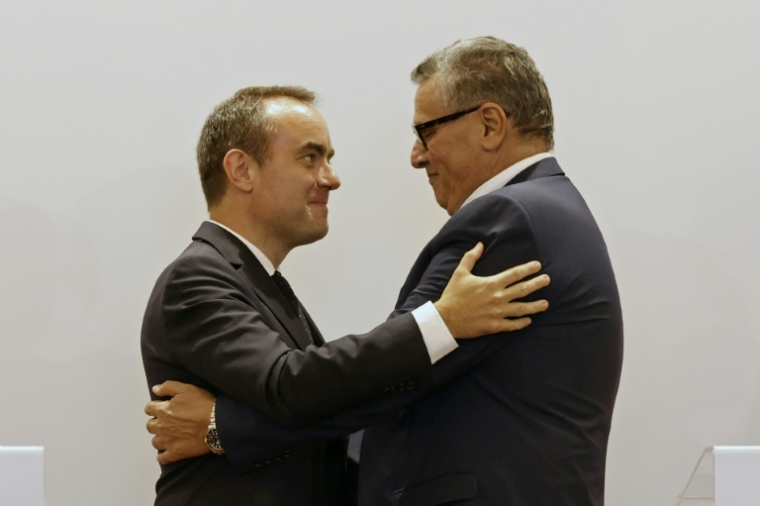
Lecornu and Akhannouch exchange greetings at the press conference
Moroccan Prime Minister Aziz Akhannouch framed the partnership as a strategic vision, built on shared political alignment and mutual trust. Analysts note that Paris has increasingly prioritized Rabat over Algiers, particularly in Sahel security matters, where Algeria’s cooperation remains limited despite recent Franco-Algerian rapprochement.
addressing controversies
Amid the positive momentum, questions lingered over reports of Morocco’s alleged use of the Pegasus spyware—a claim Rabat vehemently denies. French officials dismissed the issue as old news, with no further comment from the Élysée or Quai d’Orsay. The press conference, initially planned as a full Q&A session, was reduced to a brief statement, limiting journalists’ ability to probe deeper.
Twelve agreements were signed during the visit, signaling a new chapter in Franco-Moroccan relations. As both nations look ahead to potential royal visits and landmark treaties, the message is clear: diplomacy, security, and economic synergy are driving a partnership poised for global impact.