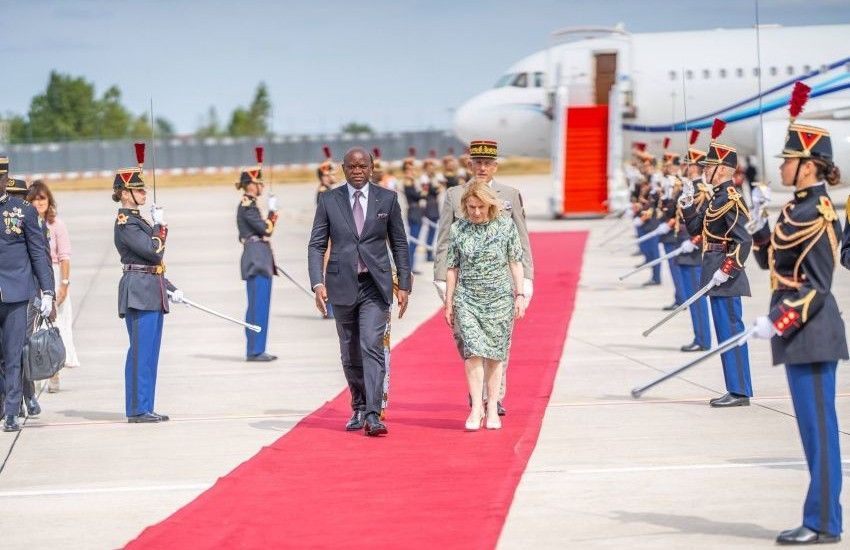
Gabon-France ties enter new era with high-level visit
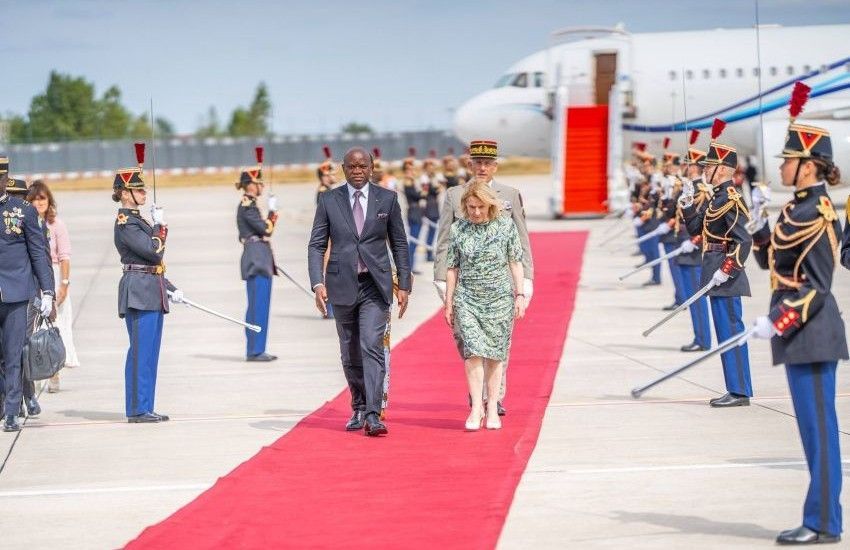
Libreville, July 20, 2026 – What began as a three-day state visit by Gabonese President Brice Clotaire Oligui Nguema to France has evolved into a landmark diplomatic event reshaping bilateral ties. Far beyond ceremonial formalities, this encounter signals a strategic pivot in Gabon-France relations.
Beneath the pomp of military honors and Élysée Palace dinners lies a deliberate effort to recalibrate economic cooperation, industrial sovereignty, security arrangements, and cultural exchange. The agenda reflects both nations’ commitment to redefining their partnership amid shifting African geopolitics and France’s evolving continental strategy.
This marks a historic moment: President Oligui Nguema’s first state visit to France since assuming office. The decision underscores Paris and Libreville’s shared ambition to inaugurate a fresh chapter in their alliance, particularly as France recalibrates its African footprint.
Announced in June, the visit’s significance lies not just in protocol but in substance. A delegation including political leaders, business figures, and media representatives accompanied the President, signaling the trip’s economic, institutional, and strategic ambitions.
Three days to reset a partnership
The itinerary reflects meticulous planning. It opened with a tour of the Château de Versailles, followed by military honors at Les Invalides and a pivotal tête-à-tête between President Oligui Nguema and French President Emmanuel Macron at the Élysée Palace. This private meeting set the tone for substantive negotiations.
Discussions built on commitments made during Macron’s November visit to Libreville, culminating in the signing of new bilateral agreements. Key priorities include Gabon’s economic diversification, infrastructure modernization, industrial growth, investment promotion, and defense cooperation upgrades.
A standout demand emerged: the transfer of the De Gaulle military base’s land title to Gabon. The objective? Establishing a national training center for Gabon’s defense and security forces.
The second day shifted to solemn remembrance, with a wreath-laying at the Arc de Triomphe and a visit to Mont-Valérien—a site where African resistance fighters were executed during World War II. This gesture underscored the deep historical bonds between the two nations.
Diplomacy beyond halls of power
Institutional engagements extended beyond the presidency. Meetings with French Senate President Gérard Larcher and Paris Mayor Emmanuel Grégoire added depth to the visit, while a tour of the restored Notre-Dame Cathedral highlighted cultural diplomacy.
Yet the most anticipated moment remained the President’s dialogue with Gabon’s diaspora in France. Authorities sought an open exchange, including with critical voices—a test of institutional responsiveness to expatriate concerns. This approach reframes expatriates not as bystanders but as active participants in bilateral relations.
The test of action
The true measure of this visit’s success will lie in tangible outcomes. Lavish ceremonies and official imagery hold meaning only if agreements translate into measurable benefits for both populations.
For Gabon, this visit offers a pathway to accelerate industrialization, infrastructure development, human capital enhancement, and economic diversification under its Fifth Republic framework. For France, it signals a continental shift toward partnerships rooted in dialogue, mutual investment, and shared progress.
As these 72 hours in Paris conclude, history may remember less the pageantry and more the potential unlocked: a renewed Franco-Gabonese relationship built on trust, vision, and concrete results.
