
Gabon takes bold step to reclaim control over its marine resources
Libreville, Wednesday June 17, 2026 – As the deadline approaches for the expiration of Gabon’s sustainable fishing partnership agreement with the European Union, Libreville has made a decisive political and economic move. Authorities have chosen not to renew a framework widely criticized as deeply imbalanced between Gabon and Brussels.
The decision marks the beginning of a new chapter in the management of Gabon’s marine resources. More than just a fisheries issue, Libreville is asserting its ambition to regain control over the value generated by its national wealth while aligning the country with Africa’s continental push for economic sovereignty and transparent natural resource governance.
This announcement arrives at a pivotal moment. Across Africa, debates on fisheries governance are intensifying. At recent continental gatherings in Mombasa focused on blue economy and sustainable ocean management, several African nations advocated for greater transparency, traceability, and local benefits in agreements with major fishing powers. Gabon appears to be putting this vision into action.
A rejected model of unequal partnership
For years, fisheries agreements between certain African states and the European Union have sparked controversy. Though presented as tools for sustainable marine resource exploitation, these deals are frequently accused of prioritizing foreign fleet interests over local economic gains.
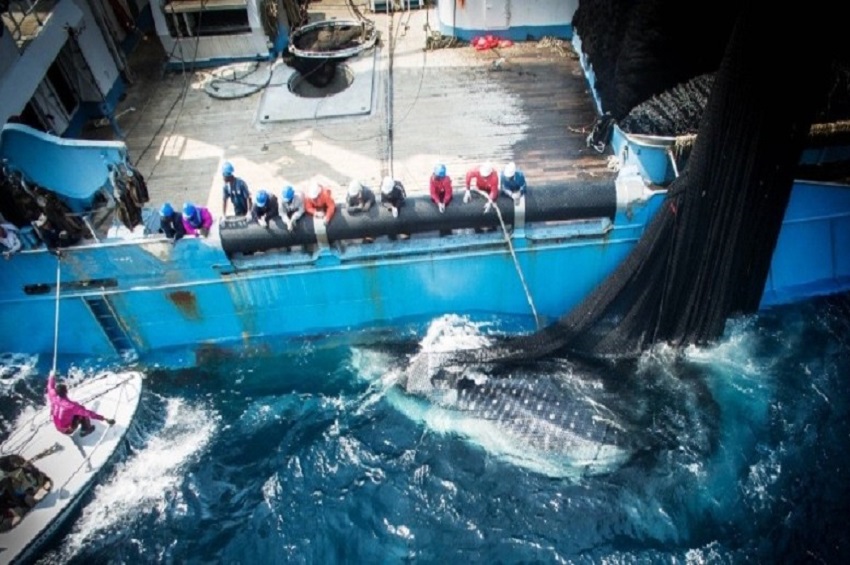
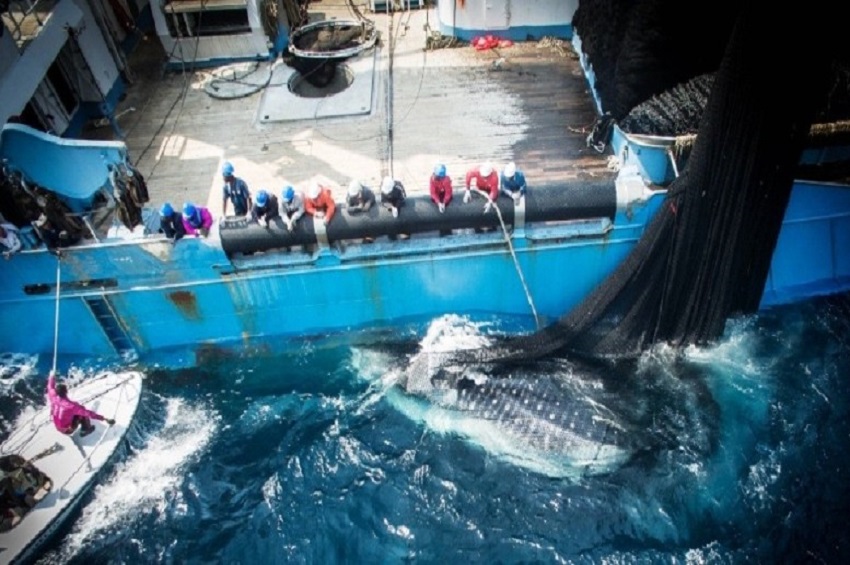
This imbalance is precisely what Gabon’s leadership has cited in its refusal to extend the current arrangement. Authorities argue that the annual €2.6 million compensation from Brussels fails to reflect the true value of the tens of thousands of tons of tuna extracted from Gabon’s rich waters in the Gulf of Guinea. More than a financial shortfall, Libreville highlights another critical imbalance: the costs of monitoring and securing the Exclusive Economic Zone far exceed the received compensation.
The critique deepens when examining industrial value chains. Fish caught in Gabonese waters is typically landed, processed, and commercialized abroad, leaving the country excluded from the economic benefits generated by its own resources.
The push for local value creation
At the heart of this strategic shift lies Gabon’s determination to transform its raw resource exports. Following the timber, mining, and hydrocarbon sectors, fisheries now emerges as a key battleground for economic diversification. The stated goal is to develop a fully integrated national tuna industry capable of creating jobs, attracting industrial investment, and boosting public revenue.
This approach aligns with recommendations from African institutions. The African Development Bank and other blue economy experts estimate the continent loses billions annually by exporting unprocessed marine resources. Gabon, with over 800 kilometers of coastline and one of the region’s largest maritime zones, possesses the potential to build a competitive fisheries sector.
A commitment to transparency and sustainability
Gabon’s decision transcends purely economic considerations. It reflects a broader commitment to strengthening transparency and sustainability in marine resource exploitation. Authorities point to the risks of overfishing due to insufficient control mechanisms—a concern echoed by environmental organizations monitoring tuna stocks across African fishing grounds.
By refusing to renew the agreement expiring June 28, 2026, Libreville is setting new standards. Future partnerships must incorporate stricter ecosystem protection, traceability requirements, and local value creation. This stance signals a shift in power dynamics between African resource-rich nations and their traditional partners, moving beyond the role of raw material suppliers to active participants in defining exploitation terms.
Gabon’s move could set a precedent beyond its borders, sending a clear message to investors and international partners: access to African natural resources must align with sovereignty, transparency, and local development imperatives. As the continent strives for greater economic autonomy and strategic integration, Libreville’s choice embodies a fundamental trend—one where Africa seeks not just to export its resources, but to control its economic destiny.