
Gabon’s Nkok industrial zone: a blueprint for African economic transformation
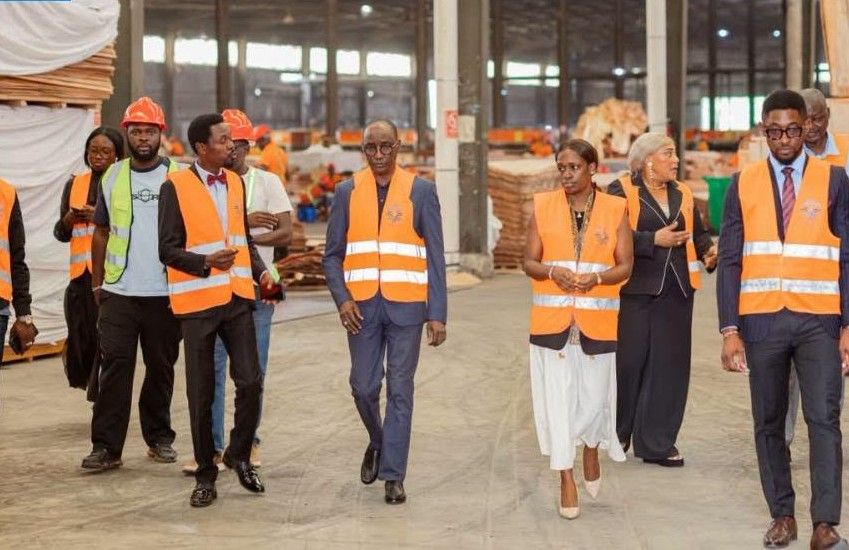
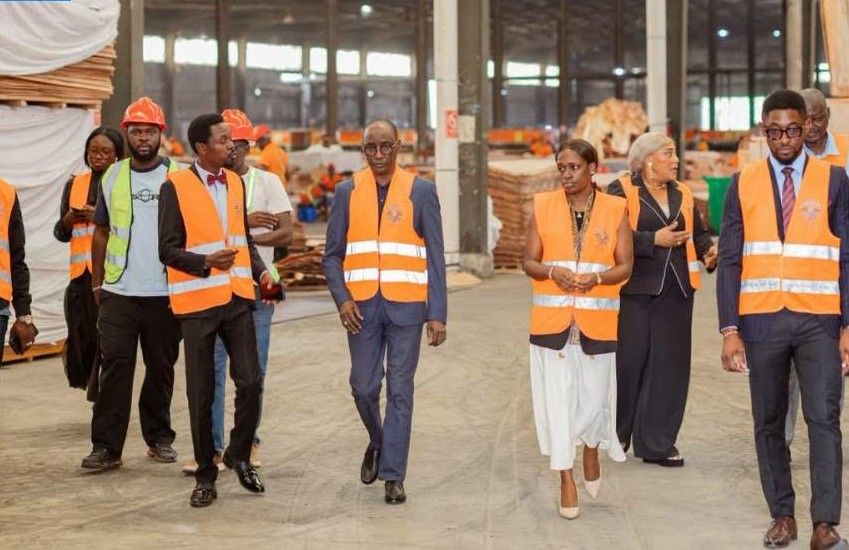
Immediately following the presentation of his credentials to President Brice Clotaire Oligui Nguema, the newly appointed Chadian Ambassador Extraordinary and Plenipotentiary to Gabon, Zakaria Fadoul Kittir Jr., prioritized a visit to one of the most prominent symbols of the nation’s economic shift.
The diplomat toured the Nkok Special Investment Zone (ZIS), a thriving industrial laboratory that has established itself as a continental benchmark for the local processing of natural resources.
This visit, occurring at the very beginning of his diplomatic tenure, goes beyond mere formality. It highlights the growing fascination other African nations have for the Gabonese model as they grapple with similar challenges regarding economic diversification and the creation of value-added products from their own raw materials.
Timber processing as an industrial showcase
A primary focus of the tour was the timber industry, a cornerstone of Gabon’s economic strategy. The Chadian representative explored the facilities of Chanta Group, a company specializing in the production of plywood and veneer sheets destined for both regional and global markets.
This first-hand look allowed the Chadian delegation to witness the tangible outcomes of a policy shift initiated years ago. Moving away from its history as a raw log exporter, Gabon has successfully implemented a framework for local transformation, ensuring a larger share of the wealth generated by its forests remains within the country.
The results at Nkok are undeniable. Numerous industrial units now process timber on-site, generating skilled employment, facilitating the transfer of expertise, and building an industrial base that meets rigorous international standards. Many observers now view this as one of the continent’s most successful examples of resource-based industrialization.
A gateway to economic diversification
The reach of the Nkok ZIS extends far beyond forestry. As an integrated industrial platform, it hosts a variety of enterprises involved in metallurgy, construction materials, agro-industry, and diverse manufacturing activities.
This concentration of diverse sectors makes the zone a vital strategic asset for Gabon’s diversification efforts. In an era of global market volatility, developing local industries is essential for decreasing reliance on raw commodity exports. The interest shown by the Chadian diplomat reflects a broader trend among African states seeking to strengthen their economic sovereignty through national value chains.
Nkok as a tool for regional influence
Beyond its industrial output, Nkok is becoming a powerful instrument for Gabon’s diplomatic and economic outreach. Every official visit reinforces its reputation as a showcase of national innovation and a magnet for international investors.
For Libreville, this international recognition validates a long-term strategy to transform the country into a regional industrial hub capable of attracting capital, technology, and strategic partnerships. The Chadian ambassador’s visit highlights a shift in African cooperation, where the focus is moving from raw resource exchange to the sharing of industrial models and value-creation strategies.
By capturing the attention of the continent’s leaders and investors, the Nkok Special Investment Zone has transcended its role as a local project. It is now a definitive African reference point for industrialization and sustainable development.