
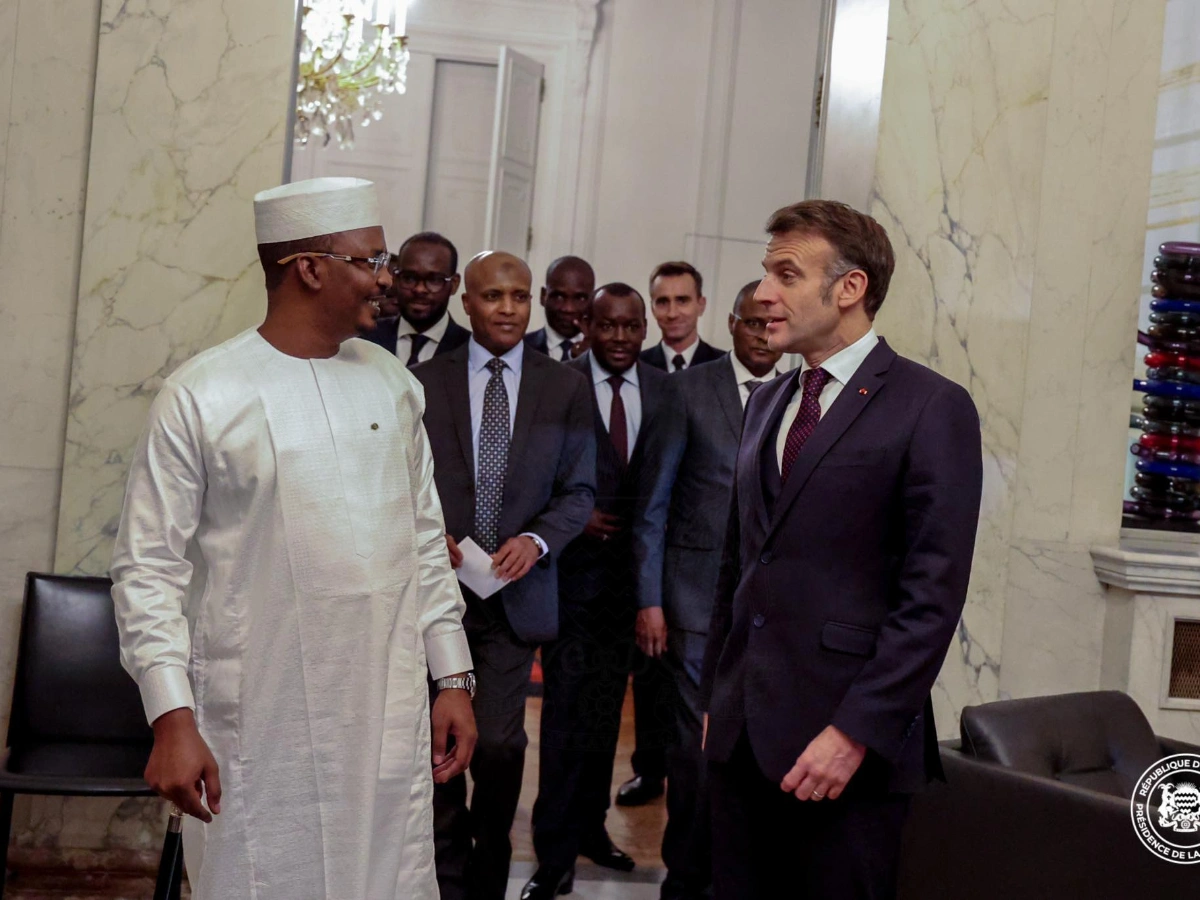
The arrival of several French military officers in N’Djamena since mid-April marks a significant turning point in the relationship between France and Chad. This quiet resumption of military cooperation occurs less than two years after a historic shift that appeared to end the permanent French military presence in the country.
While official statements suggest that there are no plans for a massive redeployment of permanent forces on Chadian soil, the mere restoration of intelligence sharing and tactical coordination raises fundamental questions. This shift directly impacts the public image of President Mahamat Idriss Déby Itno and the political narrative he has carefully constructed since taking office.
Clash with the sovereignty and pan-Africanist narrative
In the months following the initial departure of French troops, President Déby framed the move as a landmark victory for national sovereignty. He presented the transition as a recovery of strategic independence, aligning his administration with the growing pan-Africanist sentiment across the region. By championing a break from foreign dependencies, the government sought to foster more balanced international partnerships.
Consequently, returning to military ties with Paris, even in a restricted capacity, could be viewed as a retreat from these symbolic sovereign achievements. This is particularly sensitive given that the Chadian authorities previously justified ending military agreements by citing a lack of tangible results and intense domestic pressure for the withdrawal of foreign soldiers.
The impact on Chad’s regional standing
Over the past two years, Chad has worked to solidify its status as a major regional security power. By diversifying its international alliances and working closely with neighboring states, N’Djamena aimed to prove it could manage security threats independently. President Déby has often acted as a key mediator and a central figure in stabilizing the Sahel and Central Africa.
However, leaning back on French intelligence assets might undermine this perception. It risks creating the impression that Chad has been unable to truly decouple from its traditional partner, despite the rhetoric of strategic autonomy. Furthermore, the Chadian public, which largely celebrated the French withdrawal, may view any rapprochement with skepticism or open frustration.
A complex relationship with Paris
The paradox of this renewed partnership lies in the recent history of friction between the two nations. Over the last two years, France has been a source of significant pressure on the Déby administration. French judicial authorities have investigated allegations involving the President and his family regarding the misuse of public funds for luxury acquisitions, with these cases being revisited as recently as March 2026.
Moreover, France has provided a platform for the Chadian opposition. In October 2025, the city of Nantes hosted a major gathering of political and military opposition groups aiming to coordinate efforts against the current administration. Paris also played a visible role in the case of Succès Masra, facilitating his medical transfer to France and keeping his situation in the international spotlight.
Security needs versus political legitimacy
There is no denying that Chad faces mounting security threats, particularly in the Lake Chad region and along its northern and eastern borders. The central dilemma remains whether the tactical advantages of French cooperation are worth the potential erosion of President Déby’s political capital. Having built his legitimacy on the pillars of independence and the rejection of foreign influence, any visible return to the former status quo could provide his critics with ammunition to challenge his commitment to Chadian sovereignty.