
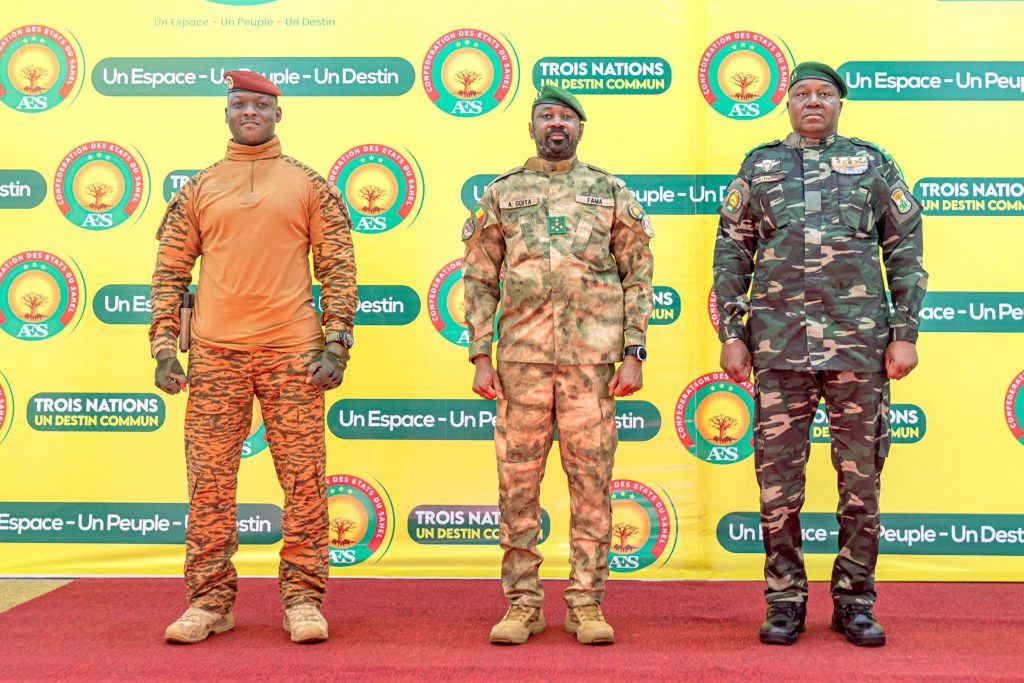
Recent weeks have seen a surge in diplomatic efforts across West Africa aimed at restoring dialogue between the countries of the Economic Community of West African States (ECOWAS) and the Alliance of Sahel States (AES), which includes Mali, Burkina Faso, and Niger. This shift is fueled by a pressing security crisis and shared economic interests, marking a return to a more realistic and pragmatic approach to regional relations.

To facilitate this urgent diplomacy, regional actors are navigating complex challenges. This includes setting aside the friction caused by the AES countries’ withdrawal from ECOWAS, moving past hostile communication campaigns, and managing the “cold war” atmosphere created by recent geopolitical shifts in the Sahel. The priority now is to prioritize common goals over historical grievances and political pride to address the shared vulnerabilities of the region.
Côte d’Ivoire advocates for collective defense
A significant signal of this diplomatic thaw came from Tene Birahima Ouattara, the Ivorian Defense Minister. On June 15, he expressed a sincere readiness to resume security cooperation with Mali and Burkina Faso. He emphasized that no single state can defeat the current terrorist threat alone, advocating for a vital pooling of resources and intelligence. This call comes as regional leaders warn that the security crisis in the Sahel could soon become unsustainable for the entire West African bloc if collective action is not taken.
The response from Bamako and Ouagadougou remains uncertain. While AES leaders acknowledge that leaving ECOWAS does not prevent bilateral ties, shifting their stance toward Côte d’Ivoire is complicated. Abidjan has frequently been a target of rhetoric accusing it of hosting hostile elements, despite a lack of evidence. Nevertheless, Côte d’Ivoire maintains quiet channels of communication and continues to host thousands of refugees from its northern neighbors, proving that functional ties persist beneath the political surface.
Bénin and Niger: Breaking the deadlock
Bénin has also faced similar accusations, but the inauguration of President Romuald Wadagni on May 24 has opened a window for reconciliation. Specifically, the relationship with Niger is seeing a transformation. After a period where dialogue seemed impossible following the July 2023 coup in Niamey, the change in leadership in Cotonou has helped de-escalate what had become a personal standoff between the two administrations.
This reconciliation gained momentum during an expert-level meeting in Cotonou on June 20 and 21. Discussions focused on a new cooperation framework covering defense, security, and the essential reopening of the border to revive trade. While Niger continues to express concerns regarding the alleged presence of foreign military elements in Bénin, the dialogue itself represents a major step forward. Both nations recognize that choosing cooperation over confrontation creates tangible value for their economies and improves safety for their citizens.
Seeking regional solutions to shared threats
The movement toward normalizing relations is expected to intensify in the coming months. These initiatives highlight the necessity of locally-driven responses to the security equation, echoing calls from the UN Secretary-General Antonio Guterres for renewed regional dialogue. Even Russia, a key partner for AES nations, has signaled support for a pragmatic dialogue between ECOWAS and the Sahel alliance to address the common threat of regional terrorism.
Currently, bilateral protocols are being established between the AES and countries like Ghana, Guinée, Togo, and Sénégal. It is noteworthy that despite their exit from ECOWAS, the Sahel states remain members of the West African Economic and Monetary Union (UEMOA), and their citizens still benefit from free movement. This suggests that the rupture, while politically significant, remains an unfinished process rooted in the dispute over the return to constitutional order.