
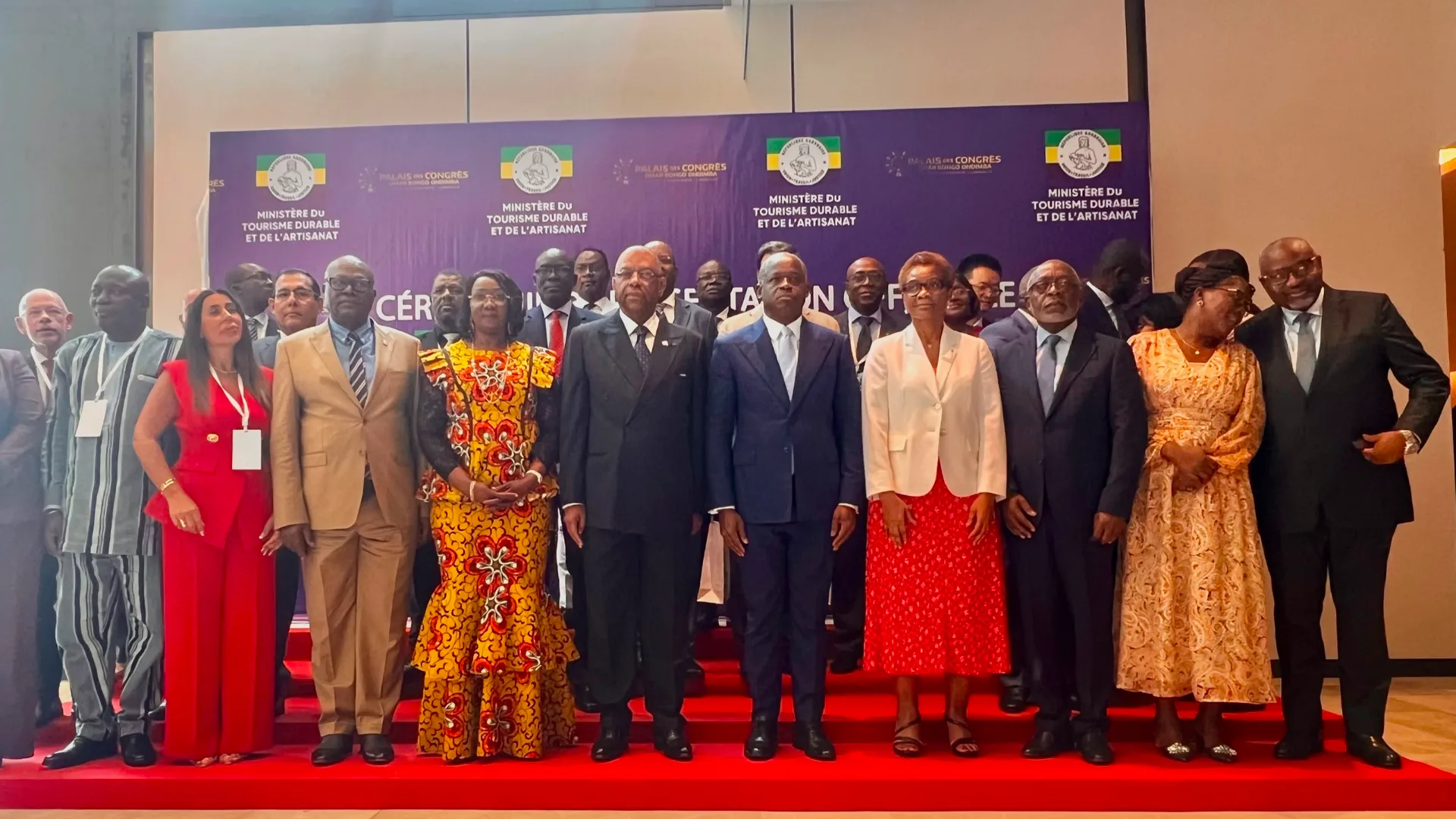
In a decisive move to reshape its economic future, the government introduced its new National Strategy for the Enhancement of Sustainable Tourism and Crafts on June 29, 2026, in Libreville. The objective is transparent: diversify the national economy to prepare for the post-oil era by transforming Gabon into a premier global destination.
On paper, Gabon possesses every asset required to dominate the African ecotourism market. With equatorial forests blanketing 88% of the country, 800 kilometers of untouched coastline, and a network of 13 national parks, the raw potential is staggering.
From the wild coastlines of Loango to the majestic vistas of Ivindo, the opportunities to attract international travelers searching for pristine nature are endless. Furthermore, Gabon’s reputation as an environmental pioneer—underpinned by its green and blue bonds—provides the necessary credibility to secure international funding.
Facing the reality: persistent structural obstacles
Converting this natural wealth into a structured, profitable industry requires overcoming significant barriers. The first is infrastructure: reaching major tourist hubs like Lambaréné, Mayumba, or La Lopé is frequently an arduous journey. The current state of the domestic road network remains the primary obstacle to sectoral growth.
The second challenge is financial. Between the high price of international flights, complex internal logistics, and a lack of affordable domestic transport, Gabon remains a costly destination, restricted to a very exclusive niche market.
The third hurdle is human capital. High-end tourism demands international standards in hospitality, hotel management, and the promotion of local crafts. This necessitates a massive and sustained commitment to professional training—a task that requires more than just a decree.
From planning to implementation: the ultimate test
Gabon undeniably has the natural resources to match its high ambitions. Now, it must urgently establish the logistical and human foundations to make these goals attainable. To ensure this new vision does not fade away like previous plans, the State must prioritize concrete action over mere communication.
Success will depend on creating attractive public-private partnerships capable of financing roads and accommodations while organizing local expertise. If implementation finally aligns with the strategy, ecotourism could truly become the economic engine of the post-petroleum era.