
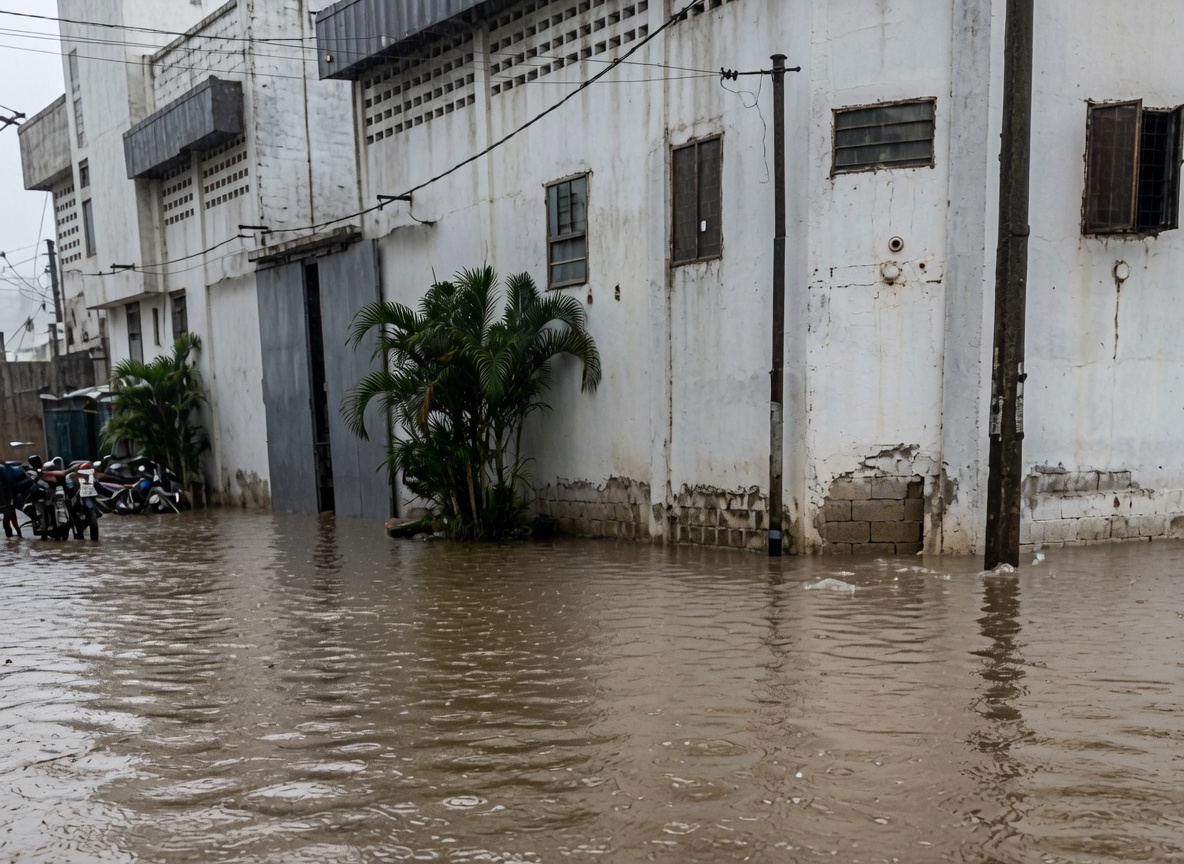
The return of the rainy season in Togo consistently highlights a recurring cycle of hardship for its citizens. Flooded thoroughfares, submerged residential areas, and homes invaded by rising waters have become a predictable yet devastating reality. For many Togolese families, these events are no longer viewed as exceptional disasters but as an unavoidable consequence of systemic neglect.
A climate of socio-political stagnation
After more than six decades of governance under the Gnassingbé family, a significant portion of the population is expressing an urgent need for a new political direction. Despite years of official promises, the fundamental challenges of daily life remain unresolved. High unemployment rates, a surging cost of living, and deep-seated poverty continue to stifle the aspirations of the populace, particularly the youth who face increasingly limited prospects.
The onset of heavy rains serves as a catalyst for renewed criticism regarding the nation’s infrastructure. In numerous districts, drainage systems are either non-existent or woefully inadequate. Roads quickly become impassable, leading to substantial property damage and economic disruption. This situation has led to widespread condemnation of the lack of sustainable investment in public utilities designed to mitigate these perennial risks.
Demands for equitable resource management
Within this environment of frustration, voices from civil society and political opposition groups are becoming more vocal. They contend that the current administration prioritizes the interests of a narrow elite connected to the ruling power, while the broader population grapples with worsening economic conditions. There is a growing consensus that public funds must be redirected toward improving living standards, developing resilient infrastructure, and fostering job creation to protect the most vulnerable citizens.
Observers suggest that this latest rainy season will likely offer no respite. Instead, it is expected to further expose the deficiencies in urban planning and risk prevention policies. In the absence of profound structural reforms and strategic investments, the burden of these environmental and economic failures will continue to fall disproportionately on the most modest households.
As these multifaceted difficulties accumulate, a rising tide of public opinion suggests that Togo requires a fundamental renewal of its governance. Such a shift is seen as essential to effectively addressing the social, economic, and environmental expectations of a population seeking tangible change.