
global health crisis: nurses demand urgent payment amid ebola outbreak in DRC
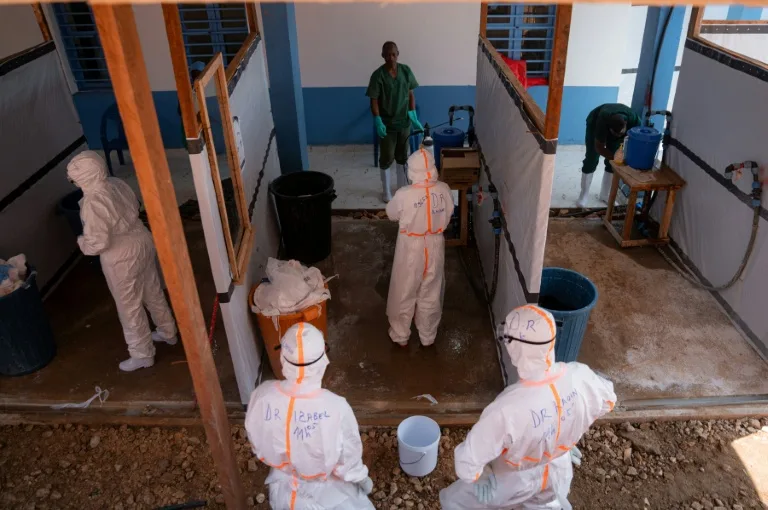
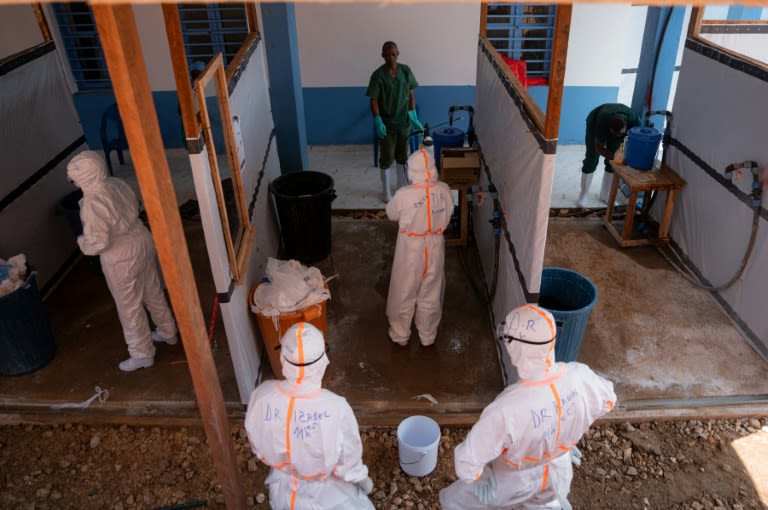
The International Council of Nurses (ICN), the world’s largest nursing organization, has urgently appealed to Congolese authorities to compensate and safeguard healthcare professionals leading the fight against Ebola in the Democratic Republic of the Congo.
The DRC declared its 17th Ebola outbreak on May 15. Three months later, the response remains severely hampered by the country’s chronically underfunded health infrastructure, struggling to gain ground against the virus.
“Without fair wages for those on the frontlines, containing Ebola is impossible,” stressed Howard Catton, ICN’s Chief Executive Officer. The federation represents over 140 national associations and more than 30 million nurses worldwide.
“Nurses and healthcare workers risk their lives daily to protect communities, often at great personal cost. Yet months into this crisis, many have still not received their salaries,” he added.
The ICN, founded in 1899 and headquartered in Geneva, formally wrote to Roger Kamba, the DRC’s Minister of Health, demanding immediate action to address unpaid wages and ensure the safety of nurses and other health personnel engaged in the outbreak response.
According to the ICN, frontline nurses and health workers report salary delays ranging from two to three months.
“This demands urgent political leadership and direct intervention,” Catton emphasized. “Our demands are clear: pay health workers what they are owed, ensure regular payments moving forward, and provide the protective measures essential for them to carry out their duties safely.”
Beyond immediate wage disbursements, the ICN is calling for consistent future payments, adequate personal protective equipment (PPE), insurance coverage, hazard allowances, and other critical safeguards.
The DRC’s deadliest Ebola outbreak claimed nearly 2,300 lives out of 3,500 confirmed cases between 2018 and 2020. The current epidemic has already resulted in over 2,128 deaths from 4,566 confirmed cases within just three months of its declaration, according to the latest official figures.
“It is already the second-largest Ebola outbreak on record and spreading faster than any previous epidemic,” warned World Health Organization Director-General Tedros Adhanom Ghebreyesus. “At the current pace, it could surpass the West Africa outbreak of 2014–2016.”
Three months into the response, the DRC has reported seven times more cases and five times more deaths than during the same period in the deadliest Ebola outbreak in history, which struck West Africa, according to the Africa Centres for Disease Control and Prevention.
Of the $518 million required for the joint preparedness and response plan launched in early June by the Africa CDC and WHO, only $264 million has been mobilized to date, Tedros noted this week.
No vaccine or specific treatment is yet available for the Bundibugyo ebolavirus strain driving this outbreak.
In the absence of a targeted vaccine, the WHO is urging the rapid initiation of a clinical trial using the Ervebo vaccine, which is approved for the Zaire strain of the virus.
“We are finalizing the protocol for submission to DRC regulatory authorities for review,” said Vasee Moorthy, WHO’s Head of Research & Development, on Wednesday.