
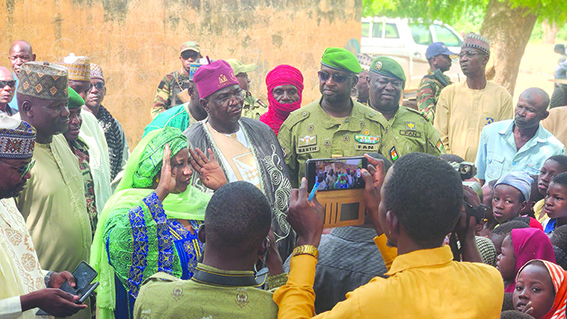
Across Niger, communities face persistent security challenges that threaten both daily life and long-term stability. In response, a growing movement is emerging—one built on inclusive dialogue, local leadership, and collective action. This grassroots effort brings together citizens, religious figures, security experts, and officials to forge a shared path toward peace and resilience.
In late June, Niamey hosted a landmark event: the first national forum of the Sahel Peace Initiative (SPI). Held over two days, the gathering served as a platform for residents from high-risk areas, faith leaders, security analysts, and development practitioners to exchange perspectives on restoring stability. Their shared goal? To strengthen social cohesion and counter violent extremism through collaboration and mutual understanding.
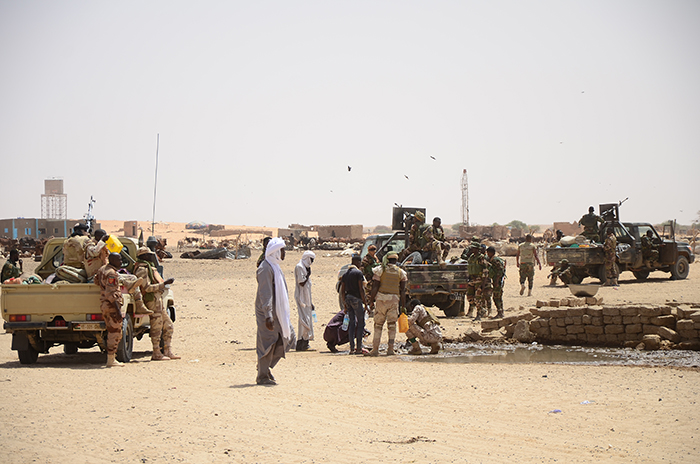
Voices from the frontlines: hope amid hardship
Life under threat
In towns like Tera, Makolondi, and Torodi, security remains fragile. While government forces maintain regular patrols, the absence of such presence leaves communities vulnerable to violence, displacement, and economic paralysis. Residents describe a daily reality marked by roadblocks, extortion, and the looming threat of forced recruitment into armed groups. For young people especially, the lack of economic opportunity and safety has pushed many toward migration or desperation.
Seydou Hamidou, a youth leader from the rural commune of Makalondi in Torodi department, shared his community’s struggles during the Niamey forum. “Without security, our young people face forced recruitment, school dropout, and unemployment,” he said. “Bandits steal our livestock, block our fields, and impose illegal taxes. Many leave the country just to survive.” Hamidou added that attempts to join the national army are met with threats not only against the applicants but also their families, leaving few options for meaningful participation in defense efforts.
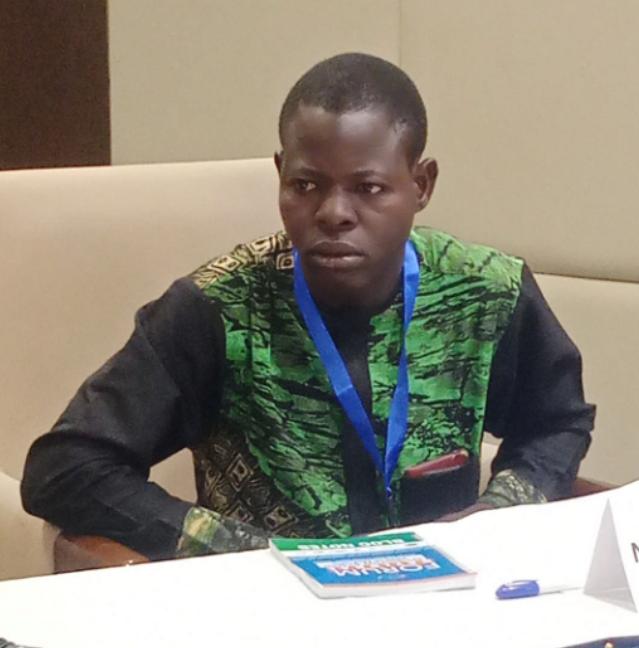
Victor Harouna, a resident of Téra, highlighted the economic toll of insecurity. “Transportation costs have tripled or even quadrupled. What used to cost 3,000 CFA francs now costs 10,000 to 15,000. Crops are burned or stolen. Many displaced families have returned thanks to military efforts, but daily life remains difficult.”
Women bear a disproportionate burden. Amina, a community leader from Torodi, spoke of the erosion of economic independence. “Women used to run small businesses and care for their families. Now, many have lost husbands to violence, children are out of school, and displacement has left them without livelihoods. We beg for stronger military presence to restore safety.”
State efforts: restoring security and rebuilding trust
The Prefect of Torodi, Captain Boureima Dobi, outlined ongoing state initiatives to support displaced populations. “Over 800 people have returned to their homes in Makalondi thanks to security operations,” he said. “A second wave of returns is being prepared. The government continues to provide food and essential supplies, and we are working closely with defense forces to ensure no family is left behind.”
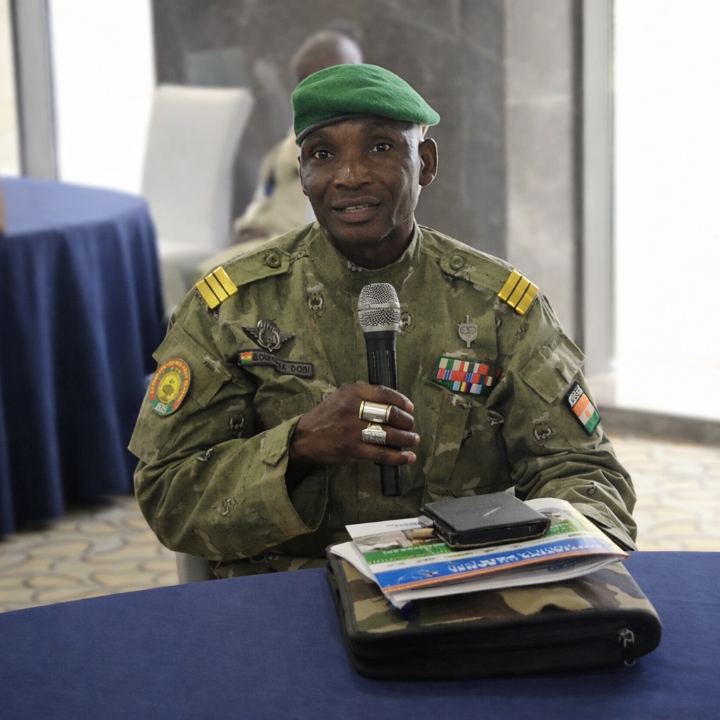
Dobi emphasized the need for collective vigilance. “Most attacks rely on local complicity. That makes identifying the enemy harder. But progress is being made—four individuals recently surrendered weapons and rejoined society. We are intensifying awareness campaigns to foster patriotism and responsibility among citizens.”
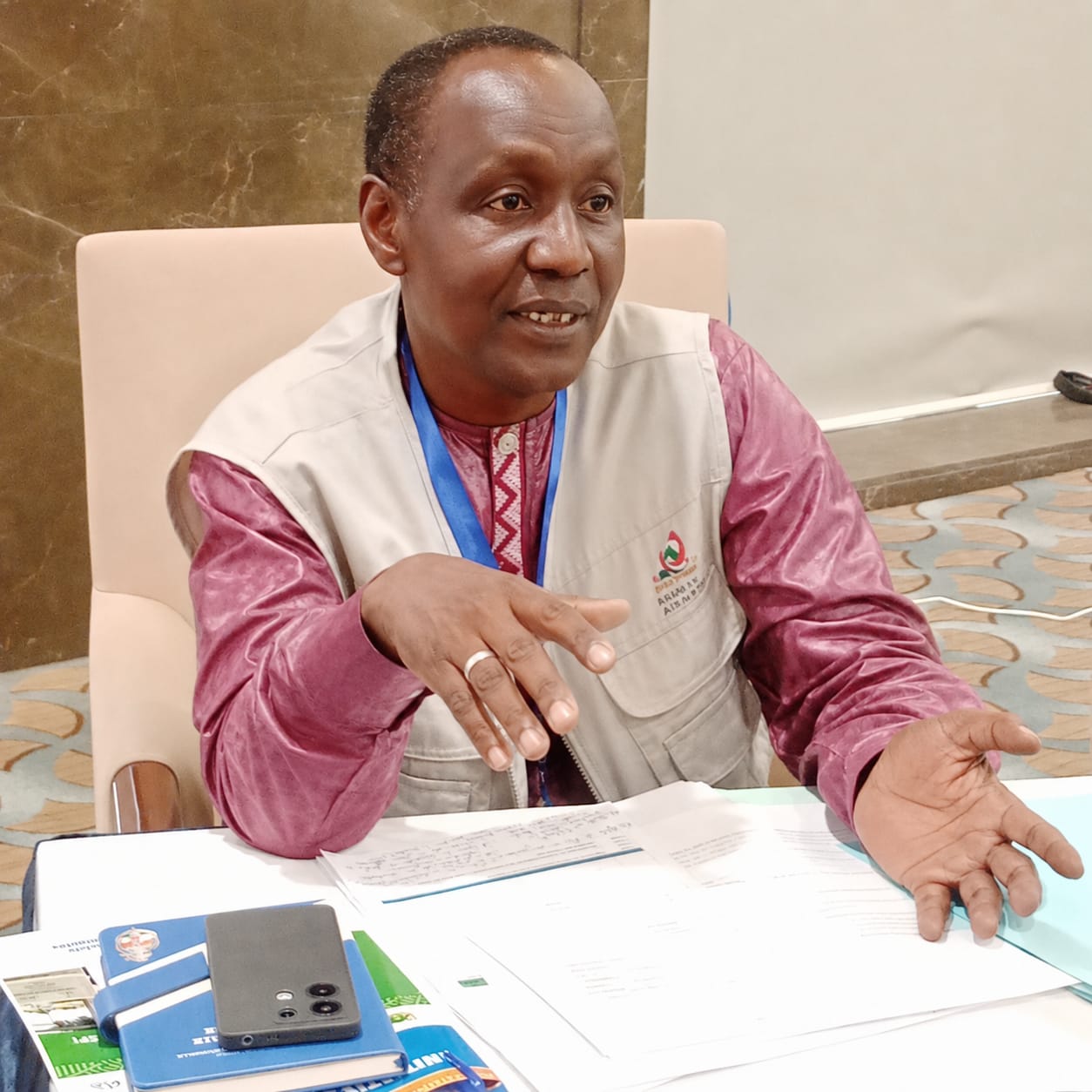
Since the establishment of the CNSP, Niger has prioritized national peace and cohesion through homegrown values. The High Authority for Peace Consolidation (HACP), under the Presidency, leads efforts to strengthen resilience, prevent conflict, and promote dialogue. Boubacar Hamidou, Director of Recovery and Stabilization at HACP, explained: “We focus on empowering local leaders—youth, women, and community elders—through conflict prevention training, mediation, and joint development projects with local councils.”
The Sahel Peace Initiative: a regional alliance for local change
The Sahel Peace Initiative (SPI), launched in 2019 by West African Episcopal Conferences and partners such as the CJP Burkina, is a regional network dedicated to peace, interfaith dialogue, and community resilience. It operates in Niger, Mali, and Burkina Faso, uniting Christian and Muslim communities to address the root causes of insecurity through dialogue and shared values.
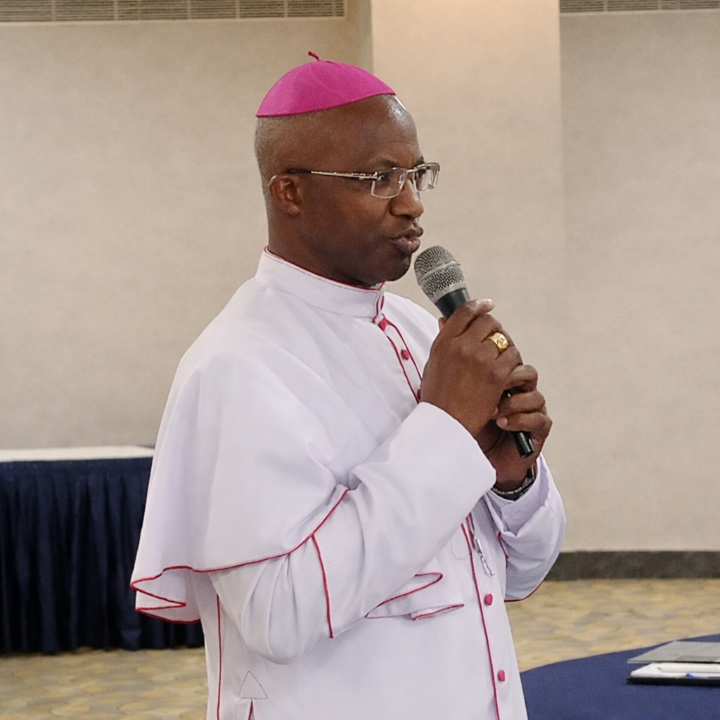
During the Niamey forum, Archbishop Laurent Lompo of Niamey urged continued dialogue: “We must foster peace through regular community and intergenerational meetings that unite men, women, and youth to discuss security and coexistence.” The SPI’s work spans capacity building for peace actors, youth employment, peace education, social inclusion, digital innovation, community resilience, and the mobilization of national peace efforts.
Faith leaders as peacebuilders
Religious leaders play a vital role in countering violent extremism and fostering social harmony. The National Committee for Intra- and Interreligious Dialogue (CDIR) was created to promote peaceful coexistence and prevent hate speech that fuels communal tensions. Cheikh Barham Aboubacar, CDIR’s national coordinator, emphasized the committee’s role: “We work to resolve land and intercommunity conflicts rooted in religious misunderstanding. Dialogue clarifies misunderstandings, reduces tensions, and prevents discrimination.”
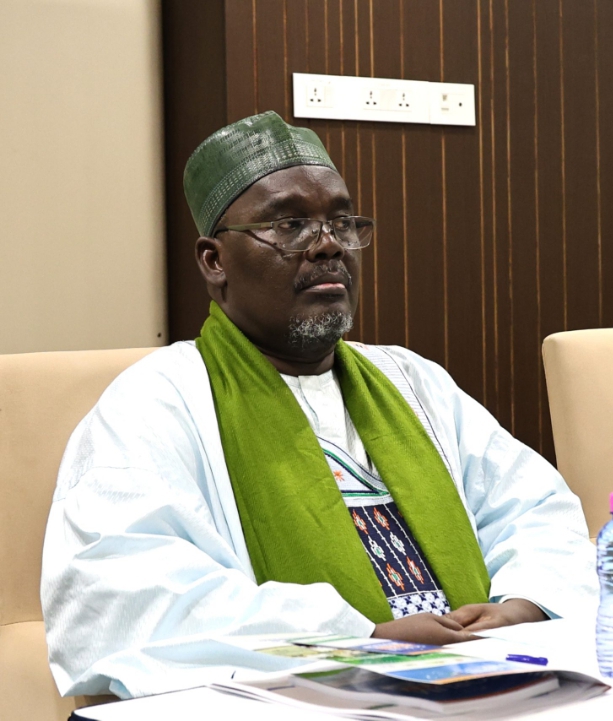
The CDIR has established decentralized peace committees, local cells, and municipal groups across Niger. By addressing disputes with historical and cultural sensitivity, it has resolved numerous conflicts rooted in religious or ethnic divisions. “True peace begins with dialogue,” Aboubacar said. “We must engage communities to understand each other and prevent violence before it starts.”
Media as a force for cohesion
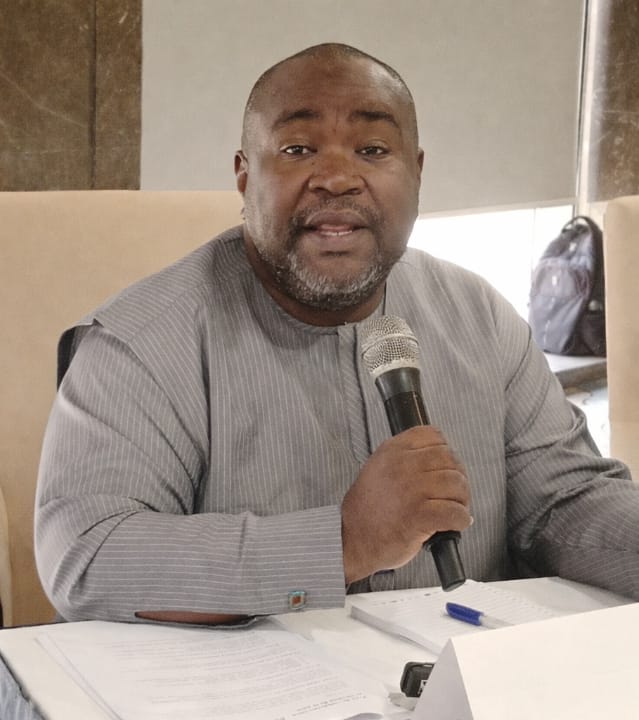
In an era of misinformation and propaganda, responsible journalism is essential to countering hate speech and fostering unity. Community radio stations, in particular, serve as lifelines for local populations, offering education, conflict sensitivity, and platforms for civic expression. Alhassane Mahamane, editor-in-chief at Studio Kalangou, noted: “Community media are not just outlets—they are engines of development. Their programs reflect local priorities and give voice to the voiceless.”
Women leading the way
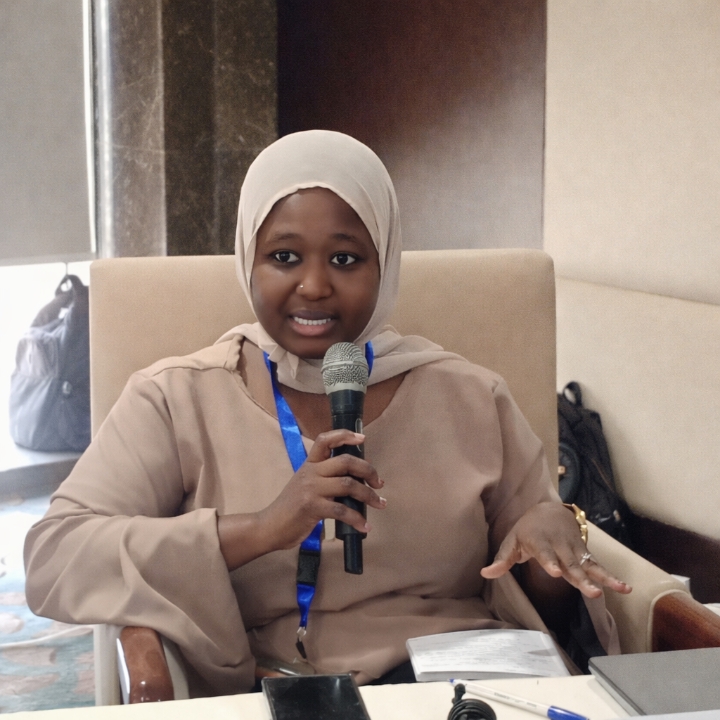
Women are not just victims of conflict—they are catalysts for peace. Amina Boukary, coordinator of the NGO Femmes, Actions et Développement (FAD), stressed the importance of women’s inclusion: “Women make up half the population. Their voices must be heard in peace processes, local governance, and decision-making.” FAD supports women-led cooperatives, girls’ education, and leadership training to strengthen social cohesion and economic resilience.
“We need sustained support to build women’s capacities,” Boukary said. “Only then can they contribute fully to peace and development in their communities.”
Together, these efforts—government action, faith-based initiatives, media engagement, and women’s leadership—paint a picture of resilience in Niger. While challenges persist, the commitment to dialogue, inclusion, and collective action offers a clear path forward. Peace is not a distant dream; it is being built, one community at a time.