
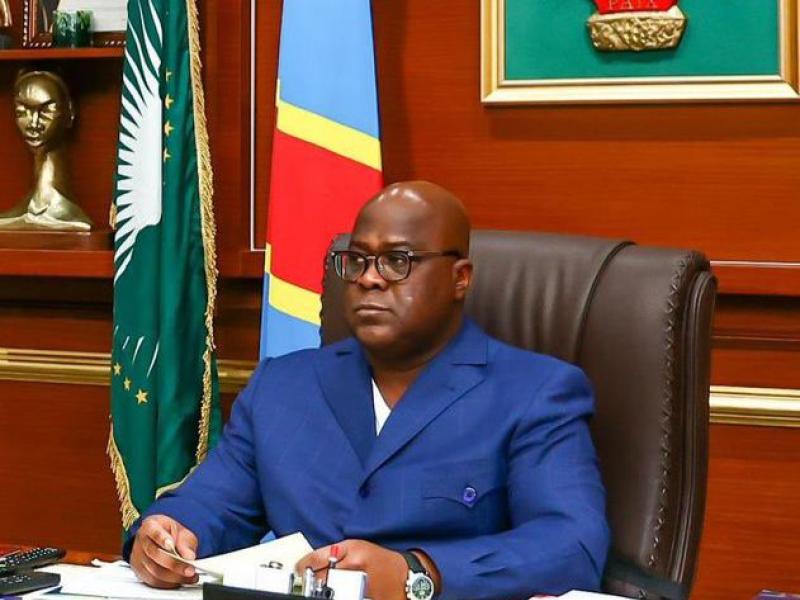
Félix Tshisekedi cancels New York trip amid domestic priorities
The President of the Democratic Republic of the Congo, Félix Tshisekedi, has decided not to travel to New York as previously planned for the United Nations Security Council high-level debate on natural resource governance. The event was set for July 22, 2026.
Key details of the decision
The Congolese presidency had been preparing for this international engagement, which would have marked the culmination of the DRC’s Security Council presidency for July 2026. The debate, scheduled under the theme “Natural resource governance as the foundation for peace, security, and prosperity”, was expected to bring together global leaders to discuss critical issues affecting mineral-rich nations.
According to insiders, the sudden change in plans stems from urgent domestic considerations that require the President’s heightened attention in Kinshasa. While the exact nature of these concerns remains unspecified, observers note that maintaining stability within the country takes precedence over international diplomatic engagements at this juncture.
A pivotal moment in DRC’s Security Council presidency
The July 13 Arria-formula meeting in New York, chaired by Minister of State for Foreign Affairs Thérèse Kayikwamba Wagner, had already set the stage for this high-level discussion. That session reportedly laid the groundwork for addressing the complex interplay between resource extraction, conflict resolution, and sustainable development in regions like the DRC’s mineral-rich provinces.
Implications for regional and international relations
Tshisekedi’s absence from the New York event raises questions about the DRC’s diplomatic priorities moving forward. The decision underscores the delicate balance between international commitments and pressing national challenges that characterize governance in the world’s largest cobalt producer and a key player in the global minerals market.
The government has yet to release an official statement regarding the cancellation, leaving analysts to speculate about the underlying factors. Some suggest that internal security dynamics may be influencing this strategic shift, while others point to political considerations that necessitate the President’s presence in the capital.
As the situation develops, stakeholders in both domestic and international spheres will be closely monitoring the DRC’s next moves in navigating these complex challenges.