
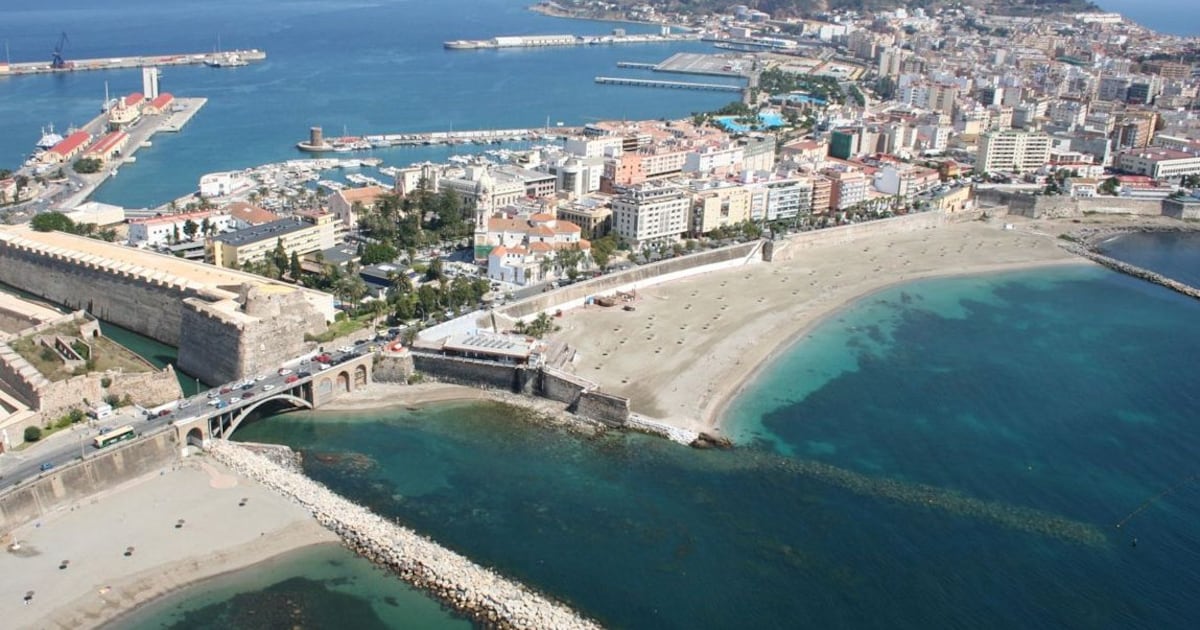
Security collaboration between Morocco and Spain has played a pivotal role in shielding the Spanish enclave of Sebta (Ceuta) from terrorist threats. Recent intelligence findings underscore how Moroccan security services have repeatedly thwarted planned attacks by dismantling intricate networks linking illicit financing to extremist activities. This cooperation has proven critical in preventing potential bloodshed in a city that has become a recurring target for jihadist-affiliated groups.
Strategic location makes Sebta a high-risk target
Sebta’s geographical position as a gateway from North Africa to Europe has long made it a strategically sensitive area for European security forces. The enclave’s prominence in international terrorism networks stems from its accessibility and role as a transit point, attracting the attention of extremist factions seeking to expand their operations into the continent. Just last week, a series of coordinated raids in the heart of Sebta led to the detention of several individuals with suspected ties to international jihadist organizations.
Digital terrorism: a growing challenge
The latest counterterrorism operations in Sebta have exposed a more insidious threat—digital terrorism. Unlike traditional cell-based structures, this form of extremism relies on online platforms for recruitment, propaganda, financing, and cross-border coordination. Moroccan and Spanish security services have had to adapt to this evolving landscape, employing advanced cyber-monitoring techniques to identify and dismantle these virtual networks before they can inflict harm.
Numbers reveal the scale of the threat
Between 2012 and mid-2026, Spanish authorities conducted 458 counterterrorism operations nationwide, resulting in 816 arrests linked to jihadist activities. Sebta, despite its small size, accounted for 19 of these operations, leading to 40 detentions. The first half of 2026 alone saw 37 operations in Spain, with 68 individuals arrested—highlighting the relentless pace of counterterrorism efforts. These successes are largely attributed to the seamless collaboration between Moroccan and Spanish security forces, who maintain constant vigilance over known extremist networks.
For years, Morocco has served as a linchpin in the fight against terrorism in the region, offering not only intelligence-sharing but also operational support in tracking financial flows that fuel extremist groups. This partnership has been instrumental in neutralizing threats before they materialize, ensuring Sebta remains a safe haven for its residents and a secure transit point for legitimate trade and travel.