
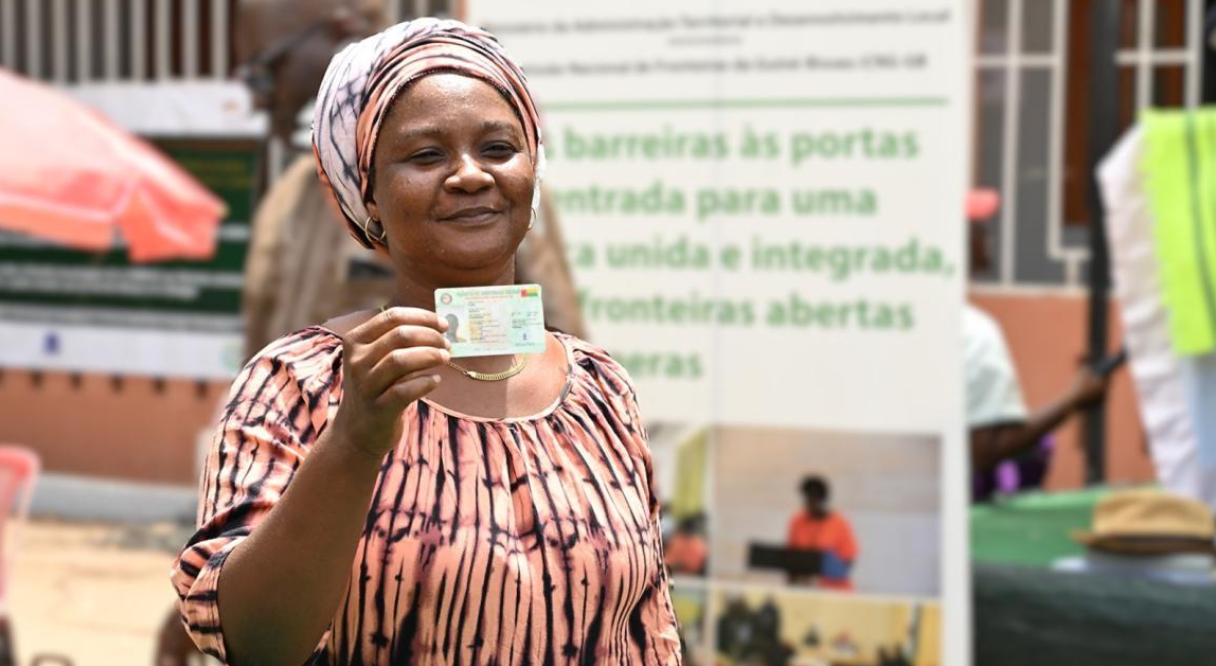
Why the 2027 ECOWAS biometric card could be a game-changer for travelers
Starting January 1, 2027, travelers in West Africa may no longer need multiple documents to cross borders. The Community Identification Biometric Card (ENBIC), issued by ECOWAS member states, will become an official travel document across the region. But will this promise of seamless movement become a reality?
The Freetown Declaration: a historic step toward regional integration
During the 10th annual meeting of immigration chiefs from ECOWAS member states held in Freetown, Sierra Leone, on November 3-4, 2026, a landmark agreement was reached. The “Freetown Declaration” officially recognized the ENBIC as a valid travel document for all 15 ECOWAS countries beginning in 2027. This decision marks a significant step in turning the free movement protocol into practice.
El Hadji Cheikh Drame, Senegal’s representative and chair of the meeting, emphasized that this initiative reflects the collective commitment of West African nations to deeper regional integration. He noted that enhanced border security and free movement are not opposing goals but complementary objectives.
From promises to action: what changes from January 1, 2027?
Under the new rules, any valid ENBIC issued by a member state will serve as sufficient proof of identity and citizenship for border crossings, even if the issuing country has not yet fully implemented its national biometric system. This provision aims to create a uniform system across the region, encouraging all member states to accelerate their implementation efforts.
The decision represents the culmination of years of planning. The ENBIC was first conceived in 2014 to replace the older handwritten travel certificates, but its rollout faced significant delays. The 2027 deadline signals a renewed push to make this regional identity system operational.
Key benefits expected
- Simplified travel procedures for citizens across 15 countries
- Reduced costs and waiting times at border crossings
- Enhanced regional trade and economic integration
- Stronger security through standardized biometric verification
Challenges ahead: can implementation keep pace with ambition?
While the political agreement is now in place, its success hinges on effective implementation. National immigration services must harmonize procedures, train border agents, and deploy the technical infrastructure needed to authenticate ENBIC cards issued by other countries. The ECOWAS Commission is responsible for establishing uniform technical standards and a regional verification system. Member states are required to submit detailed national deployment plans by December 2030.
The risk remains that some countries may impose additional requirements or fees, undermining the reform’s goals. Ensuring consistent enforcement across all borders will be critical to avoiding confusion or resistance from travelers and officials.
Who stands to gain most from the 2027 ENBIC rollout?
The reform is expected to have far-reaching effects beyond travel. It could boost cross-border trade, facilitate vocational movement, and strengthen family and social ties. Small business owners, transport operators, and communities living near borders are likely to feel the benefits most directly.
The Freetown Declaration may be a milestone, but its true value will be measured by how well it improves daily life for millions of West Africans. The coming months will reveal whether the region’s governments can deliver on this promise of easier movement and greater integration.
What travelers need to know before 2027
Individuals planning to travel within ECOWAS in 2027 should prepare for changes. While the ENBIC will simplify border crossings, travelers must ensure their card is valid and up to date. Some countries may continue to require supporting documents until the system is fully operational. Keeping informed about national guidelines will be essential to avoid unexpected delays or complications at checkpoints.
The ECOWAS biometric card could redefine travel in West Africa—but only if governments meet the challenge of turning policy into everyday reality.