
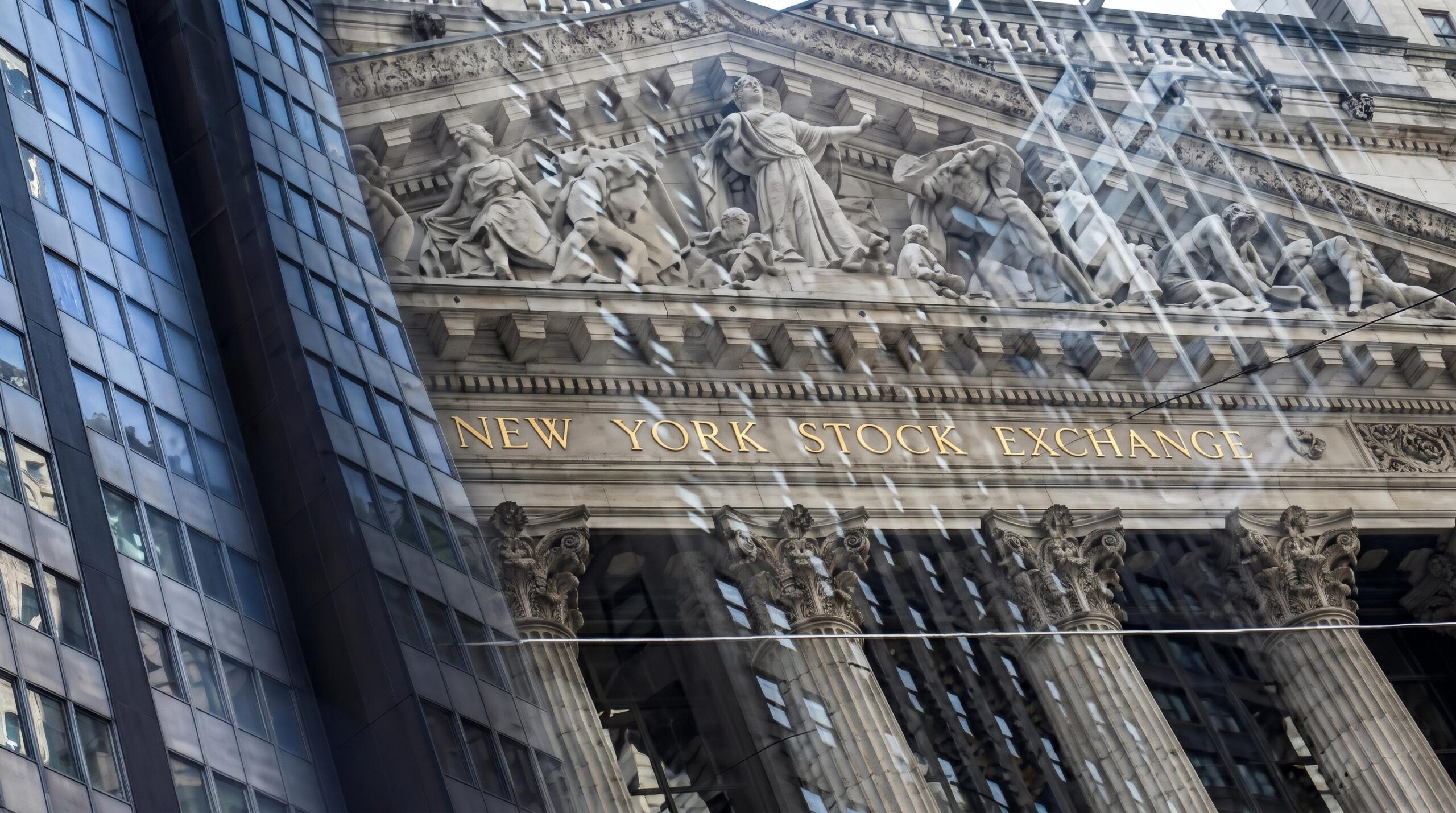
NEW YORK — Wall Street just experienced one of the most violent sell-offs in nearly two years, with the Nasdaq Composite leading the rout and erasing over $2.5 trillion in market value from tech and semiconductor stocks in a single session.
AI giants hit hardest as investors flee the sector
The pillars of artificial intelligence—once the darlings of growth investors—faced a brutal reckoning. Nvidia, the undisputed leader in AI chips, saw its stock plummet by over 9%, vaporizing tens of billions in market capitalization. The company, which had become synonymous with the AI boom, now faces scrutiny over whether its lofty valuations can be sustained amid slowing ROI expectations.
Others in the AI ecosystem didn’t fare any better:
- AMD collapsed by 17%, dragged down by profit-taking and concerns about AI chip demand sustainability.
- Broadcom, heavily exposed to AI infrastructure, lost over 12% in a single day.
- Chipmakers tied to data center supply chains—Micron Technology (-17%), Western Digital (-13%), and SanDisk (-22%)—were among the hardest hit, signaling a massive investor exodus from the sector.
The Philadelphia Semiconductor Index (SOX) nosedived by 12%, wiping out months of gains and reinforcing fears that the AI-driven rally may be losing steam.
Wall Street’s domino effect: broader markets tumble
The tech-led meltdown sent shockwaves across the entire market landscape. Major indices posted steep losses:
- Nasdaq Composite: Shed over 3.8%, led by mega-cap tech stocks.
- S&P 500: Dropped 3.1%, marking its worst single-day performance of 2024.
- Dow Jones Industrial Average: Fell 2.9%, dragged down by industrials and tech-heavy components.
- VIX Index: The so-called “fear gauge” skyrocketed by 33%, breaching 60—a level not seen since market turbulence peaks.
Three triggers behind the panic
What sparked this historic sell-off? Three converging forces created a perfect storm:
The AI ROI dilemma: Are the investments paying off?
Investors are growing increasingly skeptical about the long-term returns on AI infrastructure spending. Hundreds of billions have poured into AI servers, data centers, and energy infrastructure, but concrete financial returns have yet to materialize at the pace valuations suggest. This mismatch between expectations and reality triggered a wave of profit-taking and repositioning.
Regulatory headwinds: Cracks in the data center boom
Uncertainty over U.S. energy policies and regulatory scrutiny around data center construction—particularly around power consumption and grid capacity—has cast doubt on future demand for semiconductors. Political shifts and potential new restrictions could slow the breakneck expansion of AI infrastructure, forcing a reassessment of growth projections.
Automated sell-offs: When algorithms turn against the market
After months of relentless gains, trading algorithms and hedge funds hit critical technical levels, triggering automatic sell orders. The cascade of liquidations, particularly as key moving averages were breached, turned a natural correction into an outright market rout.
Global contagion: Asian markets brace for impact
Wall Street’s collapse didn’t stay confined to U.S. shores. Asian markets reacted swiftly and harshly:
- Nikkei 225 (Tokyo): Dropped 6%, hit by tech and semiconductor exposure.
- Kospi (Seoul): Plunged over 8%, with Samsung and SK Hynix leading the decline.
Analysts are divided: Is this a healthy correction, purging frothy valuations from the AI sector? Or the first domino in a deeper tech unraveling? With no immediate policy response in sight, investors are left wondering what comes next.