
Why governments worldwide are quietly urging families to prepare for worst-case scenarios
Global tensions are no longer distant headlines. They’re reshaping how nations protect their citizens—and how families must rethink self-reliance. From cyber threats to regional conflicts, the question isn’t whether a crisis will hit, but when—and how prepared your household will be.
The shift is stark: what was once seen as doomsday prepping is now official policy in multiple countries. Governments aren’t just recommending supplies—they’re demanding readiness as a civic duty.
How much should you store? What risks are authorities preparing for? And why does this new era of insecurity begin at home?
Europe’s silent readiness revolution
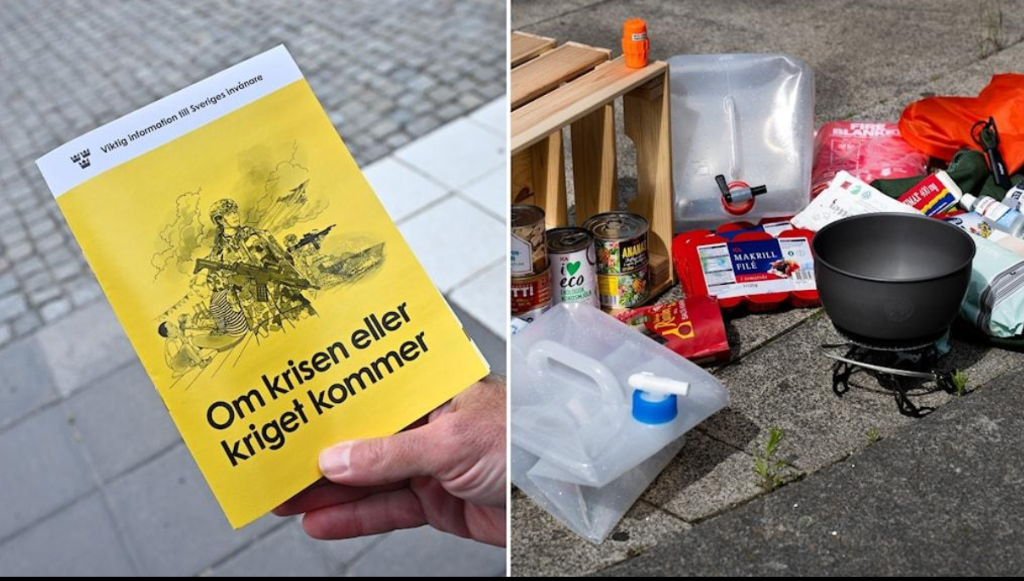
Across the continent, capitals are racing to restore a vital buffer: time. The United Kingdom’s October 2025 public campaign wasn’t just advice—it was a wake-up call. Authorities now instruct every household to maintain three days of emergency supplies: water, non-perishable food, medical kits, flashlights, battery radios, and cash. That’s no longer optional.
Northern Europe has taken it further. Finland recently expanded its national grain reserves to cover nine months of domestic consumption. Sweden, Poland, and the Baltic states have upgraded civil defense shelters, early warning systems, and evacuation protocols. These aren’t fears of another world war—they’re preparations for disruptions that could paralyze supply chains overnight: extreme weather, AI-driven infrastructure failures, or targeted sabotage.
The 2022 invasion of Ukraine served as a brutal reminder: modern conflicts don’t just burn on battlefields. They cripple power grids, block highways, and freeze trade. Europeans are realizing that the first hours after a crisis are often the most dangerous—and the most critical for public safety.
Moscow’s shadow over NATO’s resilience
Intelligence agencies across the West warn that Moscow may test Alliance cohesion through covert operations. Cyberattacks, supply chain disruptions, and unexplained infrastructure outages in Eastern Europe have raised alarms. These aren’t hypothetical risks—they’re exercises in ambiguity, designed to probe NATO’s response without triggering Article 5.
Yet no scenario suggests an imminent Russian attack on a member state. Instead, the preparation reflects a new doctrine: societies must endure temporary breakdowns until order is restored. Stockpiling water and food isn’t about surviving the apocalypse—it’s about buying critical hours for emergency services to react.
Middle East volatility: when oil fields and ports become battlegrounds
The 2026 escalation between the United States, Israel, and Iran sent shockwaves across the Gulf. Retaliatory strikes and missile exchanges threatened not just military targets but civilian infrastructure: refineries, desalination plants, and shipping lanes. The United Arab Emirates reported missile launches and drone incursions originating from Iran, sparking regional instability.
The domino effect is immediate: oil prices spike, fuel shortages paralyze transport, and food shipments stall. In a region where energy equals stability, even minor disruptions can trigger economic earthquakes. That’s why Gulf states are quietly advising citizens to build independent reserves—because resilience begins at home when global systems fail.
Asia’s evolving fault lines: China, North Korea, and the risk of cascading crises
The October 2026 reopening of a key China–North Korea border crossing signaled a deepening alliance between Beijing and Pyongyang. Days later, Kim Jong-un’s visit to Dandong underscored a historic realignment—one that coincides with North Korea’s growing military ties to Russia. While full-scale war remains unlikely, this convergence creates a web of overlapping tensions.
Analysts warn that simultaneous conflicts in Europe, the Middle East, and the Pacific could stretch global resources thin. In such a scenario, national stockpiles won’t just cushion citizens—they’ll stabilize entire economies until trade routes reopen.
From fear to foresight: turning preparedness into empowerment
The rise in emergency guidelines isn’t a sign of imminent collapse—it’s a recognition of uncertainty. NATO’s 2026 resilience standards now cover energy, food, water, communications, and healthcare continuity. These aren’t military directives; they’re societal safeguards.
For individuals, the message is clear: a few days of supplies, an emergency plan, and basic first aid knowledge aren’t signs of paranoia—they’re the foundation of modern survival. In a world where supply chains can snap overnight, the family stockpile becomes the first line of defense. Not against doom, but against disruption.
This isn’t about fear—it’s about foresight. Because when the next shockwave hits, the difference between panic and preparedness may come down to what’s already on your shelf.
Your 72-hour survival checklist
Government agencies now publish clear, non-alarmist guides for household readiness. Here’s what they prioritize:
- Water: 4 liters per person per day, minimum. Store more if space allows.
- Food: Shelf-stable meals, energy bars, and canned goods with extended expiry dates.
- Medication: A 14-day supply of prescription drugs, plus basic first aid supplies.
- Power & Light: Battery-powered lanterns, solar chargers, and portable power banks.
- Communication: Battery radio for emergency broadcasts and a charged power bank.
- Cash: At least $100 in small bills—digital systems may fail.
- Documents: Copies of IDs, insurance, and medical records stored in waterproof bags.
These aren’t extreme measures. They’re baseline precautions in an era where global shocks can strike without warning—and where the difference between inconvenience and crisis often starts at home.