
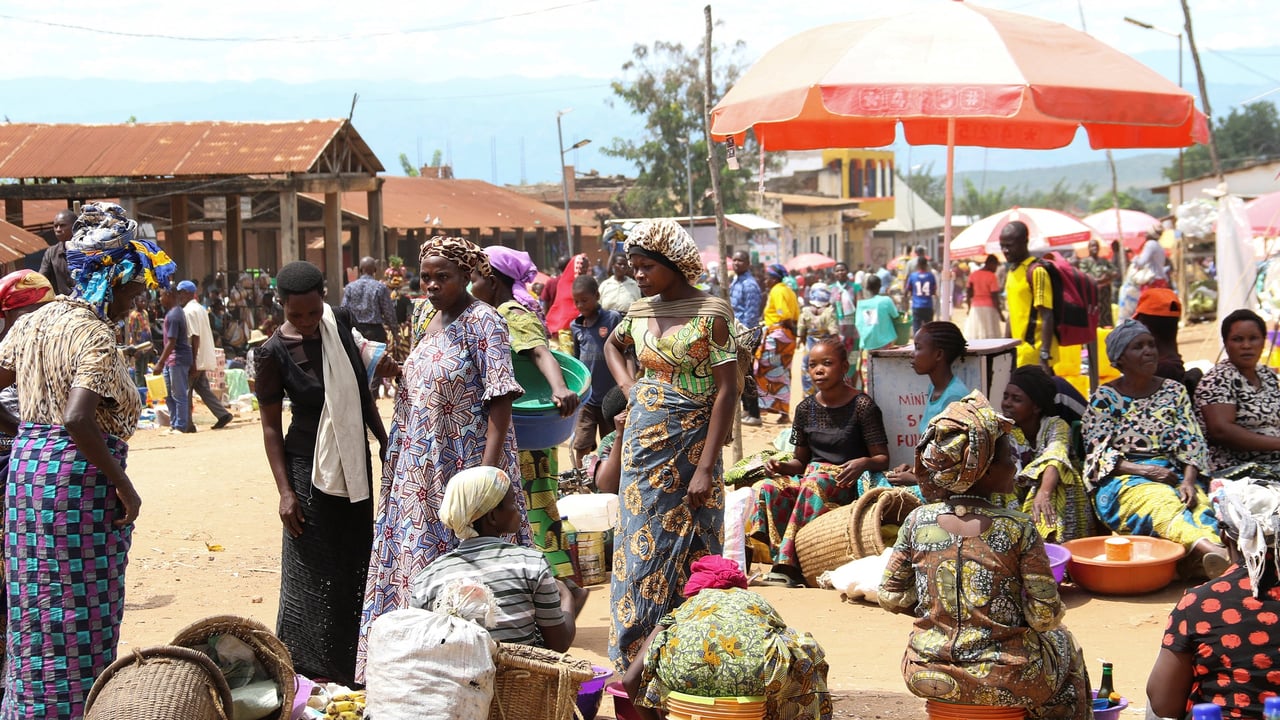
In the heart of South Kivu, the city of Uvira exists in a state of perpetual anxiety. For the inhabitants of this strategic hub in the eastern Democratic Republic of the Congo, the atmosphere is heavy with the feeling of living on borrowed time. Despite various international diplomatic shifts, the stability that was once hinted at remains a distant hope for those on the front lines of regional instability.
The weight of unfulfilled expectations
The local population continues to monitor global political developments with a mixture of skepticism and desperation. Much of this focus has recently turned toward the influence of Donald Trump, whose previous assertions regarding global conflict resolution sparked a unique brand of expectation in the DRC. In Uvira, these promises are not just political talking points; they are seen as potential lifelines for a region scarred by decades of violence.
The shadow of the AFC/M23 rebellion looms large over the province. As Félix Tshisekedi navigates the complex security landscape of the nation, the residents of the East feel caught in a geopolitical vice. The tension between Kinshasa and Kigali remains a central theme, with the actions of Paul Kagame frequently cited as a decisive factor in the ongoing unrest that plagues the border regions.
A community in suspense
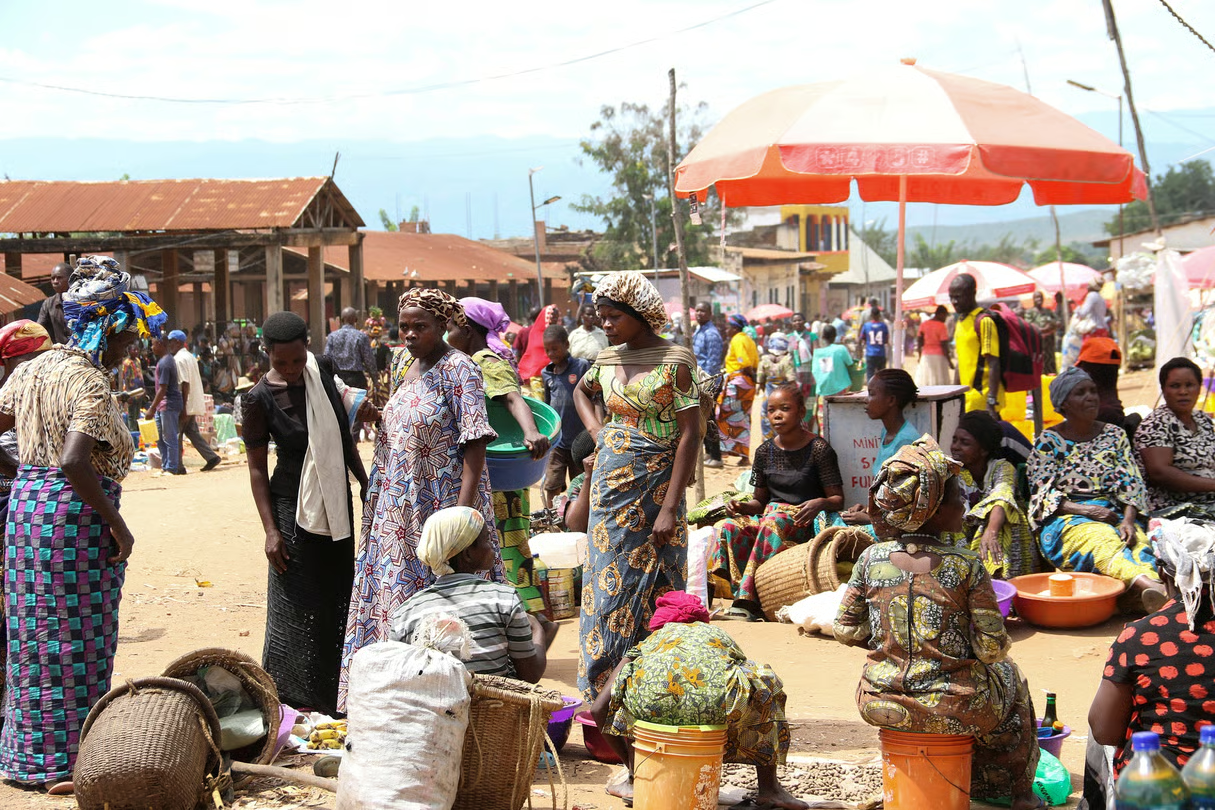
Daily life in Uvira is a testament to resilience, yet the cracks are showing. Markets remain active, but the underlying fear of renewed escalation is ever-present. Local leaders and citizens alike express a sense of being forgotten by the international community, even as they cling to the prospect of a decisive diplomatic intervention that could finally silence the guns. For now, the “peace” remains an abstract concept, discussed in high-level meetings while the reality on the ground stays precariously unchanged.