
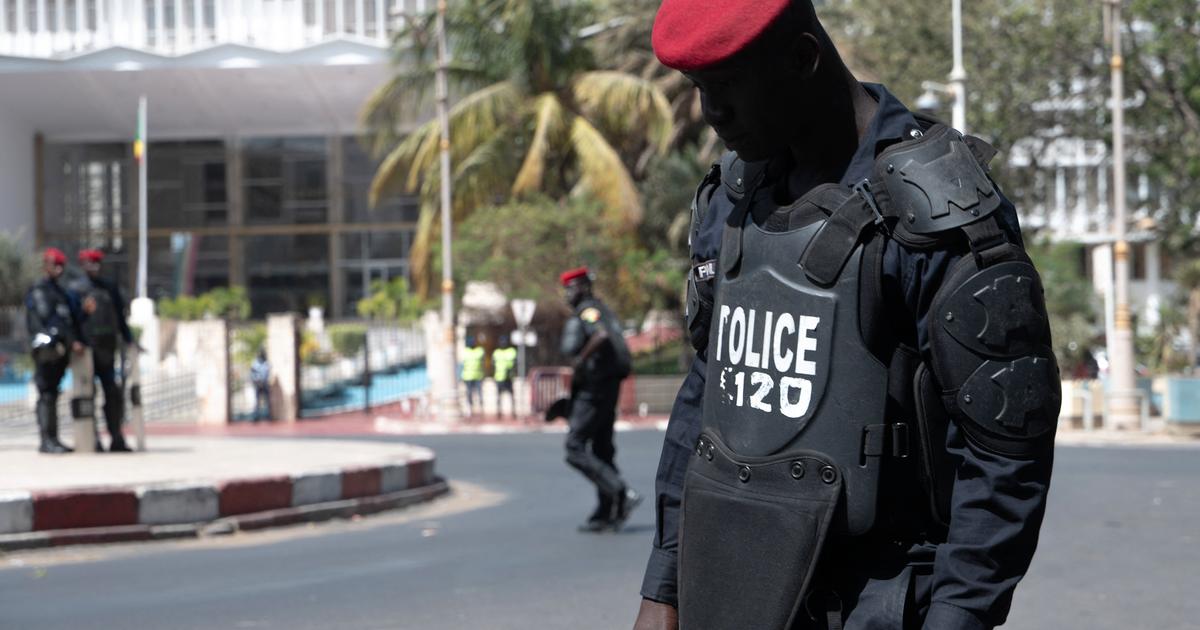
Amadou Bangoura’s night was one he won’t soon forget. Around 10 p.m., the 30-year-old Beninese student left his gym in Dakar’s Liberté 6 district, heading home as he did most evenings. The streets were nearly empty, shops closed, and only a few vehicle headlights cut through the darkness. Suddenly, a police patrol ordered him to stop. Two officers stepped out of their car.
“Show your papers,” they demanded.
That brief encounter has left a deep impression on Amadou, who has lived legally in Senegal for five years. His residency permit was valid, yet the incident left him shaken. “I couldn’t help but wonder what would happen next,” he admitted.
His experience is not unique. In a sweeping crackdown targeting West African migrants, Senegal’s Foreigners and Travel Documents Police Division has conducted 490 identity checks between June 30 and July 8 alone. The operation resulted in 36 detentions for irregular stay, raising concerns about the country’s famed Teranga (hospitality in Wolof) reputation.
administrative hurdles and rising distrust
Civil society leaders warn that the current approach goes beyond standard migration policies, fostering an atmosphere of perpetual suspicion toward foreigners. In a July 13 statement, they condemned arbitrary arrests, excessive administrative demands, and prolonged detentions targeting migrants, particularly those from neighboring Guinea—who make up over 40% of Senegal’s foreign residents.
Social media has amplified tensions, with TikTok flooded with hostile rhetoric accusing Guinean migrants of stealing jobs from Senegalese citizens. These accusations echo rhetoric seen in other African nations, including South Africa, where anti-immigrant sentiment has surged in recent years.
The timing of these operations is particularly notable, as Senegal recently assumed the presidency of the Economic Community of West African States (ECOWAS).
a growing divide
For migrants like Amadou, the crackdowns have eroded trust in a country long celebrated for its openness. “This isn’t just about enforcing laws—it’s about how we’re being treated,” he reflected. While authorities insist the measures aim to enhance public safety, critics argue they risk undermining Senegal’s image as a welcoming nation.