
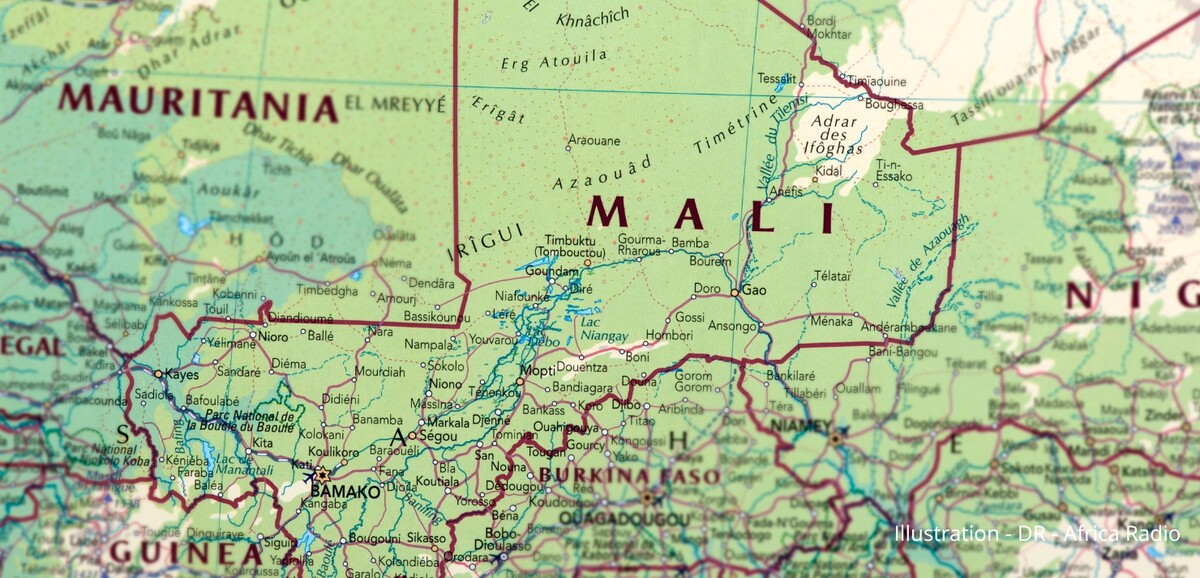
Since late April, a sharp escalation in fighting and aerial bombardments across northern and central Mali has forced nearly 40,000 people to abandon their homes. The cities of Gao and Ménaka have become temporary shelters for a significant share of these displaced families, with local leaders reporting over 15,000 arrivals in recent months alone.
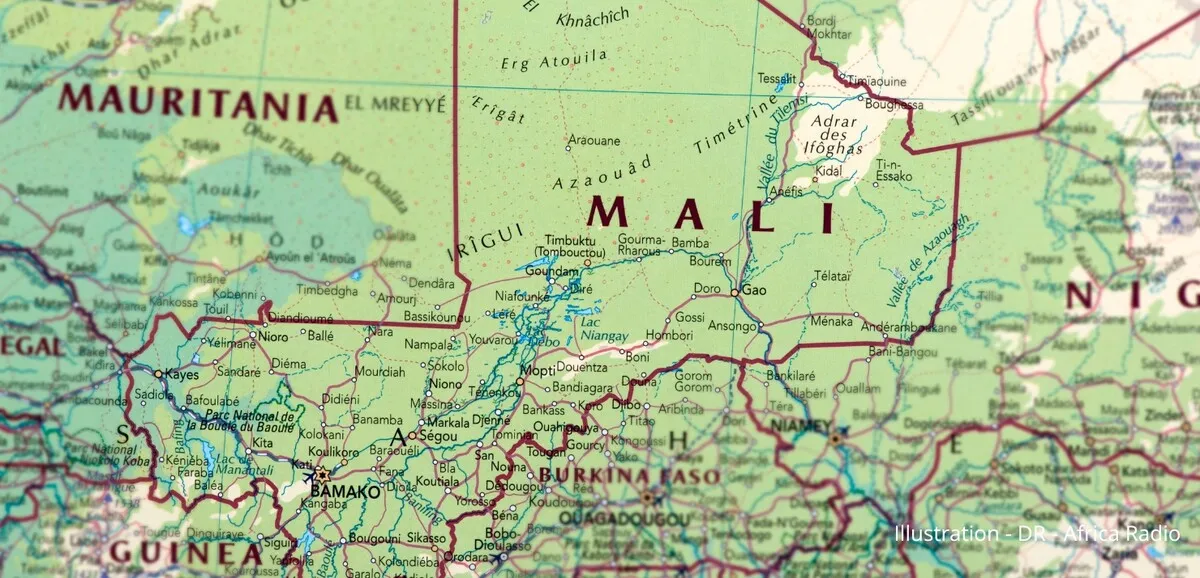
Kidal at the epicenter of renewed hostilities
A coalition of jihadist factions—aligned with the Group for the Support of Islam and Muslims (JNIM)—and separatist movements such as the Azawad Liberation Front (FLA) has launched a coordinated offensive, seizing control of key northern strongholds. Kidal, a strategic city in the far north, fell to this alliance, triggering intensified clashes around Anéfis and other critical zones. For civilians, this resurgence of violence means repeated displacements, the abandonment of villages, and increasingly restricted access to vital services like healthcare and education.
Escalating airstrikes deepen humanitarian strain
Over the past two weeks, Malian military forces have intensified aerial bombardments in the Kidal region, particularly around Tinzawatene. While unverified reports suggest these strikes have damaged medical facilities and triggered fresh waves of displacement, the full extent of the destruction remains difficult to confirm due to restricted access. What is clear, however, is the growing exodus of civilians fleeing combat zones for urban areas already struggling to accommodate new arrivals.
Gao and Ménaka grapple with overwhelming needs
The arrival of thousands of displaced families has stretched local authorities and aid organizations to their limits. Most refugees originate from Kidal, where conditions have deteriorated sharply since late April. They require immediate shelter, food, clean water, medical care, and support for children—urgent needs that compound an already precarious humanitarian landscape. With Mali’s total number of internally displaced persons (IDPs) exceeding 400,000, humanitarian actors warn that this latest wave risks pushing an already fragile system to the brink.
Decade-long security crisis fuels displacement
Northern Mali has been mired in a protracted security crisis since 2012, fueled by the expansion of jihadist groups linked to Al-Qaeda and the Islamic State, as well as armed communal and separatist factions. Despite the military junta’s post-2020 pledge to restore state control and security, the recent offensive underscores the persistent challenges in achieving these goals. For communities already displaced multiple times, the question now is not if they will flee again—but when.