
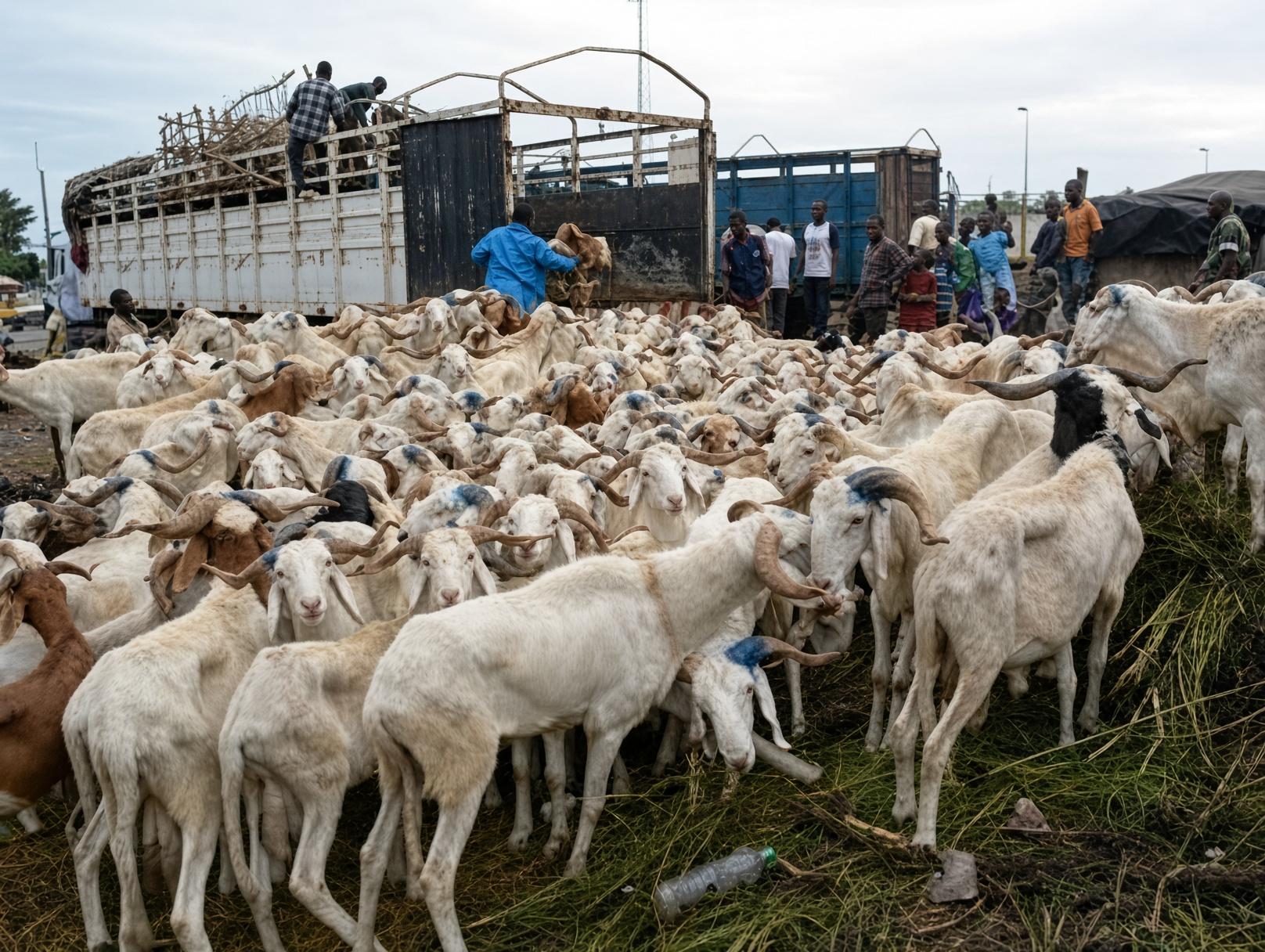
The unintended consequences of Mali’s cattle export suspension on national prosperity
Under mounting public dissatisfaction over escalating food costs, Malian officials are contemplating a sweeping six-month halt to cattle exports. While framed as an immediate solution to curb rising meat prices, this drastic policy threatens to suffocate the industry that currently propels Mali’s economic engine—without tackling the fundamental forces behind the crisis.
The vital role of livestock in Mali’s economic ecosystem
The cattle industry represents far more than just another economic segment—it is the backbone of Mali’s financial health. Contributing over 15% to the national GDP, this sector generates upwards of $150 million each year, ranking among the country’s top three export revenue sources. Yet, rather than empowering the farmers, traders, and transport workers who sustain this sector, policymakers are pushing a rigid embargo that would paralyze their cross-border commerce.
If implemented, the temporary ban could bring cattle sales to neighboring giants like Senegal, Côte d’Ivoire, and Guinea to a complete standstill. While the intention is to bolster local supply and reduce prices, the policy risks creating artificial surpluses, squeezing already fragile profit margins, and pushing numerous small and medium-sized enterprises—already struggling with rising feed and fuel costs—to the edge of collapse.
Putting a price freeze without fixing the root causes: a dangerous experiment
The underlying drivers of Mali’s meat price inflation are no mystery: inefficient supply networks, surging feed expenses, persistent security threats along transit routes, and systematic extortion at checkpoints. Instead of confronting these entrenched issues, the government is resorting to simplistic and historically ineffective measures: price controls and export restrictions.
When authorities tamper with market dynamics, the repercussions go well beyond short-lived price drops. Livestock owners, uncertain about their access to international markets, lose their incentive to expand herds or modernize operations. Why invest in high-quality breeds or advanced grazing methods if your access to lucrative regional buyers could disappear suddenly?
Severing regional trade links: the steep price of protectionist policies
Mali’s cattle export industry is not isolated—it thrives within a dense web of regional commerce. Over 99% of its livestock revenue comes from neighboring nations, making cross-border trade the lifeblood of the sector. By threatening to rupture these vital trade relationships, the government risks broadcasting a damaging message to investors and partners: that sudden policy shifts and abrupt trade restrictions are now standard operating procedure in the region.
The fallout? Reduced foreign capital inflows, declining business confidence, and a weakened position for Mali as a dependable economic partner. This isn’t merely a setback for livestock traders—it’s a long-term blow to the country’s economic sovereignty and its standing in West African trade networks.
Building sustainable price stability: moving away from trade bans
To effectively stabilize meat prices and revitalize the cattle sector, Mali must shift from restrictive policies to constructive strategies. This means securing transport corridors, eliminating unnecessary bureaucratic hurdles, reducing levies on animal feed and logistics, and promoting fair competition—rather than imposing artificial trade barriers.
The livestock industry doesn’t need state subsidies or arbitrary bans. It thrives on stability, efficient infrastructure, and operational freedom. Only under these conditions can production rise, prices stabilize, and both producers and consumers reap lasting rewards.
Mali’s crossroads: choosing between control and economic resilience
Mali faces a defining decision. One route leads to increased state control, eroding trust, and a contracting private sector. The other paves the way for economic vigor through empowerment, transparency, and open trade. The choice made today will determine whether the cattle industry—and the broader economy—prosper or decline in the coming years.