
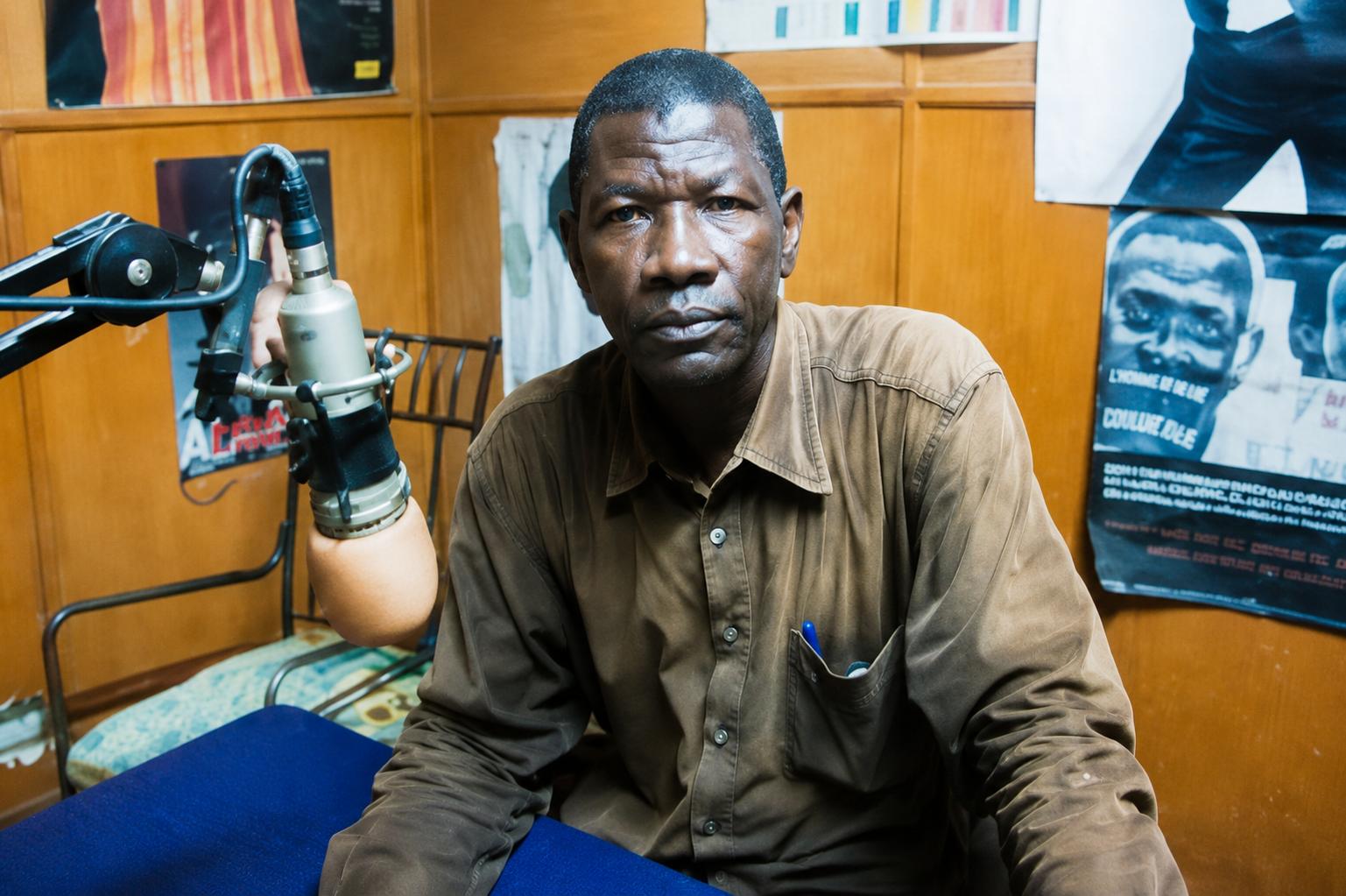
The growing concern among media professionals, civil society leaders, and human rights advocates in Niger has reached a boiling point. Weeks after investigative journalist Moussa Kaka vanished from Niamey’s streets, his detention without clear charges has sparked unprecedented outcry. The silence from transitional authorities is deafening, but the demand for answers is louder than ever.
From unexplained disappearance to state-enforced detention
On the afternoon of August 31, 2026, Moussa Kaka, a respected voice in Nigerien media and a vocal human rights defender, stepped out of his office in Niamey and vanished without a trace. For nearly a month, his family and colleagues feared the worst—rumors of abduction and secret imprisonment fueled widespread anxiety among press freedom advocates across the region.
After weeks of mounting pressure, the Ministry of Justice finally acknowledged Kaka’s detention, confirming he was alive but offering no explanation for his whereabouts or the legal basis of his confinement. While the revelation provided some relief, it did little to dispel concerns over due process and constitutional rights.
Urgency mounts: demands for transparency and legal clarity
The Journalists for Human Rights Organization (JDHO) has taken a leading role in pressing for accountability. Their demands are unequivocal:
- Public disclosure of charges: «Tell us what he’s accused of,» JDHO’s leadership insists. The failure to present formal allegations violates fundamental legal principles and leaves both the journalist and the public in the dark.
- Verification of detention conditions: Human rights groups are calling for unhampered access to Kaka’s location to assess his treatment and living conditions in custody.
- Guaranteed access to defense: Immediate restoration of his right to legal counsel and family visits, ensuring he can prepare a proper defense without obstruction.
Press freedom under siege in Niger’s transition era
This case is not isolated. Since the beginning of the transitional government, Niger’s media landscape has faced intensifying restrictions. Investigative journalism and independent reporting are increasingly met with heavy surveillance, often justified under the banner of national security. Yet human rights advocates warn that such measures risk becoming tools of repression, silencing dissent under the guise of safety.
The detention of Moussa Kaka is now seen as a litmus test for Niger’s commitment to the rule of law and public freedoms. Will the government uphold its constitutional obligations, or will expediency under transition override justice? The stakes could not be higher—for Kaka, for the press, and for democracy itself in Niger.
Why this case matters beyond one journalist
The outcome of Moussa Kaka’s detention will set a precedent. If authorities continue to withhold charges and deny access to due process, it signals a dangerous erosion of judicial independence and press freedom. The international community, local media unions, and civil society are watching closely—this is no longer just about one man, but about the future of accountability in Niger.
The question lingers: what crime, if any, does Moussa Kaka stand accused of? Without answers, the silence itself is an indictment.