
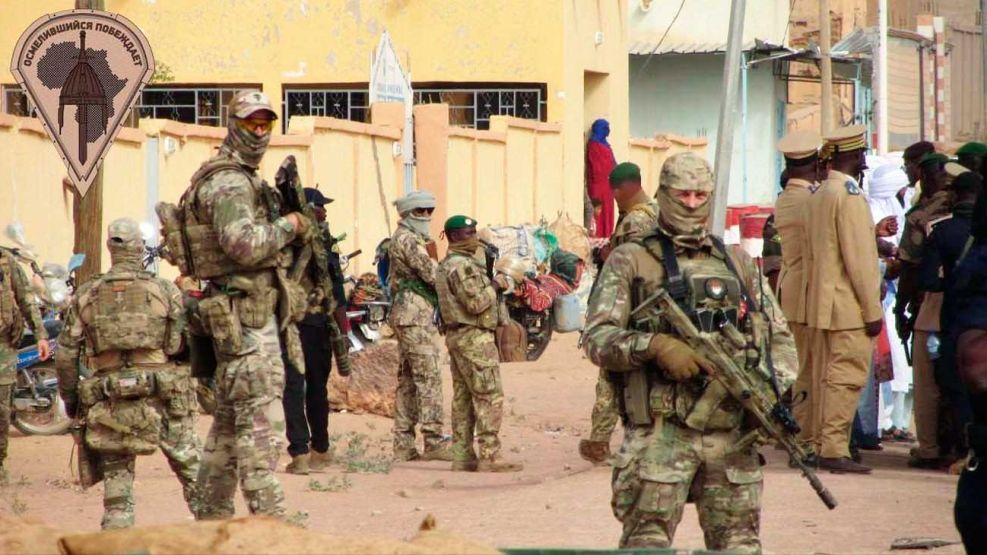
Mali’s strategic shift toward Moscow following the withdrawal of French Barkhane forces and the United Nations MINUSMA mission has materialized in the form of the Africa Corps, a Moscow-based military structure under the direct authority of the Russian Ministry of Defence. Yet, after years of deployment, the security landscape in the country remains fraught with challenges, casting doubt on the efficacy of this mercenary-driven model amid a complex, multi-layered crisis.
the promise of security and the reality on the ground
The stated goal of the Malian transition authorities was unambiguous: regain control over terrorist factions such as JNIM and EIGS. While the Africa Corps has achieved notable symbolic victories—most recently the retaking of Kidal in late 2023—the broader security situation continues to deteriorate. The resilience of jihadist offensives shows no sign of waning, and their reach has expanded alarmingly close to the capital, Bamako.
The illusion of Russian military invincibility shattered in July 2024 during a devastating ambush near Tinzawatène. Paramilitary units fell into a coordinated trap set by the CSP alliance and affiliated extremist groups near the Algerian border, suffering one of the heaviest losses in their operational history. The incident exposed critical vulnerabilities in their tactics and command structure.
Moreover, the Africa Corps has demonstrated a pattern of short-term tactical gains followed by long-term territorial abandonment. Villages and communities often find themselves defenseless once convoys depart, facing brutal retaliation from armed groups seeking to reclaim influence. This cycle of temporary control and persistent insecurity underscores a fundamental flaw in the model’s design.
a legal and ethical vacuum
The Africa Corps operates in a legal gray zone, distinct from conventional state forces, and this opacity lies at the heart of its most pressing controversies. Without formal recognition as a state entity, the group exists beyond the reach of international humanitarian law, creating two major consequences:
- Unaccountable violence: Human rights organizations have documented numerous civilian casualties during large-scale clearing operations. Without legal accountability, perpetrators evade justice, and victims are left without recourse.
- Resource-driven priorities: Strategic deployment often centers around extractive zones—particularly gold and lithium mining sites—rather than protecting civilian infrastructure or rural populations. Security, in this context, appears to be a tradable commodity rather than a public service.
As one analyst noted, “A nation’s security cannot be outsourced indefinitely to actors whose primary motives are financial and geopolitical, not the welfare of its people.”
sovereignty at risk: Bamako’s growing dependence
By severing ties with Western partners without achieving decisive gains, Mali has inadvertently entrenched itself in a deeper dependency on Moscow. Russian advisors now exert significant influence over the country’s security agenda, reshaping its strategic priorities and operational frameworks.
This pivot has also strained relations with the Economic Community of West African States (ECOWAS) and neighboring nations, complicating cross-border collaboration essential for combating regional terrorism. Meanwhile, concerns are rising within the Malian Armed Forces (FAMA) that their role may be reduced to secondary operations or even sacrificial engagements, with Russian commanders prioritizing objectives that may not align with national stability.
The current security model reveals a harsh truth: without sustainable political solutions and genuine accountability to citizens, external interventions—whether from Western powers or Russia—are fundamentally ill-equipped to resolve deeply rooted governance failures. The Malian conflict is not merely a security challenge; it is a crisis of leadership, governance, and national cohesion—issues no mercenary force, no matter how heavily armed, can resolve.