
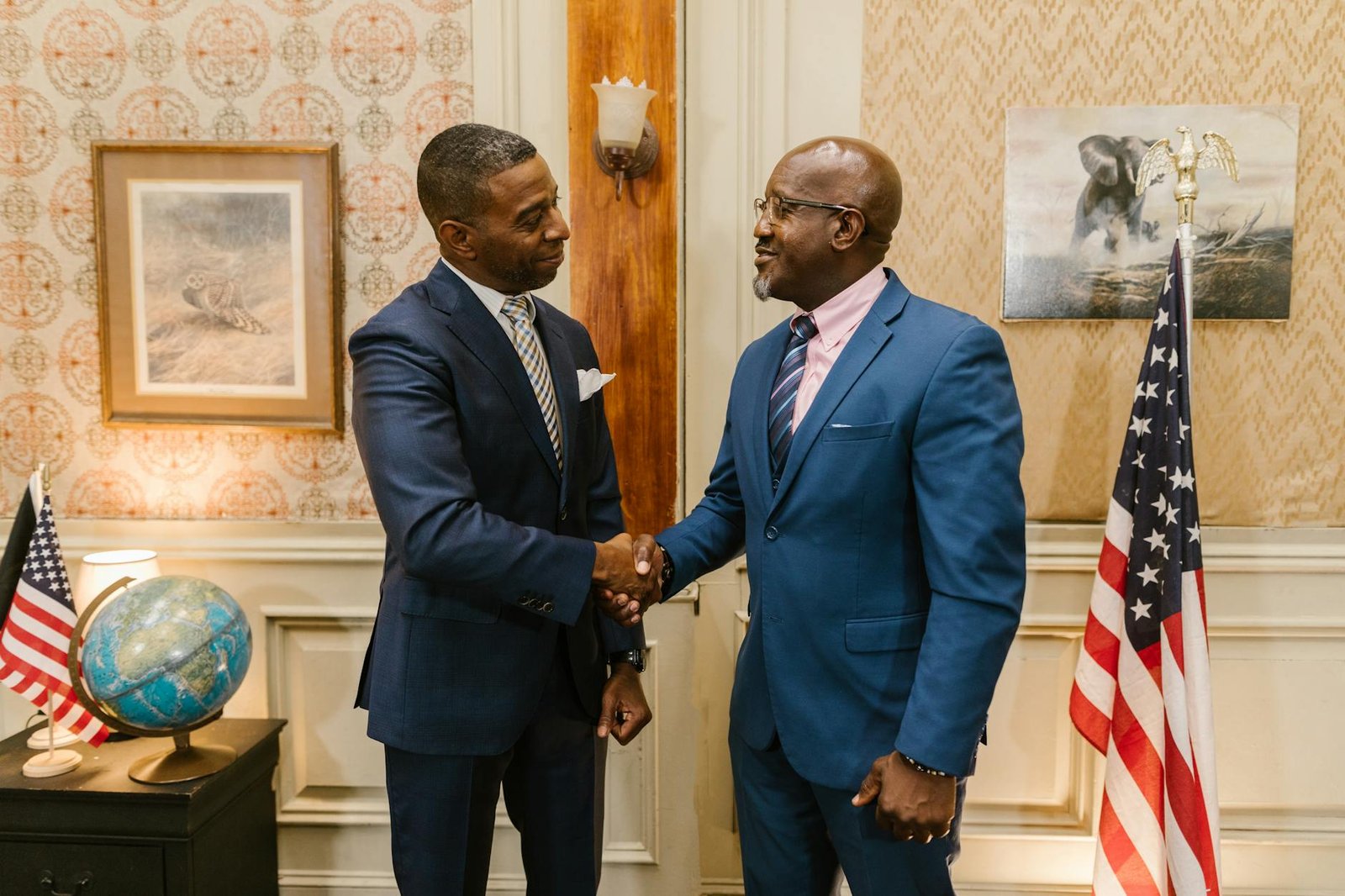
The diplomatic landscape between Senegal and Botswana is shifting gears as Bassirou Diomaye Faye and Duma Boko elevate their nations’ ties to a new strategic level. Following closely timed political transitions, both leaders are championing a shared vision of economic resilience and continental sovereignty. Their recent high-level discussions in Dakar signal a bold step toward deepening cooperation between Dakar and Gaborone, two capitals separated by vast distances but united by ambition.
emerging south-south cooperation between Senegal and Botswana
Trade flows between Senegal and Botswana remain minimal, constrained by geography and divergent regional blocs—Senegal in the ECOWAS zone and Botswana in the SADC. No direct preferential trade agreements exist, and cross-border investments are virtually nonexistent. This gap is precisely what Presidents Faye and Boko aim to close by leveraging the African Continental Free Trade Area (AfCFTA), launched in 2021. The agreement now provides a legal framework to facilitate smoother exchanges of goods, services, and expertise between the two nations.
industrial synergies waiting to be unlocked
At first glance, Senegal and Botswana appear economically mismatched: one thrives on diamonds and mineral wealth, while the other is diversifying into hydrocarbons, agriculture, and digital services. Yet beneath the surface lies untapped potential for mutual benefit. Botswana, a global leader in diamond production, is actively seeking to reduce its reliance on a single resource and expand local processing. Meanwhile, Senegal is accelerating its energy sector with major offshore projects like Sangomar and Grand Tortue Ahmeyim, while excelling in finance, IT, and higher education—fields where Gaborone could benefit from Francophone African partnerships. Resource governance offers another natural collaboration point, given Botswana’s decades-long experience with its sovereign wealth fund.
diplomatic strategy driving economic renewal
President Faye’s outreach to Botswana reflects a broader diplomatic pivot. Since assuming office in April 2024, he has prioritized partnerships beyond West Africa and the Maghreb, positioning Senegal as a champion of political and economic reform. Botswana—a stalwart of stability and democracy—aligns perfectly with this narrative. Duma Boko’s rise to power in late 2024, ending six decades of single-party rule, further strengthens this reformist alliance. Together, they can frame their partnership as a symbol of Africa’s changing guard.
Yet translating intent into action will require concrete steps: identifying priority sectors, addressing logistical hurdles like the lack of direct flights, and establishing a supportive legal framework for investments. Without operational mechanisms—such as a joint commission or bilateral business forum—their declarations risk fading into obscurity, much like countless memoranda signed across the continent. The true test will be whether Dakar and Gaborone can move from dialogue to deliverables.
explore more on african partnerships
- Kenya 2026: Dakar’s high-powered team targets investor confidence
- Paris extends African tour with stopover in Addis Ababa