
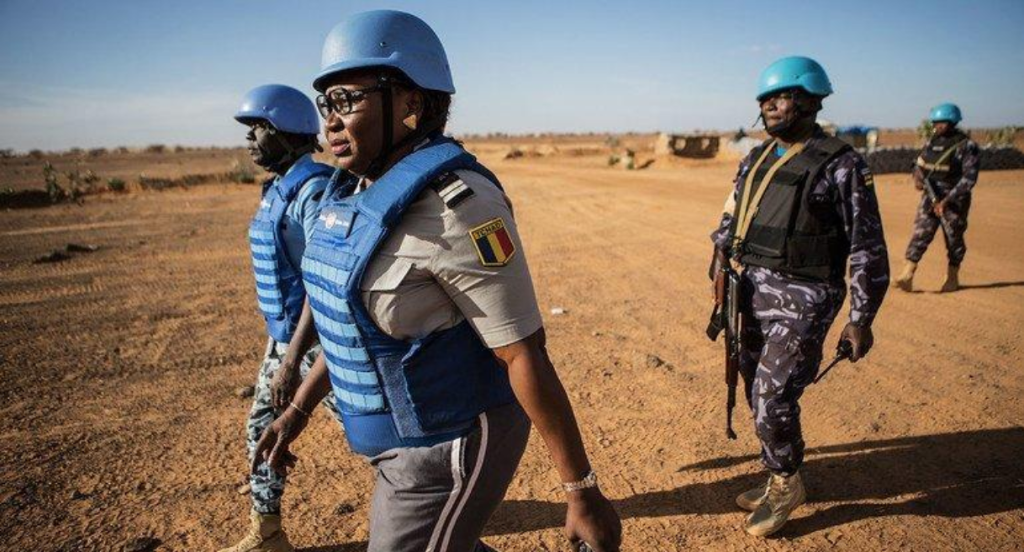
In the remote savannas of northern Mali, the discovery of 54 civilian bodies in the village of Tagadayat, just 35 kilometers southeast of Ménaka, has shattered the illusion of state control over violence-hit territories. This brutal incident—attributed to jihadist fighters—exposes not only the fragility of civilian life but also the widening gap between government assurances and ground-level security failures. As communities brace for the next attack, a pressing question emerges: what must Mali do to restore trust before another massacre unfolds?
From Tagadayat to the streets of Ménaka: the human cost of insecurity
For years, the Ménaka region has operated under a state of perpetual exposure. Civilians navigating daily routines—farming, trading, or attending local markets—do so against a backdrop of armed group ambushes and targeted killings. The massacre in Tagadayat didn’t just claim lives; it underscored the inability of security forces to break the cycle of violence that has suffocated the region’s social and economic fabric.
Unlike urban centers where state presence is visible, rural settlements like Tagadayat bear the brunt of delayed responses and limited resources. The absence of real-time intelligence, coupled with logistical challenges in reaching remote areas, leaves civilians vulnerable. After the attack, survivors recounted how the absence of early warnings or rapid intervention allowed attackers to inflict maximum damage—highlighting systemic flaws in both detection and response.
What went wrong in Tagadayat?
The sequence of events leading to the massacre raises critical unanswered questions. Why were no preventive measures taken despite credible threats? Did authorities have prior knowledge of impending attacks? The lack of transparent communication post-massacre only deepens public skepticism toward the state’s commitment to protection.
While investigations continue, the delay in establishing facts risks normalizing impunity—a dangerous precedent in a region where armed groups thrive on perceived state weakness. For the families of the victims, justice delayed is justice denied; for the broader population, it signals a government struggling to fulfill its most fundamental duty: safeguarding lives.
Military might vs. civilian safety: why force alone isn’t enough
Mali’s counterterrorism strategy has long relied on military operations to reclaim territory and weaken armed groups. Yet Tagadayat’s tragedy reveals a glaring contradiction: overwhelming firepower doesn’t translate to sustainable safety for civilians. Instead of deterring violence, these operations often displace communities, pushing them into the crosshairs of militant factions.
Security isn’t merely about deploying troops; it’s about ensuring that their presence translates into tangible protection. In Tagadayat, the absence of robust early-warning systems, coupled with the isolation of the village, created a perfect storm for disaster. Without addressing these structural gaps—such as improved intelligence-sharing, community-based vigilance, and rapid-response mechanisms—the cycle of violence will persist.
The ripple effects of state failure
When the state fails to shield its people, the consequences extend far beyond immediate casualties. Displacement surges as families flee to overcrowded displacement camps, straining already scarce resources. Local economies collapse as farmers abandon fields and traders halt exchanges, fearing ambushes on roads. Social cohesion frays under the weight of trauma and mistrust toward authorities charged with protection.
Tagadayat’s massacre serves as a wake-up call for Mali’s leadership. The erosion of civilian trust isn’t just a humanitarian concern—it’s a security threat. Armed groups exploit this vacuum, using civilian suffering as a recruitment tool and a propaganda weapon. Unless the state demonstrates a credible shift from reactive force to proactive protection, the narrative of its inefficacy will continue to grow.
A roadmap to reclaiming security in northern Mali
Rebuilding civilian confidence demands a multi-layered approach. First, transparency is non-negotiable. Authorities must release detailed findings on the Tagadayat massacre, including the identities of perpetrators and any failures in intelligence or response. Without accountability, the cycle of violence will only repeat.
Second, security strategies must prioritize prevention over reaction. This includes:
- Establishing community alert networks to detect threats early
- Deploying mobile protection units to isolated villages
- Ensuring humanitarian access to avert secondary crises (food shortages, disease outbreaks)
- Collaborating with local leaders to tailor security measures to regional dynamics
Third, the international community’s role cannot be ignored. While Mali must lead its own recovery, external support—be it in training, equipment, or intelligence—can supplement national efforts. However, any aid must align with Mali’s long-term vision for security, avoiding short-term fixes that leave communities exposed.
Finally, the path to restoration hinges on restoring daily life. Safe access to markets, schools, and farmlands isn’t just about survival; it’s about reclaiming dignity. When civilians can return to their routines without fear, the state’s authority is validated—and the grip of armed groups weakens.
Tagadayat’s lesson: Can Mali afford another failure?
The 54 bodies in Tagadayat are not just a statistic; they are a referendum on the Malian state’s ability to protect its people. This massacre didn’t occur in a vacuum—it is the latest symptom of a broader governance crisis where security has become a luxury, not a guarantee.
For the people of northern Mali, the question is no longer whether the state can deliver on its promises, but whether it still has the will. Without decisive action, Tagadayat will not be an anomaly—it will be a blueprint for the next tragedy.