
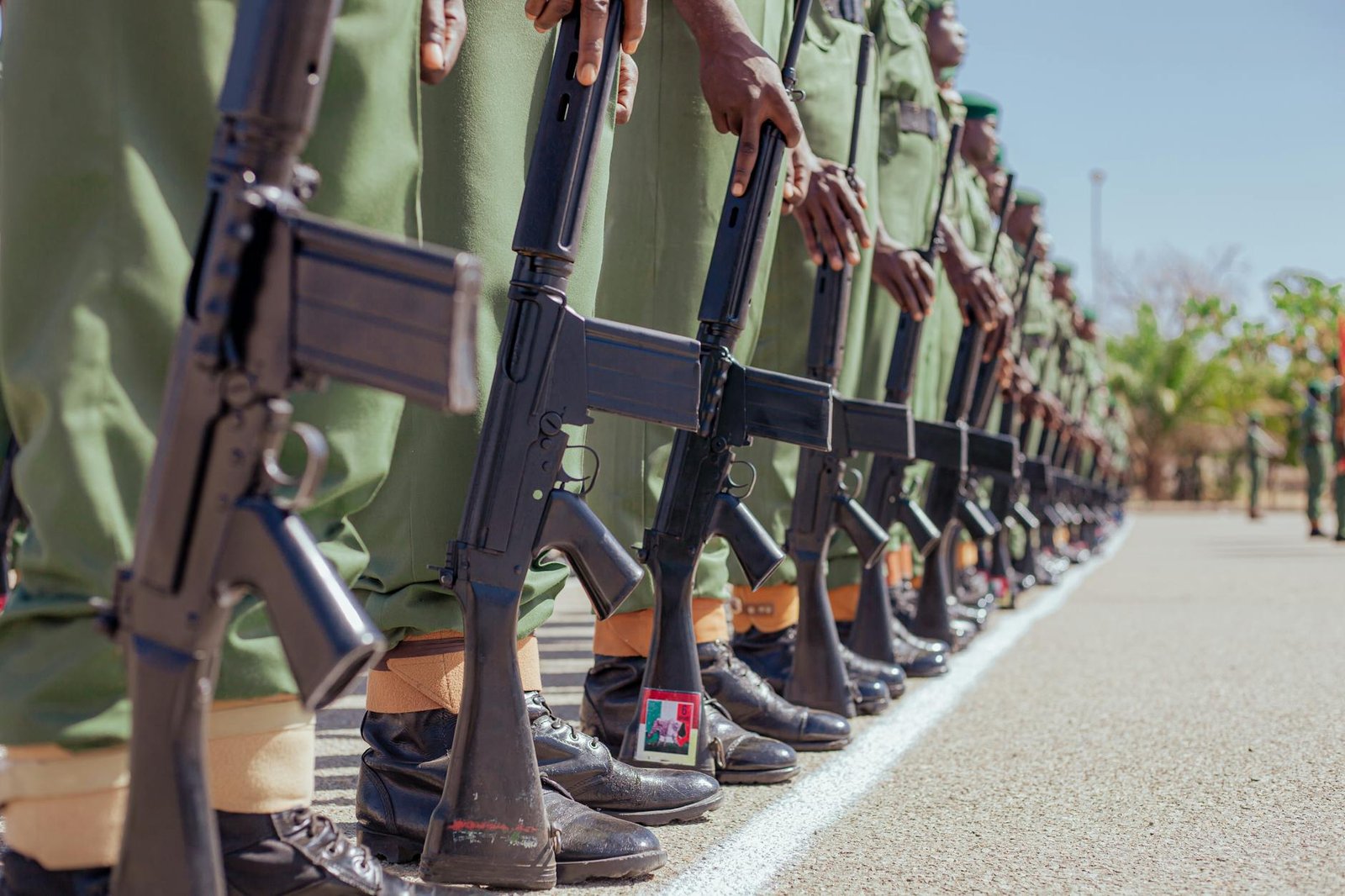
The Malian authorities have just enacted sweeping measures to tighten control over the nation’s territory. Thirty-nine military-sensitive zones across the country are now off-limits to civilian populations, a move framed as essential to safeguarding ongoing counterterrorism operations. This decision comes as the Malian Armed Forces (FAMa) accelerate their troop deployments in response to the persistent threat posed by armed groups operating in central and northern Mali. The move underscores a broader shift toward securing strategic sites critical to asymmetric warfare.
Redrawing the map of military influence
The designation of thirty-nine restricted military zones represents a major administrative shift. While traditional no-go areas include military barracks, airfields, and logistical hubs, the newly listed zones likely encompass operational corridors, forward operating bases, and locations housing recently acquired air and ground assets. Since 2022, Mali has significantly bolstered its military arsenal, including the acquisition of aircraft and drones aimed at regaining tactical initiative. Protecting these high-value assets has now become a top priority for the general staff.
This restriction is also a calculated move to shield sensitive information. In a conflict where human intelligence and real-time monitoring of troop movements are vital to adversaries, limiting access around key installations serves as a counterintelligence tactic. Authorities are seeking to prevent intelligence leaks that could be exploited to launch complex assaults on military positions—attacks that have repeatedly targeted garrisons in recent years.
Political messaging to citizens and international partners
The announcement arrives at a pivotal moment as Mali’s military-led transition consolidates its grip on the security apparatus. With the withdrawal of the UN peacekeeping mission (MINUSMA) completed in late 2023 and the departure of French forces from Operation Barkhane, Bamako is asserting full operational sovereignty. The country now relies on its own capabilities, reinforced by partnerships with Russian counterparts and the framework of the Alliance of Sahel States (AES), which unites Mali, Burkina Faso, and Niger.
For local civilians, the restrictions carry tangible consequences. Limited access to certain areas may disrupt trade routes, pastoral movements, and farming activities—particularly in regions where military installations border inhabited zones. Humanitarian organizations, already operating under extreme duress, will face even tighter operational constraints. The need for clear communication with affected communities and precise demarcation of restricted zones has become a pressing concern.
Sahel’s enduring security challenge
Bamako’s latest decision reflects a regional trend. Burkina Faso and Niger, both AES members, have introduced similar measures to safeguard military infrastructure and regulate movement in sensitive areas. The alignment of security doctrines among the three nations highlights a shared assessment of the threat and a push for unified operational responses. This coordination is gradually expanding to include joint resource-sharing and the deployment of a collective defense force announced by the bloc’s leaders.
Yet the strategy of militarized exclusivity raises long-term questions. As restricted zones multiply, large swaths of territory risk slipping into a permanent state of exception, complicating civilian administration and economic recovery. Balancing security imperatives with national continuity has become a delicate balancing act—especially in a country where nearly two-thirds of its land has been impacted by insecurity since 2012.
The rollout of this policy will be closely monitored by regional governments and international donors, who are keenly observing humanitarian access conditions and civilian rights protections. How these thirty-nine zones are enforced—including their exact boundaries and penalties for violations—will shape perceptions of the measure both domestically and across the continent.