

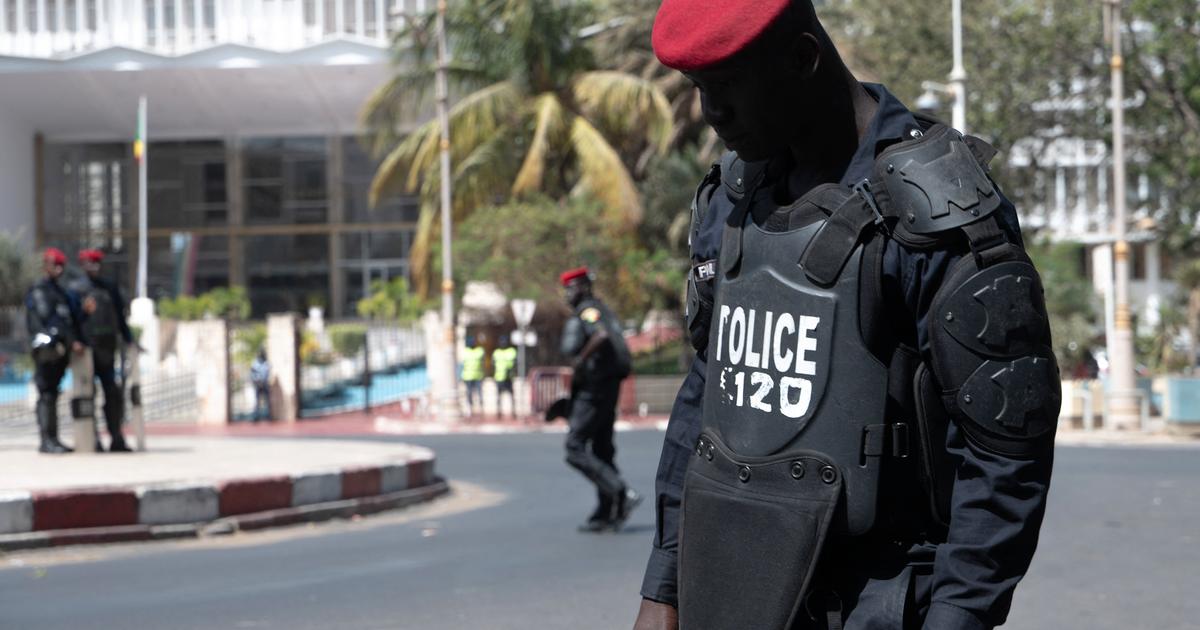
For Amadou Bangoura, a 30-year-old Beninese student living in Dakar, the night of July 5 will remain etched in his memory. Just before 10 p.m., as he left his gym in the Liberté 6 neighborhood—a routine he had followed for years—he noticed the streets were nearly empty. Shops had closed, and only a few car headlights pierced the darkness. Then, a police patrol ordered him to stop. Two officers stepped out, demanding his papers.
Though his residency documents were valid, Bangoura found himself questioning his safety. ‘I wondered what might happen next,’ he admitted. His experience reflects a broader trend: a sweeping crackdown on foreigners in Senegal’s capital and surrounding areas, driven by the Directorate of Foreign Police and Travel Documents. Between June 30 and July 8, authorities conducted 490 identity checks, resulting in 36 detentions for irregular stay.
administrative demands spark concerns
Residents like Bangoura, who have lived legally in Senegal for five years, now feel targeted by what critics call an ‘unprecedented wave of suspicion.’ Civil society groups have condemned the operation, citing ‘arbitrary arrests, excessive administrative demands, and prolonged detentions.’
Human rights advocates warn that these measures risk undermining Senegal’s long-standing reputation for hospitality, known locally as Teranga. A recent statement from civil society leaders described the climate as a ‘permanent climate of distrust toward foreigners,’ a shift that has left many long-term residents uneasy.
rising xenophobic rhetoric online
The tension has extended beyond official checks. Social media platforms, particularly TikTok, have seen a surge in hostile rhetoric targeting Guinean nationals—the largest foreign community in Senegal, comprising over 40% of registered immigrants. Accusations of stealing jobs from Senegalese citizens echo similar rhetoric seen in recent anti-immigrant campaigns in South Africa.
These developments coincide with Senegal assuming the presidency of the Economic Community of West African States (ECOWAS), raising questions about the country’s commitment to regional integration and free movement.