
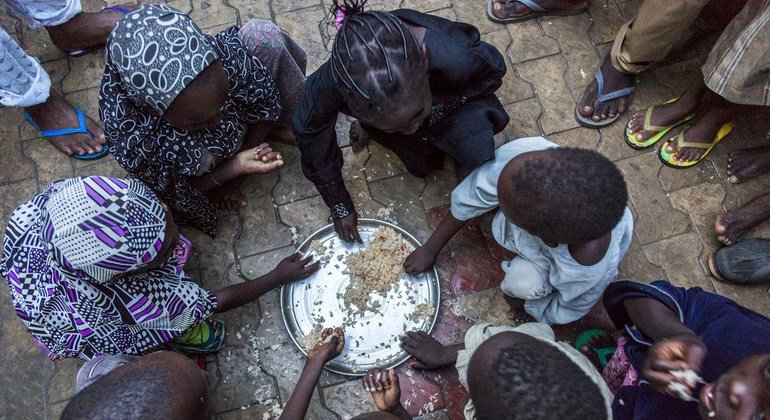
West and Central Africa face catastrophic hunger crisis as violence and budget cuts escalate
The United Nations World Food Programme (WFP) has raised urgent alarms about a spiraling humanitarian catastrophe in West and Central Africa, where escalating violence and severe budget reductions are pushing millions toward starvation.
According to the latest WFP assessments, more than 55 million people—including over 13 million children—are at risk of extreme hunger this year, with famine conditions (IPC-5) already emerging in pockets of the region. The agency warns that without immediate intervention, the situation could deteriorate further by mid-2026.
Funding gaps worsen hunger amid rising conflict
The WFP has urgently appealed for $453 million over the next six months to prevent a full-blown disaster. The shortfall is expected to leave 3 million people in emergency food insecurity (IPC-4) by the end of 2026—a dramatic increase from 1.5 million in 2020. Four countries—Nigeria, Chad, Cameroon, and Niger—account for 77% of the crisis, with 15,000 people in Nigeria’s Borno State facing catastrophic famine (IPC-5) for the first time in nearly a decade.
Mali: Ration cuts fuel hunger surge
In Mali, reduced food aid has contributed to a 64% spike in acute malnutrition in certain regions, while areas receiving full rations saw a 34% decline. Persistent insecurity has disrupted supply chains, leaving 1.5 million Malians vulnerable to food shortages. The lack of humanitarian access further compounds the crisis, with displaced communities struggling to secure basic necessities.
Nigeria: Child malnutrition reaches critical levels
The WFP reports that funding shortfalls in 2025 forced drastic cuts to nutrition programs, impacting over 300,000 children. Malnutrition has escalated from “severe” to “critical” in northern states, and projections indicate that only 72,000 people will receive aid in February 2026—down from 1.3 million in the same period last year.
Cameroon: Vulnerable populations face aid withdrawal
Over 500,000 people in Cameroon risk losing lifesaving assistance in the coming weeks if emergency funding is not secured. The country’s ongoing conflicts and economic instability have exacerbated food insecurity, pushing more households into extreme poverty.
13 million children at risk of starvation
Speaking from Rome, Jean Martin Bauer, WFP’s Director of Food Security and Nutrition Analysis, emphasized the dire consequences of inaction: “When we talk about IPC-5, it means 15,000 people in Nigeria’s Borno State and parts of the region are at immediate risk of death by starvation.” The WFP warns that without scaled-up support, child mortality rates will surge, as malnourished children face irreversible health complications.
Urgent call for resilience-building and funding
The WFP has outlined a multi-pronged strategy to address the crisis, including:
- Proactive humanitarian funding: Governments and donors must prioritize emergency aid to prevent further deterioration.
- Resilience programs: Since 2018, over 300,000 hectares of degraded land have been rehabilitated, benefiting 4 million people by improving climate resilience.
- Social protection systems: Strengthening government-led safety nets to cushion vulnerable populations against future shocks.
“The solutions exist, but they remain underfunded,” stated Bauer. “We must act now to break the cycle of hunger and prevent further displacement and conflict.”
The WFP’s appeal underscores the need for a coordinated response to avert a full-scale humanitarian disaster in West and Central Africa.