
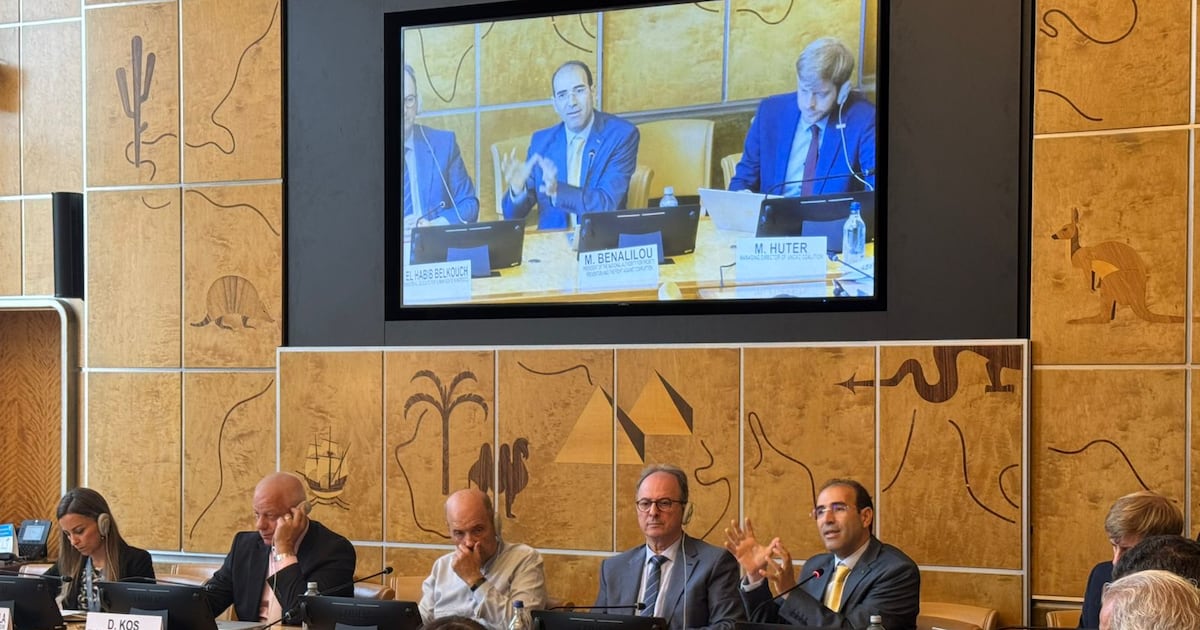
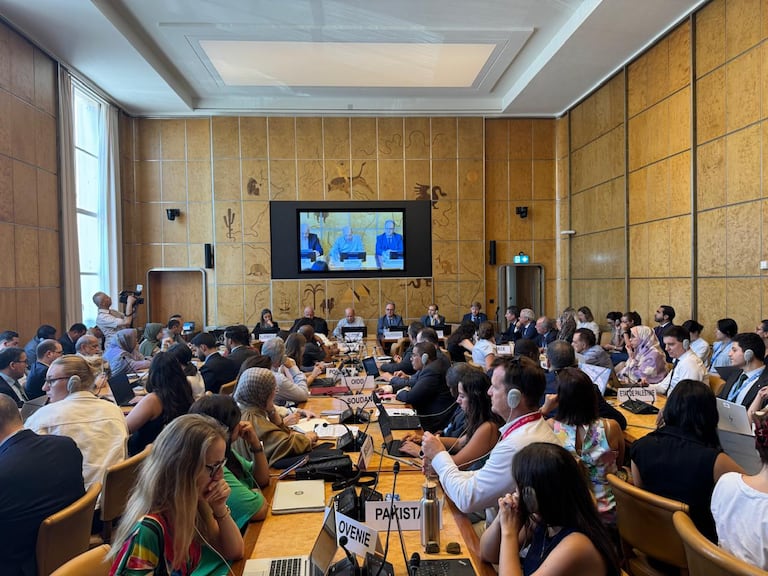
In an international climate increasingly aware of the damage caused by graft, a significant event took place in Geneva to address the intersection of integrity and fundamental liberties. This gathering follows the momentum of Human Rights Council resolution 59/6, passed in July 2025, which formalizes the growing consensus that fighting corruption and safeguarding human rights are two sides of the same coin. International frameworks, including the United Nations Convention against Corruption and the 2011 Marrakech Declaration, continue to stress that prevention must be rooted in the rule of law and democratic principles.
Morocco’s integrated strategy on the global stage
During these discussions, the Kingdom of Maroc showcased its comprehensive model, which aligns national institutional efforts with international standards. Ambassador Omar Zniber, the Permanent Representative of Maroc to the United Nations in Genève, moderated the session and emphasized the strategic importance of this multilateral initiative. He highlighted the proactive role Maroc plays within the Nations unies framework, noting how the country has synchronized its national agencies to uphold transparency and high standards of governance.
Adding a fundamental perspective, the Interministerial Delegate for Human Rights, El Habib Belkouch, argued that corruption acts as a primary barrier to the actual enjoyment of basic rights. Moving beyond simple legal or repressive definitions, he pointed out the human cost of these practices. “When corruption infiltrates the justice system, healthcare, or the job market, it effectively strips citizens of their legitimate entitlements,” he observed.
The human cost of diverted resources
El Habib Belkouch further explained that every cent lost to bribery or embezzlement is a resource stolen from public services. This means fewer funds for hospitals, schools, and social safety nets. He noted that the burden of these systemic failures falls most heavily on the shoulders of the vulnerable, particularly women and those living on the margins of society.
To combat this, he identified prevention as the most powerful tool available. Key pillars such as the right to information, public accountability, and citizen engagement are not just administrative goals but are themselves fundamental rights that serve to block corrupt practices. Strengthening the synergy between various state institutions remains a top priority to ensure public policies actually reach their intended beneficiaries.
A shift toward institutional integrity
Mohamed Benalilou, head of the National Authority for Probity, Prevention and the Fight against Corruption, provided a structural analysis of the issue. He suggested that the link between integrity and rights is evolving into a state of total interdependence. This shift requires a victim-centered approach, recognizing that we are dealing with real people deprived of their dignity rather than just missing ledger entries.
He also brought attention to gender-based corruption, describing it as a major hurdle to achieving true equality. Mohamed Benalilou argued that preventing corruption should be viewed as a positive obligation for states—a necessary part of their duty to protect the freedoms of their citizens. In this light, anti-corruption work becomes a core component of human rights due diligence.
Furthermore, he called for the protection of civic space and the recognition of whistleblowers as human rights defenders. The goal is to move toward a model of “institutional integrity,” where organizations do more than just avoid scandal; they actively work to guarantee equality and protect rights.
On the global stage, Mohamed Benalilou advocated for better coordination between the diplomatic hubs of Genève, Vienne, and New York. He concluded that the obligations found in anti-corruption treaties and human rights charters are essentially the same commitment. By building structural bridges between these fields, the international community can foster a new era of rights-based preventive governance. The consensus in Genève was clear: education, digital transparency, and citizen participation are the essential tools for securing a future free from the abuses of corruption.