
Morocco maintains historical stance on Ceuta and Melilla
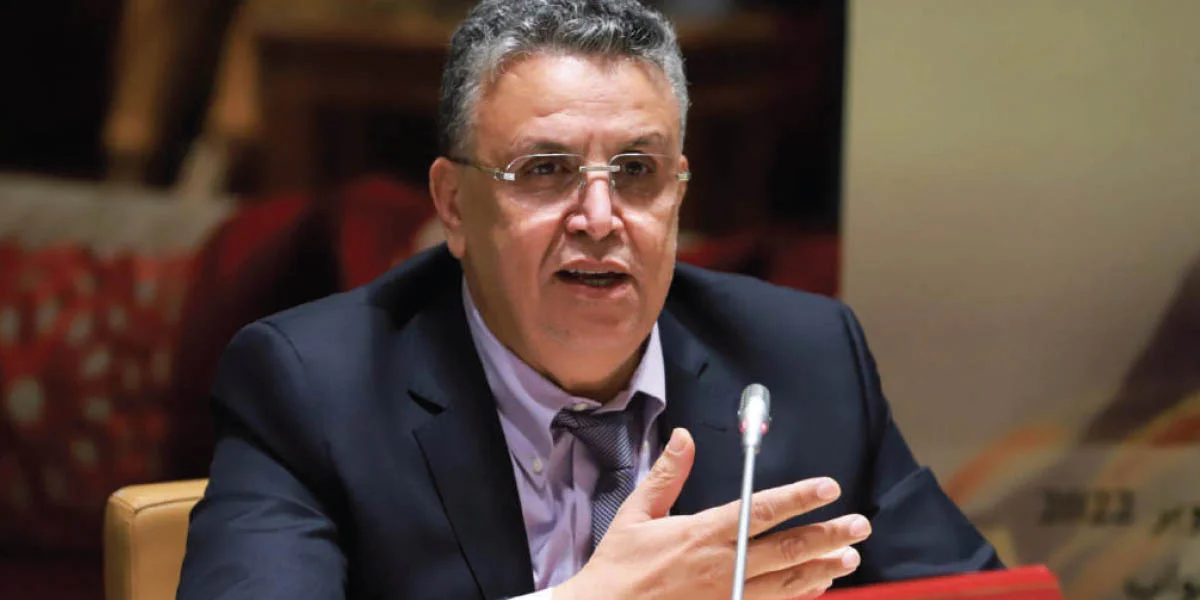
The Moroccan Minister of Justice, Abdellatif Ouahbi, has once again underscored his country’s claims over the cities of Ceuta and Melilla, asserting that Morocco seeks formal negotiations with Spain to address what Rabat views as its sovereign rights over these territories. Speaking in a recent interview, Ouahbi emphasized that the longstanding issue remains “on the table,” part of a patient, dialogue-driven strategy pursued by Moroccan authorities over time, particularly during bilateral meetings with Spanish officials.
Migration surge triggers diplomatic friction
During the same discussion, the minister highlighted the recent surge of unauthorized crossings into Ceuta on July 30 and 31, calling on Spain to fulfill its obligations by ensuring the repatriation of unaccompanied Moroccan minors. He also criticized Spain’s expectations for Morocco to curb irregular migration, noting that once individuals reach Spanish soil, they gain access to legal procedures—contradicting the notion that Morocco should act as a “border guard” for Europe.
Ouahbi further stressed the need for both nations to align on legal frameworks and operational mechanisms to combat unauthorized migration, rejecting the premise that Morocco should bear sole responsibility for preventing departures.
Spain firmly rejects territorial claims
In response, the Spanish Ministry of Foreign Affairs swiftly dismissed Morocco’s sovereignty claims, declaring in an official statement that the status of Ceuta and Melilla is “not open for discussion and will never be.” The ministry reaffirmed that both cities are “integral parts of Spain’s internationally recognized territorial integrity.”
Spanish officials divided in public reactions
During a visit to Ceuta, Spain’s Foreign Minister José Manuel Albares avoided addressing the sovereignty dispute, instead focusing on the immediate migration challenges. He acknowledged Morocco’s willingness to accept the return of unaccompanied minors involved in the recent crossings, signaling cautious cooperation despite underlying tensions.
Contrastingly, Juan José Imbroda, President of Melilla and a member of the opposition Popular Party (PP), issued a sharp rebuke. “What purpose do Ceuta and Melilla serve if you cannot manage what you have and your youth are fleeing?” he questioned, framing the migration crisis as an international embarrassment for Morocco. Imbroda urged Rabat to handle the situation “with dignity.”
Shared responsibility in migration crisis
The Moroccan Ministry of the Interior countered by emphasizing the “shared responsibility” of both nations in managing mass crossings to Ceuta. In a press statement, it warned against online calls for further attempts on August 15, stressing that combating irregular migration and human trafficking cannot fall solely on one party. The ministry highlighted the need for collaborative efforts to address the root causes of these movements.