
The Moroccan government has taken decisive steps to modernize national identification and urban mobility regulations. In a significant move, the Council of Government approved two groundbreaking decrees during its latest session in Rabat, addressing both the enhancement of passport security and the regulation of electric scooters.
Next-generation biometric passports to combat fraud
The first decree, presented by Interior Minister Abdelouafi Laftit, introduces a revised framework for Moroccan biometric passports. This updated version incorporates advanced security features designed to combat fraud and document falsification while proudly showcasing the country’s rich cultural identity.
The new regulations stipulate that a joint ministerial order from the Interior and Foreign Affairs ministries will establish the precise issuance procedures for these enhanced passports. Existing biometric passports will remain valid until they naturally expire and are replaced through the renewal process.
Electric scooters now under strict traffic regulations
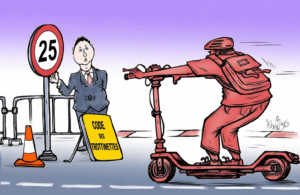
In a parallel initiative, the government has moved to regulate the rapidly growing use of electric scooters in urban areas. The second decree modifies the Highway Code to include provisions specifically targeting these personal mobility devices.
The new rules impose several critical safety measures:
- Speed limit: Electric scooters are now restricted to a maximum speed of 25 km/h
- Safety equipment: Riders must wear certified helmets at all times
- Distraction prevention: The use of headphones or earbuds while riding is strictly prohibited
- Age restrictions: Children under eight years old are barred from operating scooters on public roads
- Child transport: Specific equipment requirements for transporting young children
Balancing innovation with public safety
Government officials emphasize that these regulatory updates represent an essential adaptation to the evolving urban mobility landscape. The measures aim to create a clear legal framework that fosters innovation while ensuring user safety and equitable sharing of public space.
By implementing these comprehensive regulations, authorities anticipate a significant reduction in risky behaviors and a safer environment for all road users in Morocco’s growing urban centers.