
N’Djamena’s wedding scene is undergoing a cultural metamorphosis, with Sudanese-influenced customs increasingly shaping matrimonial celebrations. This shift has sparked debates about the future of Chad’s cherished traditions, as modern wedding practices gradually overshadow local heritage.
Sudanese influences reshape N’Djamena weddings
In recent years, many weddings in Chad’s capital have adopted practices typically associated with Sudanese culture. The groom now receives henna designs on his hands and feet, mirroring the bride’s treatment. The couple often arrives at the ceremony together, with the groom carrying the bride into the venue and later lifting her again at home. Days after, another event is held where he presents jewelry to his spouse in the presence of both families. These customs, now commonplace in N’Djamena, reflect Sudanese wedding traditions.
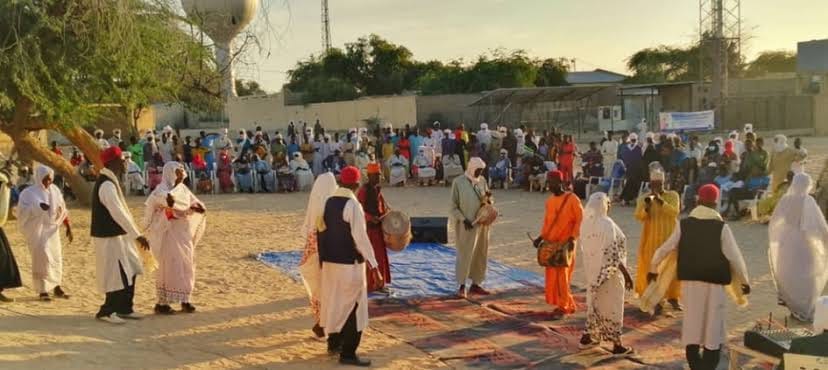
Traditionally, Chadian weddings were rooted in community guidance and familial respect. The bride-to-be stayed largely separated from her future husband after the dowry was settled. On the wedding day, she would be escorted by her mothers and grandmothers, who imparted wisdom on patience, household duties, forgiveness, and marital responsibilities. A week later, her family would symbolically entrust her to neighbors, who were expected to guide and encourage her in her new life—fostering strong communal bonds.
Modern celebrations vs. cultural heritage
The entertainment at weddings has also evolved. The once-dominant griots, drums, and traditional songs—narratives of community history—are being replaced by contemporary performances. Elders express concern that this change weakens the transmission of cultural knowledge to younger generations.
In districts across N’Djamena, weddings now follow Sudanese-inspired codes: elaborate decorations, attire, henna sessions, modern music, and staged couple introductions. The line between Chadian and Sudanese weddings has blurred, leaving some guests struggling to differentiate the two.
Voices from the community
A local elder from the Bololo neighborhood shared, « A traditional Chadian wedding was once a life lesson. The elders spoke, the youth listened, and everyone left wiser. Today, the focus is on spectacle over substance. »
Maman Azma, a mother and director of the Lamy Fortain association, echoed these concerns: « Our daughters are familiar with foreign customs, yet many no longer know the traditions their grandmothers practiced. If we fail to pass them down, they will vanish. »
A newlywed man, however, saw value in cultural exchange: « We adopt beautiful traditions from other cultures without rejecting our own. The key is to preserve the core values of marriage. »
Balancing openness and preservation
This transformation raises a critical question: How can Chad preserve its cultural identity while embracing global influences? Heritage experts argue the solution lies not in rejecting external customs but in ensuring Chadian traditions remain alive for future generations. The challenge is to integrate innovation without erasing the past.