
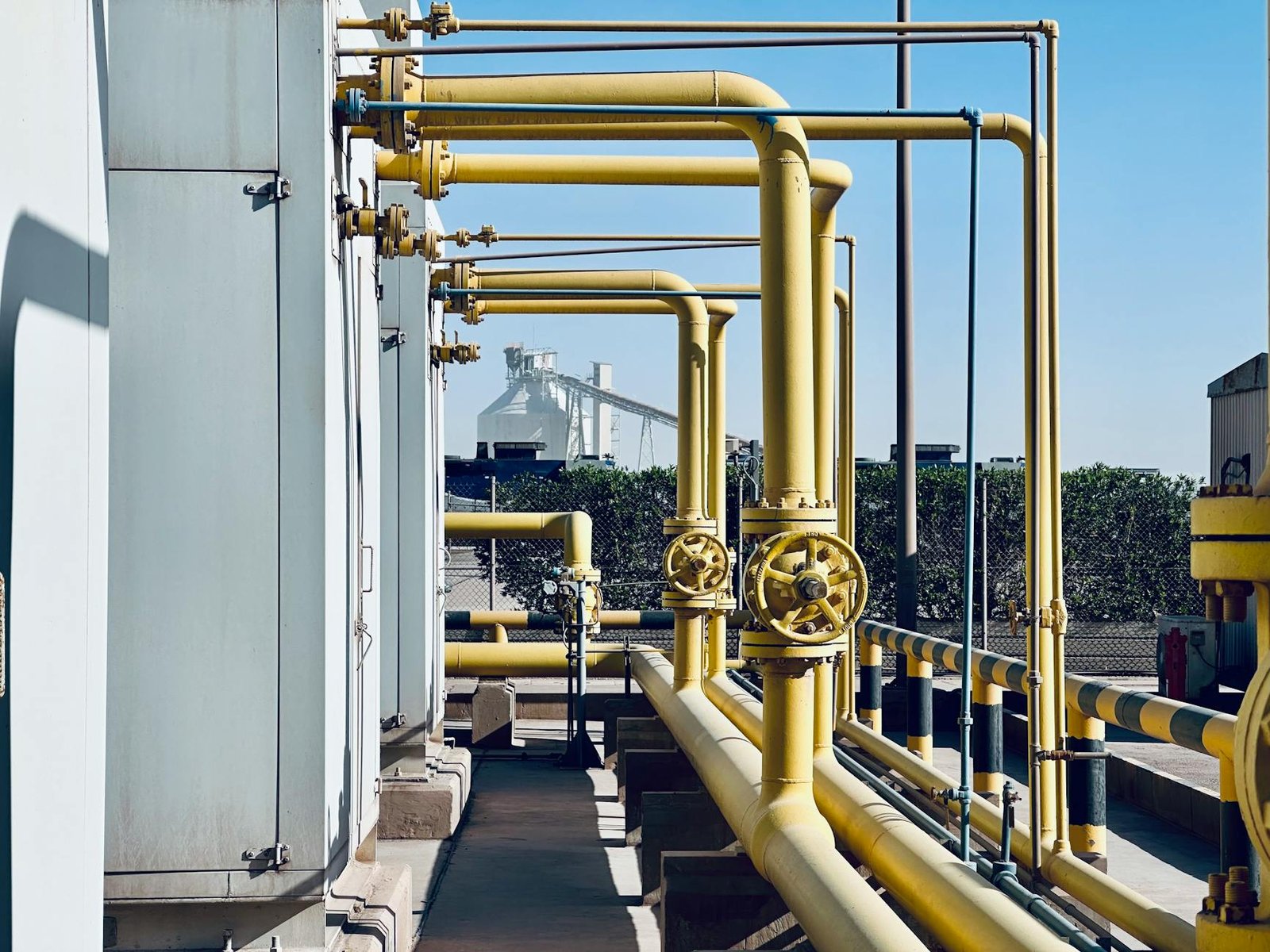
The Niger and Algeria have taken a significant step forward in their energy collaboration by finalizing three key cooperation agreements. This landmark signing, part of a broader bilateral dialogue between the two Sahel-Saharan nations, underscores a shared commitment to hydrocarbon development, refining, and workforce training. For Niamey, which has been recalibrating its partnerships following recent shifts with Western allies, this alliance with Algiers represents a pivotal diplomatic milestone.
Three agreements to solidify the Niamey-Alger axis
The newly signed frameworks span critical segments of the energy value chain, from upstream exploration activities to the technical expertise required for industrial project execution. Niger, a key producer of oil and uranium, is leveraging these agreements to maximize the potential of its natural resources by partnering with operators renowned for their expertise in similar geological terrains. Algeria, home to Sonatrach—a leading African hydrocarbons player—brings precisely this level of proficiency, having successfully deployed it across multiple countries on the continent.
Beyond technical dimensions, these accords lay the groundwork for a meaningful transfer of knowledge to Nigerien engineers and technicians. Capacity building remains a pressing need for a nation still grappling with retaining sufficient added value from its extractive industries. The prospect of Algerian mentorship in refining and petroleum services directly addresses a priority identified by the transitional authorities in Niamey since July 2023.
A shared strategic vision in the Sahel
The diplomatic momentum reflects Algeria’s broader strategy toward its southern neighbors. For years, Algiers has pursued an active engagement policy in the Sahel, fostering economic bridges with Mali, Mauritania, and now Niger. The latter shares a nearly 1,000-kilometer border with Algeria, granting it a pivotal role in regional security, migration management, and cross-border economic cooperation.
For Nigerien leadership, deepening ties with Algeria aligns with a deliberate push for diversification. Since the political transition last summer, Niamey has reoriented its diplomatic efforts toward capitals perceived as more aligned with its sovereignty goals. The combination of geographic proximity, Algeria’s crisis mediation experience, and the resilience of its energy sector forms an appealing formula for a nation seeking operational stability.
Hydrocarbons, refining, and regional value chains
Energy cooperation between the two countries could pave the way for future infrastructure projects, including regional interconnections. The long-discussed Trans-Saharan Gas Pipeline, involving Algiers, Niamey, and Abuja, remains on the regional agenda, though its realization faces formidable financial, security, and technical hurdles. The recently signed agreements may serve as a preparatory phase, fostering institutional dialogue between relevant ministries and national operators.
Niger, whose commercial oil output surged following the activation of the export pipeline to Benin’s Sèmè port, is now focused on securing new markets and expanding its industrial partnerships. Collaborating with Sonatrach and Algerian training institutions could accelerate the development of local refining capacities and enhance technical governance in the sector.
The true impact of these agreements will hinge on their practical implementation, execution timelines, and financial backing. Experience shows that in African energy relations, declarations often outnumber delivered projects. For both Niamey and Algiers, the challenge now is to convert these signed texts into tangible, measurable initiatives that generate skilled employment and sustainable growth.