
After years of diplomatic standoff and economic strain, a fresh chapter is unfolding between Niger and Benin. Recent high-level talks in Cotonou signal a potential resolution to one of West Africa’s most disruptive border closures.
The two-day negotiations, concluded over the weekend, addressed core issues that had kept the 1,500-kilometer border sealed since mid-2023. Among the breakthroughs: impending agreements on security cooperation, tax exemptions for transit goods, and the removal of trade barriers that have crippled local economies on both sides of the divide.
what the latest talks revealed
A senior delegation led by General Mohamed Toumba, Niger’s Interior Minister, engaged in intensive dialogue with Beninese officials. The meetings centered on restoring trust and rebuilding a shared vision for regional stability. Key outcomes include:
- Formal commitments to reopen the border crossing points as soon as administrative approvals are finalized
- Exemption of transit fees for goods moving between the two nations
- Joint frameworks to prevent smuggling and regulate sensitive trade items
- Creation of a joint committee to resolve lingering legal and economic disputes
General Toumba emphasized the strategic importance of dialogue: “We’ve secured our security priorities first, then laid the groundwork for economic normalization. This is about delivering safety to our people and opportunity to our youth.”
romuald wadagni: the architect of rapprochement
The thaw began in early June when President Romuald Wadagni of Benin made a landmark visit to Niamey—just weeks after assuming office. This gesture broke three years of frozen relations and set in motion a series of confidence-building measures.
Within weeks, both governments activated a joint commission tasked with reviewing the causes of the 2023 closure. They pledged to lift all restrictions hampering trade, humanitarian flows, and cross-border mobility. “We are no longer two delegations,” said Oleshegun Adjadi Bakari, Benin’s Minister of Industry and Trade. “We are one team with one goal: to restore the deep historical bonds between our peoples.”
roots of a three-year rift
The crisis erupted in July 2023 following Niger’s military takeover, which ousted President Mohamed Bazoum. The new junta in Niamey accused Benin and other regional leaders of plotting a military intervention under ECOWAS leadership to reinstate constitutional order. These allegations were repeatedly denied by Cotonou and Paris.
Relations further deteriorated amid accusations of harboring foreign troops and supporting armed groups. Tensions peaked after a failed coup attempt in Benin in December 2023, which Niamey linked to destabilization efforts originating from across the border. The resulting sanctions and border closures turned a once-thriving trade corridor into a symbol of division.
human and economic toll
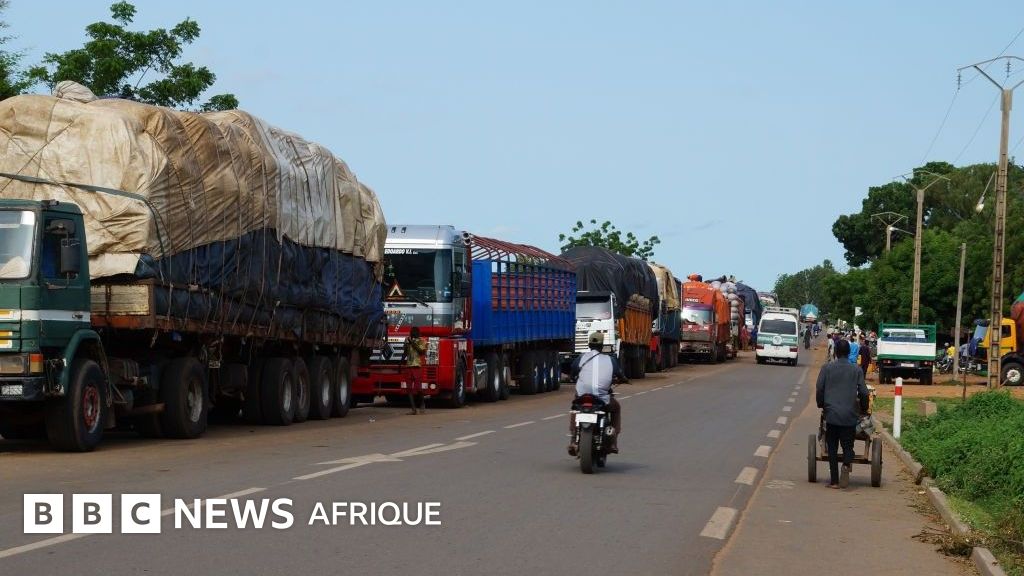
The closure hit hardest at the heart of West African commerce. The Cotonou port, lifeline for Niger’s import-export needs, saw a dramatic drop in activity. Long queues of stranded trucks stretched for kilometers at Malanville, where goods spoiled and drivers faced financial ruin.
“Our warehouses are empty,” said Ibrahim Abou Koura, a transporter based in Cotonou. “The corridor was once the most efficient route for goods heading to Niamey. Now, we’re losing everything.”
Niger, a landlocked nation, was forced to reroute vital supplies through Togo’s Port of Lomé—a costlier and riskier alternative that exposed drivers to jihadist threats in Burkina Faso.
Economic analysts warn that prolonged blockades undermine regional integration and deepen poverty on both sides. “When borders close, it’s the people who pay,” noted Gamatie Mahamadou, Secretary-General of Nigerian truckers. “No wheat, no fuel, no medicine—just empty markets and broken livelihoods.”
The path ahead is still paved with procedural steps, but both governments have expressed cautious optimism. If implemented, the agreements could restore a vital artery of West African trade and rekindle a partnership rooted in shared history and mutual interest.