

Niger healthcare breakthrough: reducing medical evacuations abroad
Once considered an unavoidable necessity due to local healthcare limitations, medical evacuations abroad may soon become the exception rather than the rule in Niger. This shift is unfolding under the strategic guidance of Health and Public Hygiene Minister, Colonel-Major Garba Hakimi, as the country embarks on an ambitious mission to fortify its domestic medical capabilities.
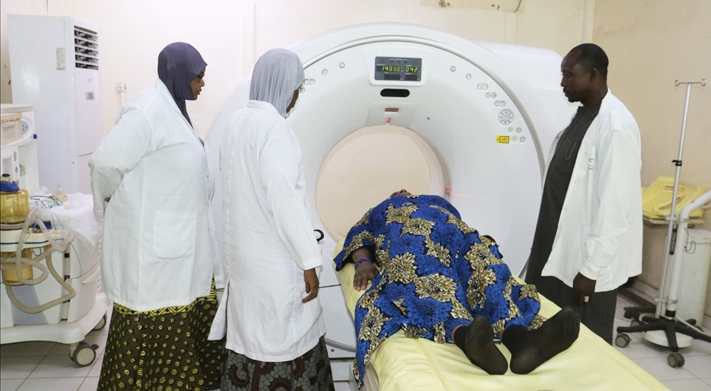
The transformation is anchored in the acquisition of cutting-edge medical equipment including 64-slice CT scanners, MRI machines, and linear accelerators for radiotherapy. Nowhere is this progress more evident than in cancer treatment, where Niger has established all three essential pillars of care—surgery, chemotherapy, and radiotherapy—within its borders. This development significantly reduces the need for costly and often inaccessible overseas evacuations that many families previously faced.
The same breakthrough pattern is emerging in cardiology, where complex heart surgeries are now performed locally at a fraction of the cost of treatments abroad. Beyond the medical achievement, this represents a fundamental shift in healthcare philosophy: Niger is increasingly treating conditions domestically that were previously outsourced.
This enhancement of national medical infrastructure carries profound social and economic implications. By reducing the financial burden on families and making specialized care more accessible, the initiative strengthens both healthcare equity and national sovereignty. While ultra-specialized cases may still require foreign treatment, the trajectory is unmistakable: Niger is methodically building domestic medical autonomy.
Through substantial investments in equipment, personnel training, and specialized care capacity, the country is charting a clear course: treating at home what was once treated abroad. The message is unequivocal—the future of Niger’s healthcare lies within its own borders.