
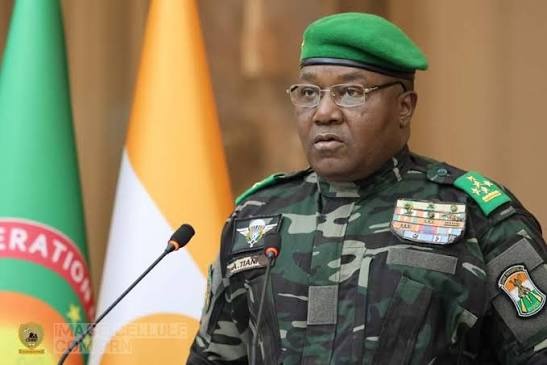
The military regime in Niger has ignited fierce public debate and growing concern over the future of free expression after unveiling sweeping new controls on digital media and foreign journalists. Framed as a move to protect national sovereignty, the CNSP’s latest ordinance is widely seen as a decisive step toward total information lockdown—triggering alarm among citizens, media advocates, and regional observers alike.
Public outcry grows over digital censorship
Under the guise of combating misinformation and modernizing media laws, the National Council for the Safeguard of the Homeland (CNSP) has granted itself unchecked authority over online journalism. Independent bloggers, citizen reporters, and digital outlets—once vital spaces for dissent in a landscape where traditional media already toe the official line—are now at risk of arbitrary shutdowns or prosecution.
Critics argue that vague terms like “false information” and “professional responsibility” serve as legal traps, allowing the junta to silence any narrative that challenges its version of events. With no independent judiciary to oversee enforcement, the state alone decides what constitutes truth—a shift many describe as institutionalized conformity disguised as regulation.
Foreign press faces unprecedented restrictions
The new rules also impose stringent accreditation requirements on international correspondents, mandating strict identification protocols and activity tracking. While officials cite national security and anti-interference measures, analysts view this as a deliberate strategy to curate external coverage and exclude critical voices.
By controlling who can report from within Niger and under what conditions, the regime effectively constructs a media blackout—one where only state-approved narratives reach global audiences. This isolation tactic not only distorts international perception but deepens domestic uncertainty, cutting citizens off from diverse perspectives during a pivotal political moment.
A fearful regime’s long-term gamble
Equating information control with national sovereignty reveals more about the junta’s insecurity than its strength. Rather than demonstrating resilience, the crackdown exposes fragility: a government so threatened by open discourse that it resorts to digital authoritarianism.
Observers warn that suppressing press freedom doesn’t fortify patriotism—it erodes democratic foundations. As Niger drifts further into informational isolation, the population faces a stark choice: comply in silence or risk reprisal for speaking out. The real cost isn’t just lost headlines; it’s the slow suffocation of civic life itself.
What comes next?
With civil society groups mobilizing quietly and regional bodies monitoring developments closely, the coming weeks could determine whether resistance gains momentum or retreats underground. One thing is clear: the battle for Niger’s information space has become a defining front in the struggle for its post-coup future.