
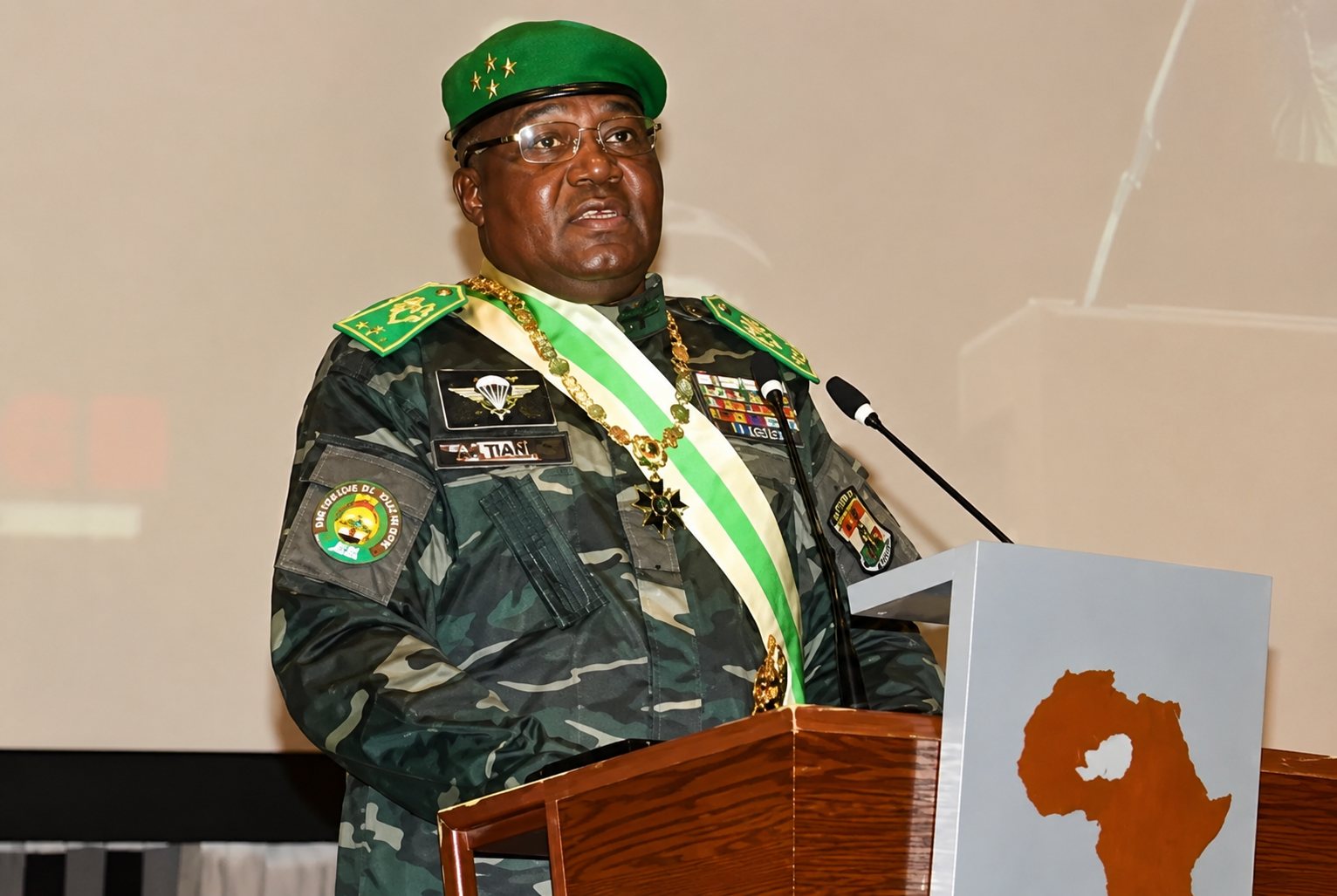
For three years, Niger has been mired in a deepening political, economic, and security crisis under the rule of a military junta that seized power in July 2023. What was billed as a historic turning point to restore national sovereignty and strengthen security has instead left citizens grappling with worsening hardships. Promises of economic revival, security improvements, and national unity remain largely unfulfilled, with daily life for many Nigeriens growing increasingly difficult.
The junta has repeatedly emphasized restored sovereignty and a break from Western partnerships. Yet, behind the rhetoric, a significant portion of the population faces persistent economic decline, regional tensions, and diplomatic isolation. These compounding challenges continue to deepen uncertainties across the country.
Economic strain and the growing burden on households
The economic fallout from the past three years has impacted nearly every sector. Trade disruptions with neighboring countries, supply chain difficulties, and early sanctions have all contributed to a sharp decline in economic activity. Many businesses have scaled back operations or shuttered entirely, while job opportunities have dwindled.
In local markets, families are struggling with soaring prices for food, fuel, and everyday essentials. Purchasing power has eroded steadily, making each month harder than the last. Local governments, traders, and farmers face financing challenges, limited access to credit, and an overall climate of economic uncertainty that stifles private initiative and investment.
Public freedoms under severe strain
Human rights advocates warn of a shrinking civic space, where dissent can lead to legal repercussions or arrests. Independent media operate in an increasingly restrictive environment, with journalists reporting intimidation and professional constraints. Public protests are heavily controlled, and political gatherings remain tightly restricted, limiting avenues for opposition and civil society expression.
In this climate, many citizens choose silence out of caution, while others flee the country in search of stability.
Security concerns persist despite military claims
The junta positioned counterterrorism as a central justification for its takeover. However, despite military restructuring and new security partnerships, armed group attacks continue to plague several regions. Border communities face ongoing violence, forced displacements, and limited access to basic services. Many villages remain trapped in perpetual insecurity, disrupting agriculture, education, and livelihoods.
This persistent threat raises serious doubts about the effectiveness of the government’s security strategy over the past three years.
A leadership struggling to connect with reality
The recent televised address by General Abdourahamane Tiani highlighted the widening disconnect between official narratives and public expectations. Rather than outlining concrete measures to address security or economic woes, the head of the junta focused heavily on external threats and casting blame on foreign actors.
Analysts view this approach as a sign of the regime’s inability to deliver on its core promises. As hardships mount, more Nigeriens are shifting their focus from assigning blame to demanding tangible solutions.
A political landscape increasingly closed off
The prolonged military rule has been accompanied by a tightening grip on political life. The absence of a clear timeline for a return to civilian governance fuels concerns about the country’s institutional future. Political parties operate with severely restricted influence, and public debate remains stifled.This centralization of power has raised fears of a lasting drift away from democratic oversight and citizen participation.
Three years later: a reckoning with unmet expectations
After three years, the transition’s initial promises stand in stark contrast to the harsh realities of daily life. The economy remains fragile, living costs continue to burden households, public freedoms are increasingly restricted, and insecurity persists in many areas.
For many Nigeriens, the priority is no longer political debates but reclaiming stability, security, and economic prospects. Calls for accountability, dialogue, and concrete action to address pressing concerns are growing louder by the day.