
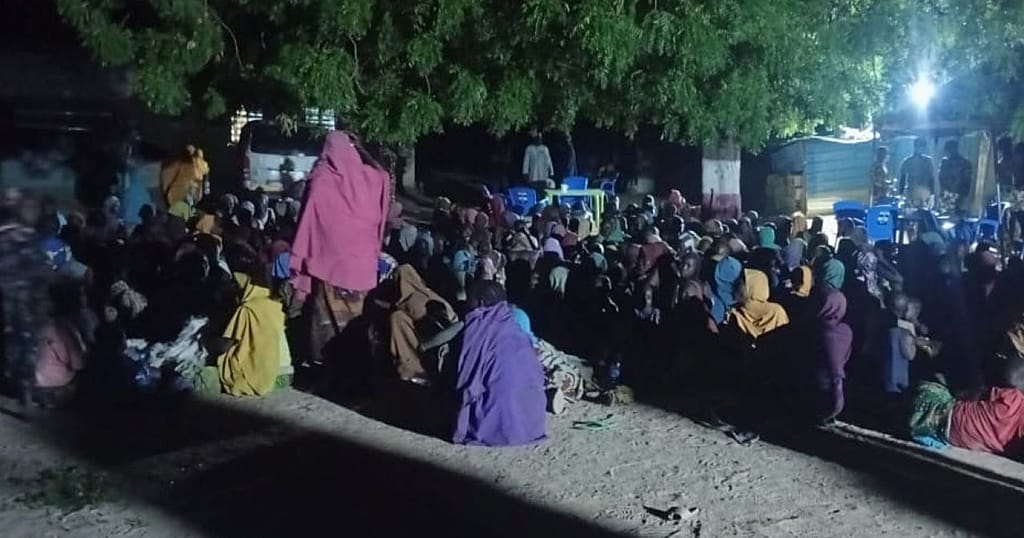
Massive release of captives in Borno State
A major breakthrough occurred this weekend in northeast Nigeria as hundreds of individuals, previously seized by Boko Haram militants, were finally liberated.
The group, consisting of 416 women and children, had been taken from the Ngoshe locality in Borno State earlier this year. Their release on Saturday marks a significant moment in the ongoing struggle against the insurgency that has plagued the region for 17 years.
Samaila Kaigama, who leads the Borno South Youth Alliance (BOSYA), confirmed that his organization helped facilitate the return of those kidnapped from Ngoshe. Senator Mohammed Ali Ndume also verified that the victims are no longer in insurgent hands.
Challenging conditions and tragic outcomes
While the return of so many is a relief, the period of captivity was marked by extreme hardship. The victims were held in the rugged terrain of the Gwoza hills, located less than 10 kilometers from the border with Cameroon. This area has long served as a stronghold for extremist factions.
Tragically, the ordeal proved fatal for two infants. Daniel Bwala, representing the presidency, noted that the children died from sheer exhaustion caused by the harsh environment and the duration of their time in the bush.
Military officials indicated that the operation involved more than just physical force. Intelligence gathering and “psychological operations” were utilized to create internal friction among the insurgents prior to the final phase of the rescue mission.
The persistent crisis of abductions
Kidnapping remains a central pillar of the tactics used by various armed groups across Nigeria, including jihadists and criminal gangs. Although the militants in this case demanded millions of nairas for the release of the Ngoshe residents, official government policy continues to deny the payment of ransoms.
However, the scale of the problem is immense. Estimates suggest that kidnapping for ransom generated approximately 1.66 million dollars between mid-2024 and mid-2025. Since the start of the Boko Haram uprising in 2009, the conflict has resulted in a staggering loss of life and the displacement of millions of citizens across the Lake Chad Basin.