

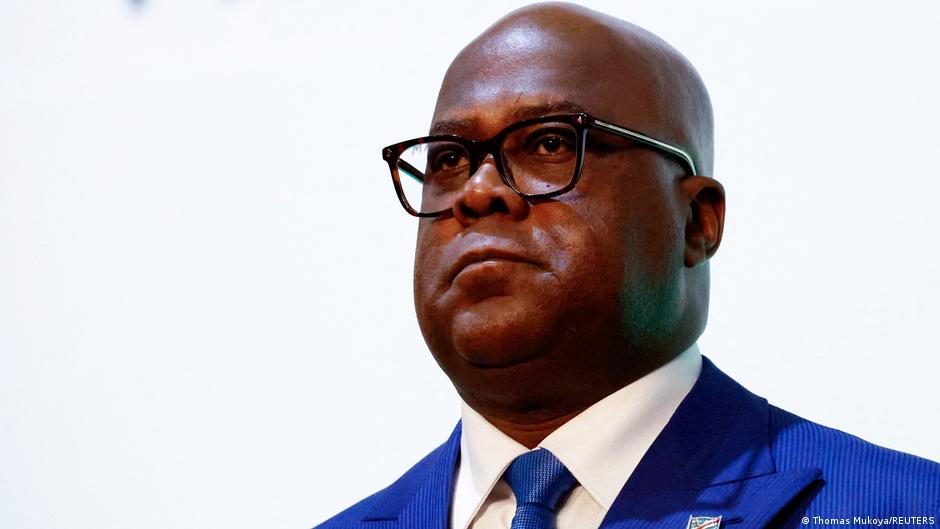
In a significant shift in strategy, Democratic Republic of the Congo (DRC) President Félix Tshisekedi has formally endorsed the idea of a nationwide, inclusive political dialogue. The announcement, made on July 17, 2026, following a meeting with religious leaders, signals a potential turning point in addressing the country’s most pressing challenges.
During the press briefing, Tshisekedi outlined key areas of focus for the upcoming discussions, which include:
- Eastern DRC’s escalating insecurity—marked by persistent armed group activity and humanitarian crises
- Deepening political tensions—driven by opposition demands for greater representation and accountability
- Governance shortcomings—highlighting the need for administrative reforms and decentralization
- Economic and social hardships—including unemployment, inflation, and infrastructure gaps
- Peace and democracy consolidation—through constitutional and electoral reforms
The framework for this dialogue remains under development. Critical details—such as the exact schedule, participant selection, agenda priorities, and logistical arrangements—are expected to be finalized via a presidential decree in the coming days.
Why this dialogue matters now
The initiative arrives at a pivotal moment for the DRC, where long-standing grievances have fueled unrest. Key objectives include:
- Rebuilding national unity amid ethnic and political divides
- Confronting the security vacuum in mineral-rich eastern provinces, where armed factions continue to exploit instability
- Restoring political calm by addressing opposition concerns through structured negotiations
- Mobilizing civic and institutional stakeholders to uphold constitutional governance while addressing urgent socio-economic needs
This move represents a marked departure from the government’s previous stance, which had dismissed calls for broad-based talks. For over a year, civil society groups, opposition coalitions, and religious institutions have pushed for such a forum, arguing it is essential to prevent further fragmentation.
The opposition coalition, C64, has welcomed the announcement but issued a warning: unless the dialogue is officially convened by August 15, 2026, mass protests will resume in Kinshasa. Leaders emphasize that without tangible progress, public frustration could escalate into broader unrest.
Voices shaping the debate
To assess the potential impact of this initiative, a panel of experts joined a live discussion on the prospects for political reconciliation in the DRC. The participants—each bringing a distinct perspective—offered nuanced insights into the challenges and opportunities ahead.
- Bob Kabamba, Political Science Professor at the University of Liège (Belgium), specializing in African governance and conflict resolution
- Martin Ziguélé, Former Prime Minister of the Central African Republic and leader of the Central African People’s Liberation Movement (MLPC), with extensive experience in post-conflict stabilization
- Trésor Kibangula, Political Director of Ebuteli—a Kinshasa and Goma-based think tank focused on governance, violence, and policy analysis in the DRC