
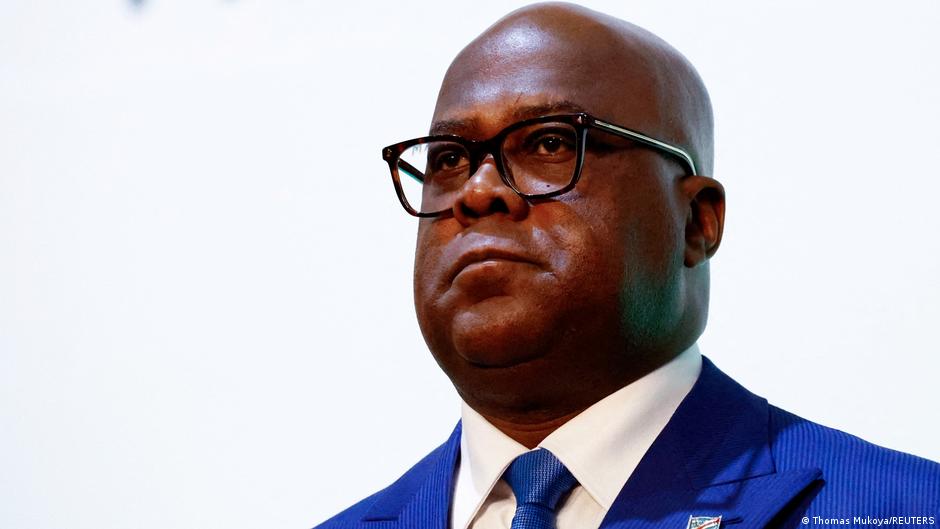
The President of the Democratic Republic of Congo, Félix Tshisekedi, has formally endorsed the organization of a nationwide inclusive, peaceful, and constitutional dialogue. This landmark announcement followed a key meeting with religious leaders from across the country. The upcoming discussions aim to address pressing national challenges, including:
- ongoing insecurity in the eastern regions;
- political divisions and tensions;
- governance inefficiencies;
- economic and social hardships affecting citizens;
- essential reforms required to strengthen peace and democracy.
While the initiative marks a significant shift in the government’s approach, several critical details remain unclear:
- the exact date for the dialogue;
- the list of participants expected to attend;
- the final agenda of discussions;
- the organizational framework, which will be outlined in a presidential decree.
the rationale behind the dialogue
This initiative seeks to achieve several key objectives:
- uniting a divided nation around shared values and goals;
- addressing the persistent security crisis in eastern DRC;
- creating a more stable and cooperative political environment;
- bringing together diverse stakeholders—political, civil society, and religious—within the bounds of the Constitution.
The move is seen as a major step forward, especially after more than a year of persistent calls from various quarters—churches, parts of the opposition, and civil society—for a national dialogue. The opposition coalition has welcomed the announcement and postponed a planned demonstration in Kinshasa originally set for July 22, 2026. However, they have set a firm condition: the President must officially convene the dialogue before August 15, 2026, or risk renewed public mobilization.
In an in-depth discussion on the potential impact of this initiative, Bob Kabamba, political science professor at the University of Liège, Martin Ziguélé, former Prime Minister of the Central African Republic and leader of the Central African People’s Liberation Movement, and Trésor Kibangula, political director at Ebuteli—a Kinshasa and Goma-based think tank focusing on governance, politics, and violence in the DRC—shared their perspectives.
Listen to the full discussion by clicking on the audio player above.