
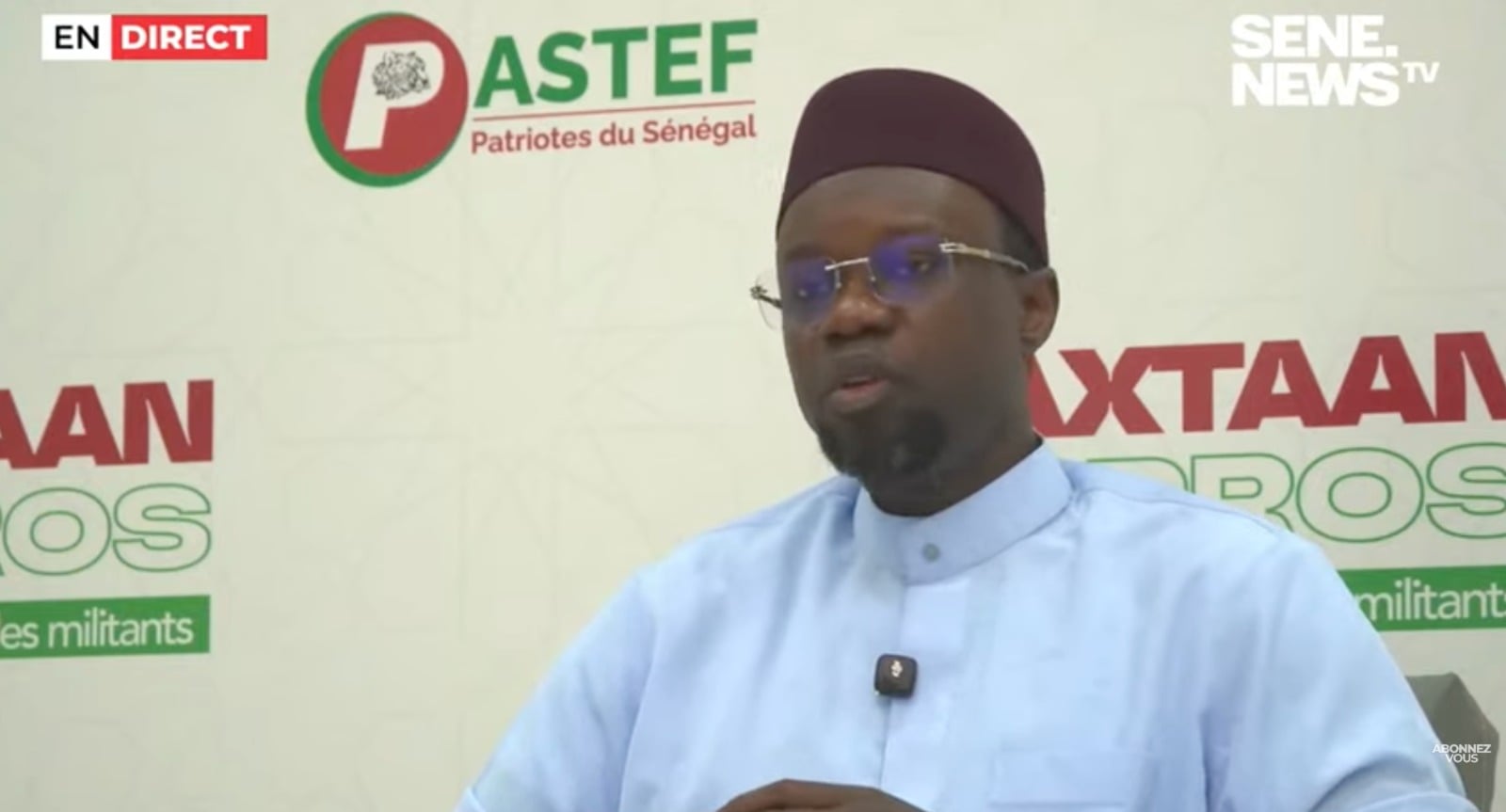
Why Ousmane Sonko’s Friday address could redefine Senegal’s political landscape
This Friday, Ousmane Sonko is set to deliver a highly anticipated address at Senegal’s National Assembly, amid escalating political tensions following recent electoral code revisions. The debate promises to be intense as opposition factions challenge amendments they argue could disrupt the nation’s electoral framework.
Ousmane Sonko’s appearance at the National Assembly this Friday marks a pivotal moment in Senegal’s political calendar, coinciding with heated discussions around revisions to electoral articles L.29 and L.30. The timing couldn’t be more critical, coming just after these amendments were passed into law, triggering sharp reactions from both sides of the aisle.
The Prime Minister’s presence in the chamber is expected to clarify the government’s stance on these controversial changes, particularly their impact on voting rights and political eligibility. Opposition leaders have already signaled their intent to scrutinize every detail, with some framing the amendments as an attempt to manipulate electoral outcomes.
While the official agenda includes pressing national issues like the economy, security, and social welfare, the electoral reforms are poised to dominate discussions. Sonko’s address will likely serve as a defining moment for his administration, as he seeks to justify the legality and necessity of the revisions while addressing concerns about institutional fairness.
Navigating economic uncertainty amid political strife
Beyond the political wrangling, Senegal faces economic headwinds that heighten the stakes of this address. The recent reforms arrive at a time when the country is grappling with social demands and the need to sustain investor confidence. International observers are closely watching, wary of any policies that could undermine stability or deter foreign investment.
The government must now strike a delicate balance: reassuring citizens and investors alike that these electoral changes won’t derail progress while defending the rationale behind them. With geopolitical tensions simmering in other regions, stability has never been more critical for Senegal’s development trajectory.