
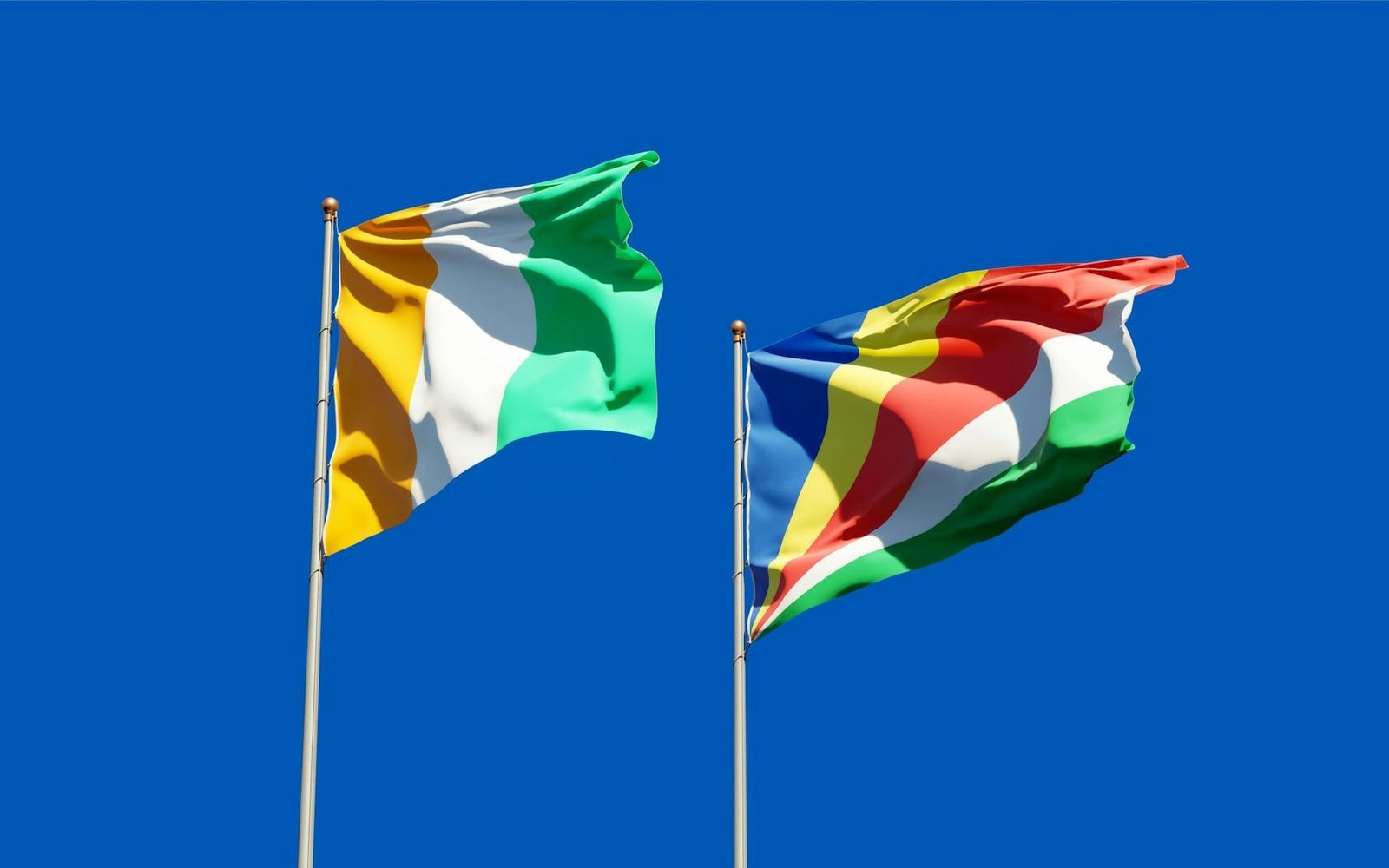
The presidential election in Côte d’Ivoire unfolded amidst a palpable tension, yet concluded without significant disruptions, according to initial reports from Abidjan. Polling stations across the entire national territory welcomed voters under a heightened security presence and increased vigilance from authorities. As the day drew to a close, no major incidents had been reported, a relief given the widespread concerns about potential community or post-electoral tensions that had been a focus of analysis in the preceding weeks.
A high-stakes election for Ivorian stability
This Ivorian electoral period was observed with particular scrutiny. As the leading economy within the West African Economic and Monetary Union (UEMOA), the nation still bears the scars of the 2010-2011 post-election crises and the violence that marred the 2020 poll. Political actors, civil society organizations, and international partners all harbored fears of escalation, particularly in urban areas known for their sensitivity. The campaign itself had been punctuated by sharp verbal exchanges and sporadic demonstrations, fueling a climate of mistrust between the ruling party and the opposition.
The extensive deployment of defense and security forces, combined with the mobilization of national and international observers, played a crucial role in mitigating these risks. Electoral authorities had issued numerous appeals for calm as election day approached, while political headquarters urged their supporters to exercise restraint. This de-escalation strategy appears to have yielded positive results in the immediate hours following the closure of polling stations.
Voter turnout under watch, vote count scrutinized
Beyond the relative calm observed during the voting process, attention now shifts to the counting and centralization of results. This phase is traditionally where disputes often emerge, and tensions are most likely to ignite. The Independent Electoral Commission (CEI) faces the critical task of publishing results deemed credible by all stakeholders; failure to do so could render the post-electoral period more challenging than the election itself.
Western and African diplomatic missions, particularly those from the Economic Community of West African States (ECOWAS), are closely monitoring the unfolding situation. For Abidjan, the implications extend far beyond national borders. Côte d’Ivoire serves as a regional anchor in an area destabilized by a succession of constitutional ruptures in the Sahel and the shifting diplomatic alliances between Bamako, Ouagadougou, Niamey, and their coastal neighbors.
A pivotal test for West African democracy
The outcome of this presidential election will have repercussions reaching well beyond Ivorian frontiers. In a sub-region where several states have experienced military coups in recent years, holding a pluralistic election free from major violence sends a significant political message. International investors, whose confidence profoundly impacts the country’s macroeconomic trajectory, are particularly attentive to the quality of the process and the institutional robustness that will emerge.
Nevertheless, the most delicate phase has now begun. The proclamation of results, their acceptance by unsuccessful candidates, and the handling of any appeals before the Constitutional Council will serve as the true indicators of the nation’s democratic maturity. Recent regional precedents, from Sénégal to Guinée-Bissau, have underscored how quickly the post-electoral sequence can destabilize.
In concrete terms, the coming days will reveal whether Côte d’Ivoire can solidify its status as a pillar of stability in a West Africa undergoing significant political realignments. The calm observed on election day represents a fragile achievement, one that must be affirmed by the institutions’ capacity to serenely arbitrate future disputes.