
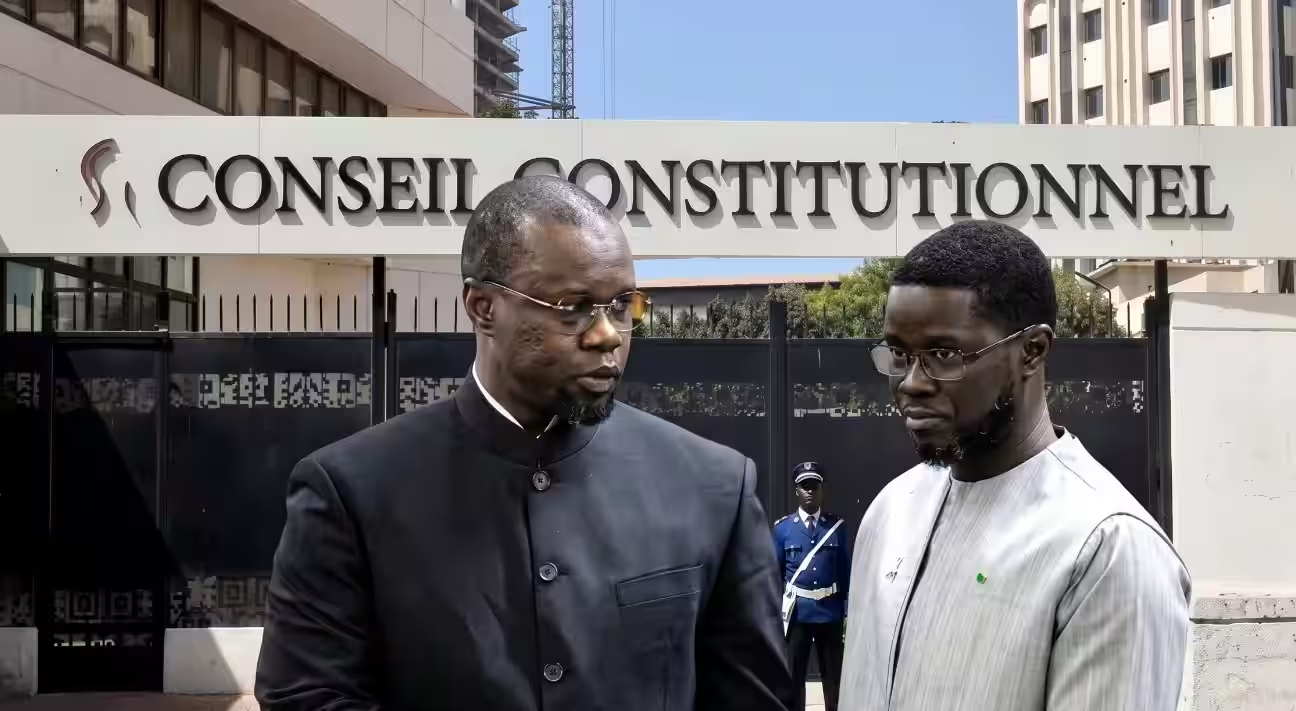
Ousmane Sonko’s reintegration: unraveling the constitutional council’s ruling
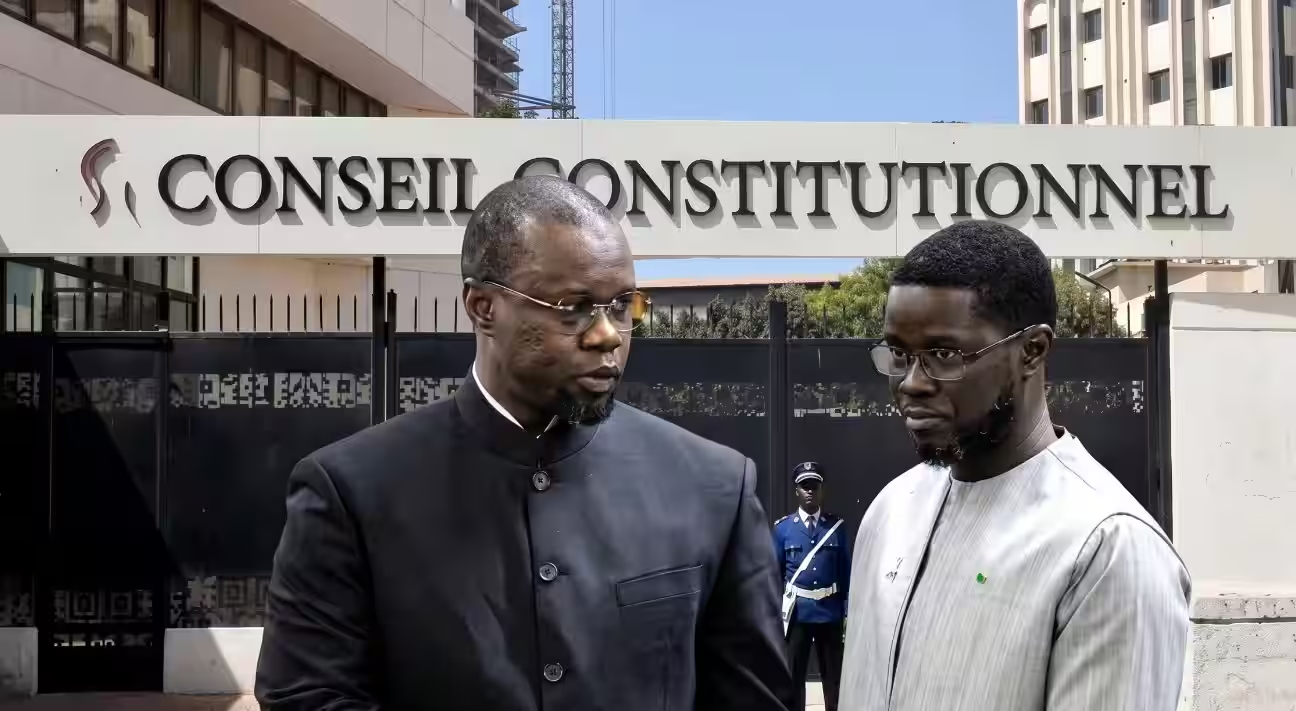
The Constitutional Council‘s decision to reinstate Ousmane Sonko to the National Assembly has sparked intense debate within Senegal’s legal circles. This ruling, seemingly procedural, raises deeper questions about the consistency of constitutional institutions when faced with pivotal legal challenges.
Beyond the surface: procedural justification or strategic shift?
The verdict, delivered on June 17, 2026, centers on Ousmane Sonko’s reintegration into the National Assembly. While the Council cited procedural incompetence as the basis for its decision, legal experts argue this interpretation may conceal a more deliberate shift in constitutional jurisprudence. The ruling has exposed tensions within the Council’s own trajectory, particularly when compared to its earlier, more assertive stance during the February 2024 institutional crisis.
A tale of two judicial moments
The decision has drawn sharp contrasts between two key phases in the Council’s recent history. In the past, the body adopted an expansive role, positioning itself as a regulator of institutional balance and a guardian of stability. Critics now suggest the recent ruling reflects a restrictive approach, prioritizing narrow legal qualifications over broader constitutional principles. The heart of the controversy lies in this perceived departure from the Council’s previous activism.
Examining the legal reasoning
The Council’s justification hinges on procedural grounds, yet legal scholars highlight inconsistencies in its reasoning. The decision appears to sidestep substantive constitutional questions, raising concerns about the Council’s ability to address systemic institutional challenges. This development has left many questioning whether the body is retreating from its role as a counterbalance to political power.
As Senegal’s political and legal landscapes evolve, the Council’s ruling on Ousmane Sonko’s case continues to fuel discussions about the judiciary’s independence and its capacity to uphold constitutional values in times of crisis.