
Chad’s political landscape remains tense as the transitional government, led by Mahamat Idriss Déby Itno, tightens its grip on power. Opposition figures face mounting challenges, caught between repression and internal divisions that weaken their ability to challenge the regime effectively.
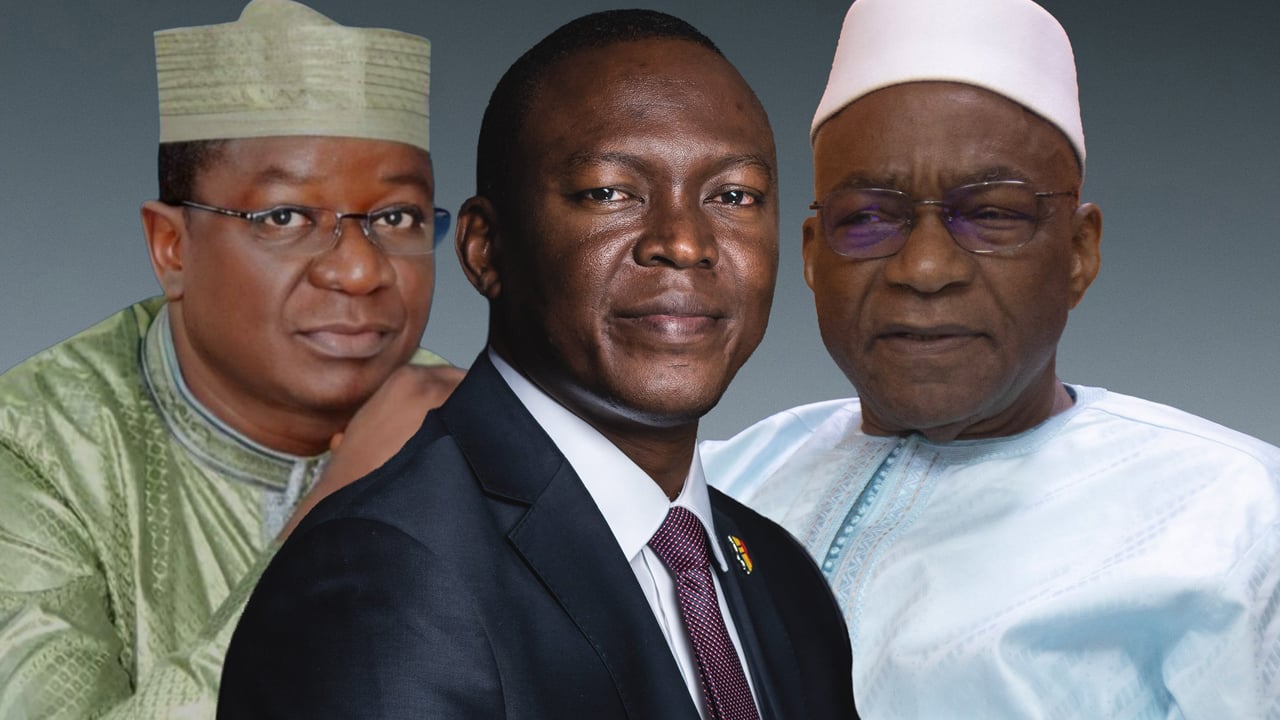
Despite the presence of prominent leaders like Albert Pahimi Padacké, Succès Masra, and Saleh Kebzabo, the opposition struggles to present a unified front. Dissenting voices are systematically suppressed, with crackdowns on protests and restrictions on public gatherings becoming increasingly common.

Mounting pressures on opposition leaders
The transitional authorities have intensified measures to stifle dissent, with opposition figures frequently targeted. Albert Pahimi Padacké, a key political player, has faced legal harassment, while Saleh Kebzabo and Succès Masra have seen their movements restricted. These actions reflect a broader strategy to dismantle organized resistance.
Analysts note that the regime’s tactics include arbitrary arrests, forced exile, and the manipulation of legal frameworks to silence critics. Such measures have created an atmosphere of fear, discouraging public mobilization against the government.
Divisions within the opposition
Internal disagreements further weaken the opposition’s position. Fractures between political factions have delayed the formation of a cohesive alliance, leaving leaders unable to coordinate effectively. Some groups prioritize dialogue with the transitional government, while others advocate for more confrontational approaches.
This lack of unity has allowed Mahamat Idriss Déby Itno to consolidate power, with minimal resistance from fragmented opposition groups. The absence of a strong, unified alternative has emboldened the regime to pursue its agenda with little pushback.
Challenges in mobilizing public support
Beyond political repression, the opposition faces difficulties in gaining widespread public backing. Economic hardships and security concerns dominate daily life for many Chadians, leaving little room for political engagement. The regime has also leveraged state resources to control narratives, portraying itself as the sole guarantor of stability.
Without a compelling vision that resonates with the population, opposition leaders struggle to inspire meaningful change. Their inability to address pressing socio-economic issues has further eroded their credibility among ordinary citizens.
International dynamics and regional implications
The situation in Chad has broader regional consequences, particularly in the Sahel. The transitional government’s alignment with international partners has shielded it from scrutiny, allowing it to operate with minimal external pressure. Neighbors in the Sahel region watch closely, wary of potential spillover effects from Chad’s instability.
As Chad navigates this critical period, the opposition’s future remains uncertain. Without decisive action to unite and mobilize, their struggle against Mahamat Idriss Déby Itno’s regime appears increasingly futile.