
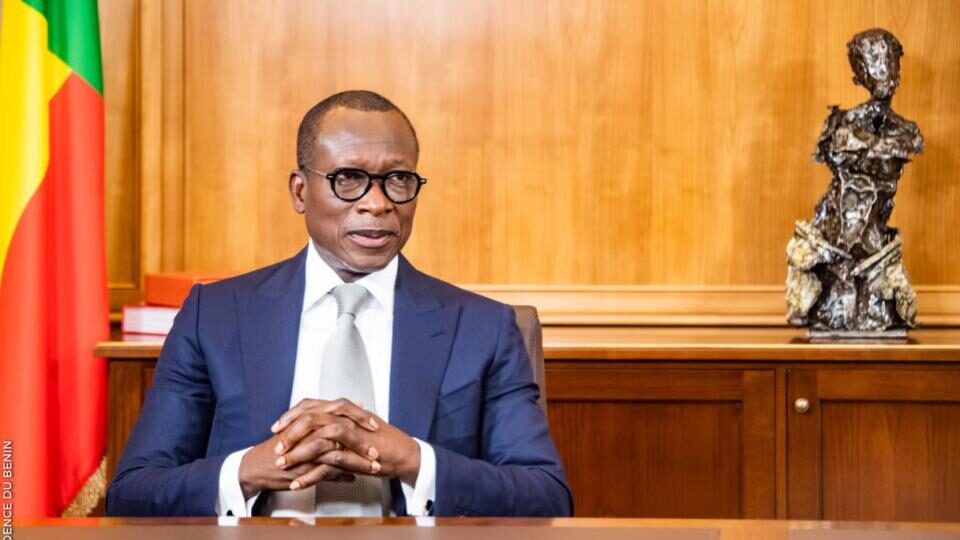
From Republic to Senate: Patrice Talon’s Strategic Transition
The political landscape of Bénin has witnessed a significant shift this week as Patrice Talon, former President of the Republic, assumed the role of President of the newly established Senate. Just two months after completing his second presidential term and the formal handover of power, Talon’s election to this pivotal position marks a new chapter in Bénin’s institutional evolution. The Senate, now a key pillar of the country’s bicameral system, has found in Talon an experienced leader ready to guide its legislative mandate.
Institutional Continuity and Political Influence
This strategic appointment underscores the deliberate restructuring of Bénin’s parliamentary framework, following the constitutional reform that transitioned the nation from a unicameral to a bicameral legislature. The Senate, designed to temper legislative excesses and foster national consensus, now stands as a guardian of democratic stability. Talon’s elevation to this role signals not only a personal milestone but also a reinforcement of institutional continuity in Bénin’s governance.
Patrice Talon’s Vision for the Senate
Elected by the Porto-Novo Governing Assembly, Talon inherits a position with significant legislative responsibilities. His inaugural address emphasized a commitment to legislative moderation, consensus-building, and the preservation of national cohesion. By prioritizing dialogue and balanced governance, he aims to position the Senate as a cornerstone of political stability and institutional harmony in Bénin.
The transition of a former head of state to the presidency of the Senate is a rare yet deliberate move. It reflects a broader strategy to maintain political equilibrium while ensuring that legislative processes remain anchored in deliberation and collective decision-making. Talon’s leadership is expected to lend the Senate the gravitas required to navigate constitutional and legislative reforms with prudence and foresight.