
The government of the Democratic Republic of the Congo (RDC) has initiated a major health offensive to reinforce its response against the Ebola virus. This decisive action comes as a reaction to a serious health alert following the confirmation of a case in France involving a humanitarian doctor who had recently worked in an epidemic zone within the RDC.
Authorities describe the current situation as a critical warning and are moving to block any transmission chains that could cross national borders. This strategy focuses on maximum prevention, aligning with international health security standards to contain the virus effectively.
Mandatory 21-day isolation for high-risk travel
A primary component of this new directive involves the regulation of movement for individuals coming from Ebola-hit regions. Any person who has stayed in an active outbreak center must now observe a mandatory 21-day isolation period, which covers the maximum incubation time of the virus.
This quarantine requirement applies to both internal travel and international journeys. Health officials state that this measure is designed to halt the silent spread of the virus and improve the tracking of suspected cases, particularly those who do not show immediate symptoms during transit.
International case triggers heightened alert
The decision was prompted by the identification of Ebola in a physician by French health authorities. The doctor had been active in an affected area of the RDC before traveling to Europe. Upon detection, the patient was placed in isolation, and a full epidemiological investigation was launched.
Initial findings indicate that the doctor showed no symptoms during the trip from the Ituri province to Kinshasa before departing the country. This highlights the difficulty of identifying infected individuals during the pre-symptomatic phase, despite existing controls at various entry points.
In France, emergency protocols have been activated to trace contacts, although the current risk to the general population there is considered low but under close surveillance.
Cooperation between the RDC and France
In a commitment to transparency and international coordination, the government in Kinshasa has officially contacted French authorities to share travel data and medical information. This collaboration aims to trace all possible contacts on Congolese soil and strengthen the epidemiological monitoring chain.
This joint effort is conducted under the International Health Regulations, which mandate state cooperation during cross-border health threats. The Congolese government emphasizes the need for rapid and structured information exchange to prevent secondary outbreaks.
Enhanced national response and community surveillance
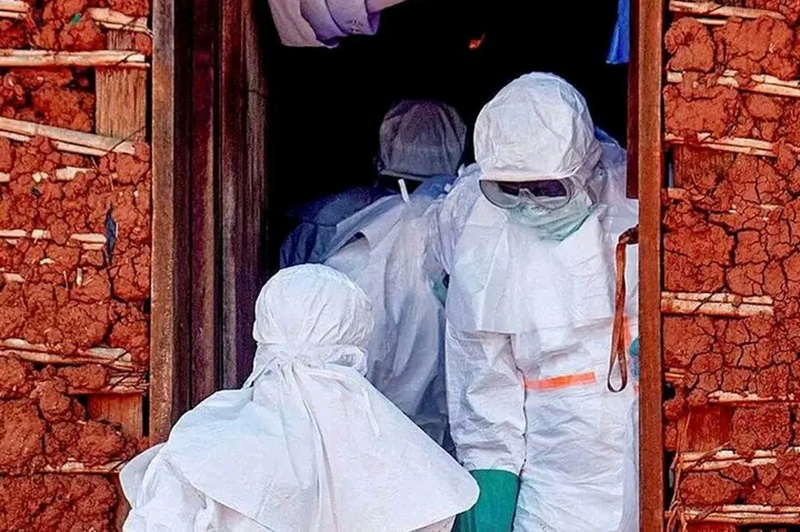
Domestically, health efforts are being ramped up in the affected zones, particularly in the Ituri province. Medical teams are deployed to improve community surveillance, manage suspected cases, and raise awareness among local populations.
Reinforced health checks are also being implemented at strategic transit locations, including airports and major transport routes, to prevent unmonitored movement. The government is calling on community leaders and civil society to play an active role in educating the public about symptoms and prevention measures.
Citizens are urged to remain vigilant, report suspected cases quickly, and collaborate with medical teams. By combining strict isolation measures, international cooperation, and community mobilization, the RDC aims to end the threat and prevent any further spread of the virus.