
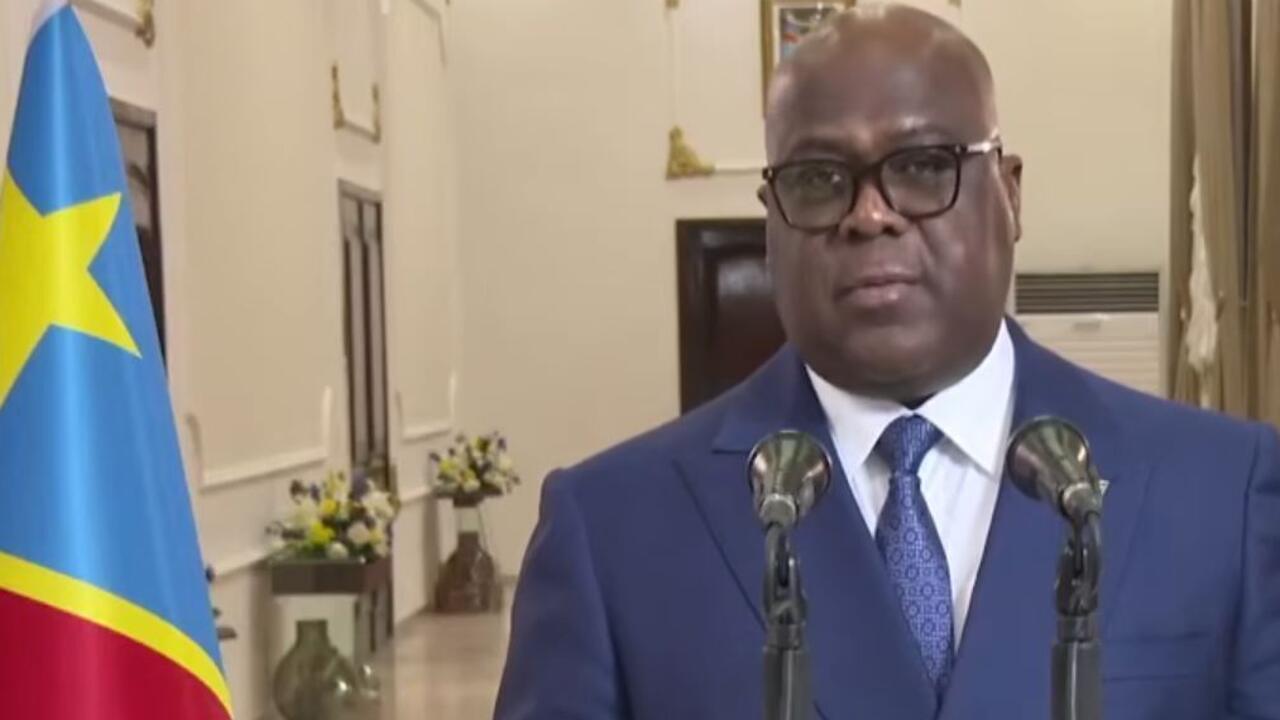
President Félix Tshisekedi has laid out the framework for an extensive national dialogue, a process eagerly sought by the opposition for many months. This crucial initiative aims to re-establish peace and fundamentally reshape the state in the Democratic Republic of Congo. The dialogue is slated to commence across all 26 provinces before converging in Kinshasa, with a maximum duration of three months.
Key stakeholders invited to participate include the ruling majority, various opposition factions, civil society organizations, religious denominations, and diverse segments of the population. However, a significant exclusion has been announced: groups engaged in armed conflict will not be part of these discussions. This raises pivotal questions about the potential for genuine success, particularly concerning the conflict-ridden eastern RDC, if those actively involved in the fighting are not at the table. Furthermore, what distinct elements will enable this new process to achieve breakthroughs where numerous previous dialogues and consultations have faltered?
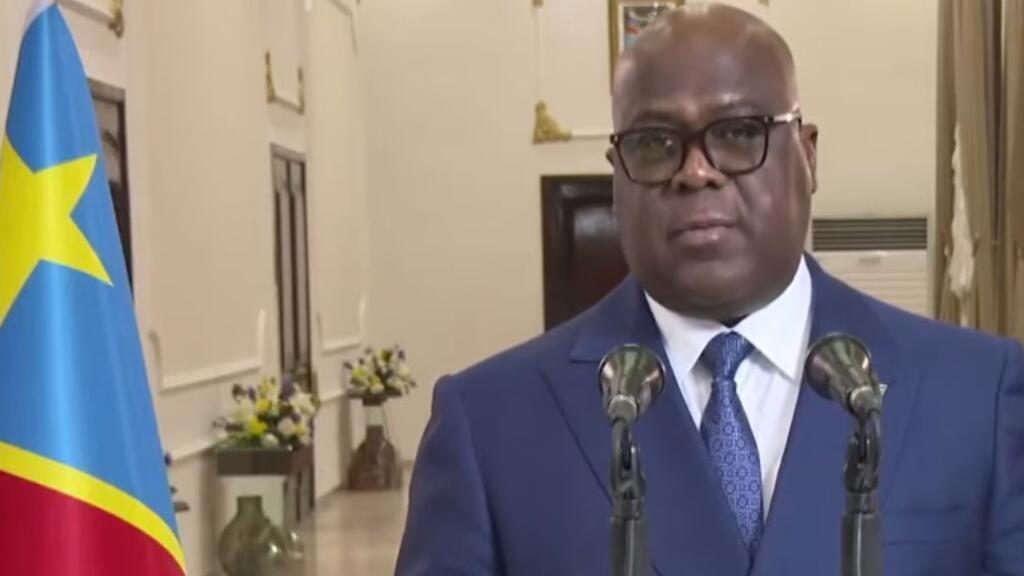
President Tshisekedi’s vision for this national dialogue in the RDC is ambitious. By commencing the discussions at the provincial level before moving to the capital, the government aims to ensure broad representation and capture diverse perspectives from across the vast nation. This decentralized approach is intended to foster a sense of genuine inclusivity, allowing local concerns and grievances to be heard and addressed as part of the larger national reconciliation effort.
However, the decision to exclude armed groups from this national dialogue poses a significant hurdle. Given the persistent conflicts, particularly in the eastern regions of the RDC, the absence of these key actors could undermine the dialogue’s ability to forge lasting peace. Critics question how a comprehensive resolution to the nation’s security challenges can be achieved if those directly involved in the violence are not part of the negotiated solutions.
Past attempts at national dialogue and consultation in the RDC have often fallen short of their objectives, leaving many citizens skeptical about the prospects of this new initiative. For President Tshisekedi’s dialogue to truly succeed, it must demonstrate a clear departure from previous failures. This will likely require innovative strategies for engagement, robust mechanisms for accountability, and a genuine commitment from all participating parties to transcend historical divisions and work towards a unified, peaceful, and reformed state.