
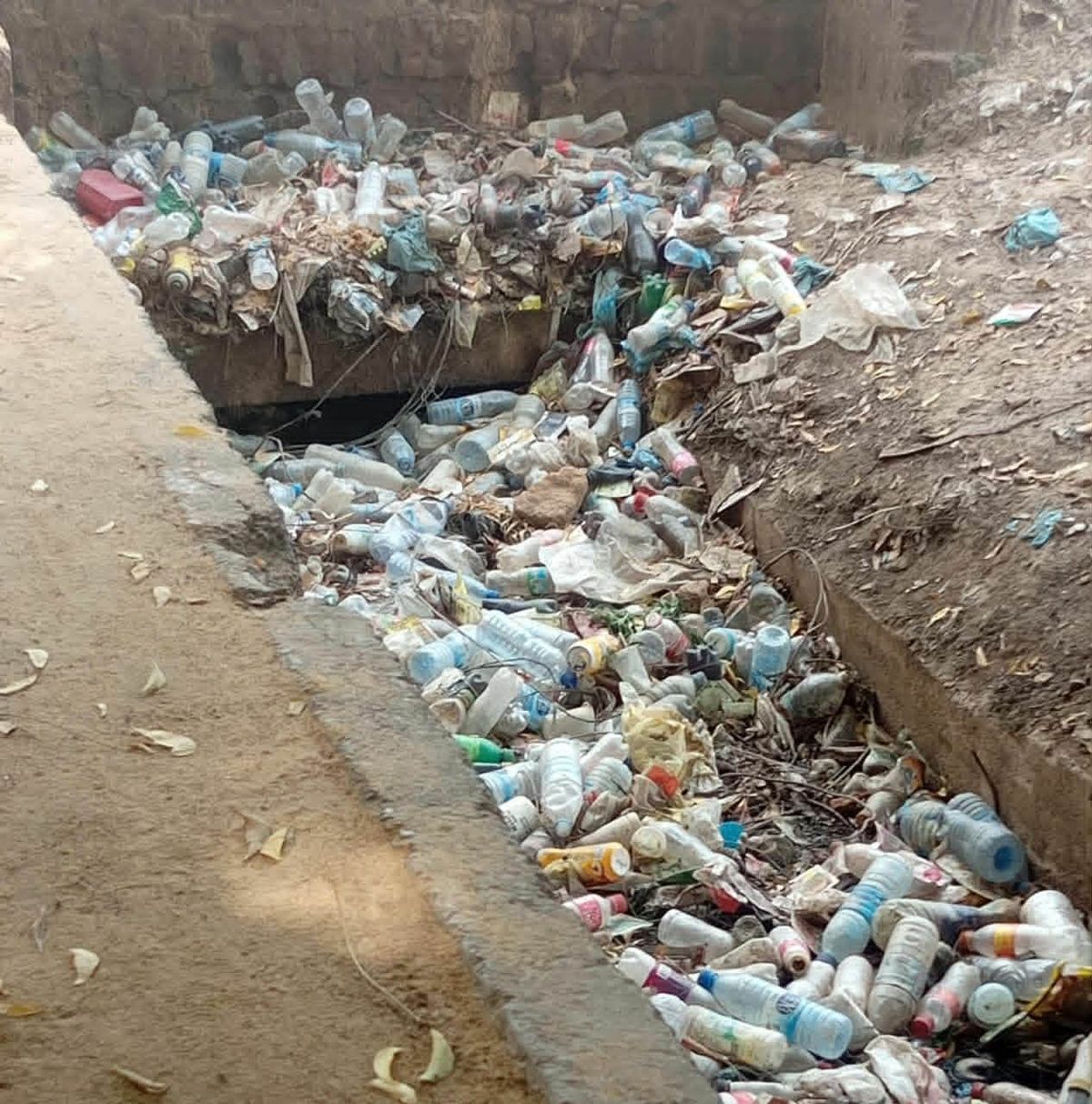
Chad tackles plastic waste: recycling challenges and sustainable solutions
With an annual output of 20,000 tonnes of plastic waste, Chad faces mounting environmental pressures. Despite this staggering volume, the recycling sector remains underdeveloped, hindered by insufficient infrastructure, limited public awareness, and a lack of strategic support. Yet, this untapped sector holds immense potential for economic growth and environmental sustainability.
Plastic pollution in N’Djamena: a growing environmental crisis
N’Djamena, Chad’s bustling capital, generates nearly all of the country’s plastic waste. Citizens dispose of four to five plastic items daily, most ending up in streets, gutters, and unregulated landfills. The consequences are severe: during the rainy season, plastic waste clogs drainage systems, exacerbating floods in vulnerable neighborhoods. Wind carries discarded plastics into waterways, endangering aquatic ecosystems and wildlife.
Plastic materials can take centuries to decompose, leaving lasting scars on Chad’s natural landscapes. While authorities have launched sanitation campaigns and urged public responsibility, these efforts remain fragmented without a cohesive national strategy.
Why recycling in Chad lags behind
The recycling sector’s sluggish growth stems from systemic challenges. First, there is no structured waste separation system. Household waste—plastics, organic matter, metals, and glass—is indiscriminately dumped together, complicating recovery efforts. Second, Chad lacks specialized recycling facilities. The few existing plants, primarily operated by private entrepreneurs or grassroots associations, suffer from outdated equipment, limited funding, and restricted market access. As a result, most plastic waste ends up in open dumps or is incinerated, releasing toxic fumes that threaten public health.
The informal sector: a lifeline with untapped potential
Informal workers, including women and youth, play a crucial role in collecting and reselling recyclable plastics. Their efforts mitigate pollution but occur under precarious conditions, without formal recognition or social protections. These workers remain excluded from policy frameworks, despite their contributions to waste reduction.
In neighboring African nations, plastic waste has become a valuable resource, repurposed into construction materials, furniture, and artisanal products. Chad’s recycling industry, however, remains in its infancy due to minimal investment, technical gaps, and insufficient incentives for businesses to enter the sector.
Building a sustainable recycling economy in Chad
Transforming plastic waste into economic assets requires a multi-pronged approach. Authorities must implement structured waste separation programs, invest in modern recycling infrastructure, and provide technical and financial support to emerging businesses. Policies should also encourage producers to minimize single-use packaging and promote innovative recycling solutions.
International partners could significantly accelerate progress by funding infrastructure, training local entrepreneurs, and facilitating technology transfers. Beyond environmental benefits, a thriving recycling industry could generate thousands of jobs, stimulate local entrepreneurship, and diversify income sources while enhancing urban livability.
The path forward is clear: Chad must shift its perspective on waste, viewing it not as a burden but as a resource. By fostering political will, fostering public engagement, and investing in sustainable solutions, the country can unlock the economic and ecological benefits of recycling—securing a cleaner, healthier future for its people.