
Diplomatic Tensions and Economic Dependencies in West Africa
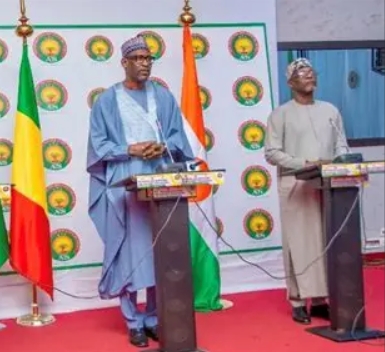
Recent statements by foreign ministers from Niger and Mali have sparked international attention. While the officials level severe accusations against neighboring West African nations within the Economic Community of West African States (ECOWAS), they simultaneously express willingness to collaborate on specific regional matters. This contradictory stance—oscillating between confrontation and cooperation—reveals a deeper challenge: severing ties with a regional bloc is far more complex than political rhetoric suggests.
Contradictions in Foreign Policy: Choose Accusation or Cooperation
Niger and Mali have accused ECOWAS member states of harboring ties with armed terrorist organizations. Yet, these same governments propose renewed partnerships with the bloc. International relations experts argue that such inconsistency undermines diplomatic credibility.
Why this approach fails: When a nation publicly accuses its neighbors of supporting terrorism that has claimed the lives of its own soldiers, it becomes illogical to immediately seek economic alliances with those same neighbors. Such behavior risks portraying the Sahel’s leadership as unreliable on the global stage, where negotiations require trust and consistency.
Geographical Realities: Trade and Economic Necessities
The decision to withdraw from ECOWAS was framed as a move toward full independence. However, geography imposes unignorable constraints. Both Niger and Mali are landlocked countries, entirely dependent on coastal neighbors for essential imports such as food, medicine, and construction materials.
Key economic dependencies include:
- Port access: Vital imports pass through ports in Cotonou (Benin), Lomé (Togo), and Abidjan (Côte d’Ivoire). Without cooperation, transport costs would surge, pushing already high living expenses beyond the reach of ordinary citizens.
- Trade routes: The Sahel nations rely on transit agreements to move goods across borders. Disrupting these routes would paralyze local economies, undermining the very sovereignty they seek to assert.
By seeking continued cooperation, the ministers tacitly acknowledge that the Alliance of Sahel States (AES) cannot function in isolation. Economic survival often trumps political defiance.
The Illusion of Leaving While Keeping Benefits
Withdrawal from ECOWAS was a bold political statement aimed at domestic audiences. However, the notion of retaining technical and economic advantages of membership while rejecting its rules is a flawed strategy.
This paradox highlights a critical reality:
- Broken trust: ECOWAS operates on shared agreements. When a country exits, insults its former partners, and expects unrestricted trade, it weakens the legal protections for its own businesses and investors.
- Unsustainable isolation: Political defiance does not eliminate practical needs. Without ECOWAS frameworks, Niger and Mali face higher transaction costs, reduced foreign investment, and diminished regional security cooperation.
From Anger to Pragmatic Solutions
Emotions drive headlines, but they do not resolve crises. Terrorism in the Sahel does not respect national borders. It thrives in the gaps created by political divisions. A coordinated regional response—sharing intelligence, harmonizing military strategies, and securing borders—remains the only viable path to stability.
Divisive rhetoric not only alienates potential allies but also plays into the hands of extremist groups that exploit regional fractures. True security cannot be achieved through confrontation but through collaboration.
Sovereignty Beyond Rhetoric
Niger and Mali are discovering that true sovereignty extends beyond political declarations. A nation’s strength is measured by its ability to feed its people, protect its citizens, and provide essential services. These objectives require more than defiance—they demand cooperation with neighbors.
Prioritizing propaganda over practical governance risks deepening economic hardship and insecurity. The citizens of the Sahel deserve leaders who balance national pride with the realities of interdependence. In a globally connected world, isolation is not strength—it is a vulnerability.