
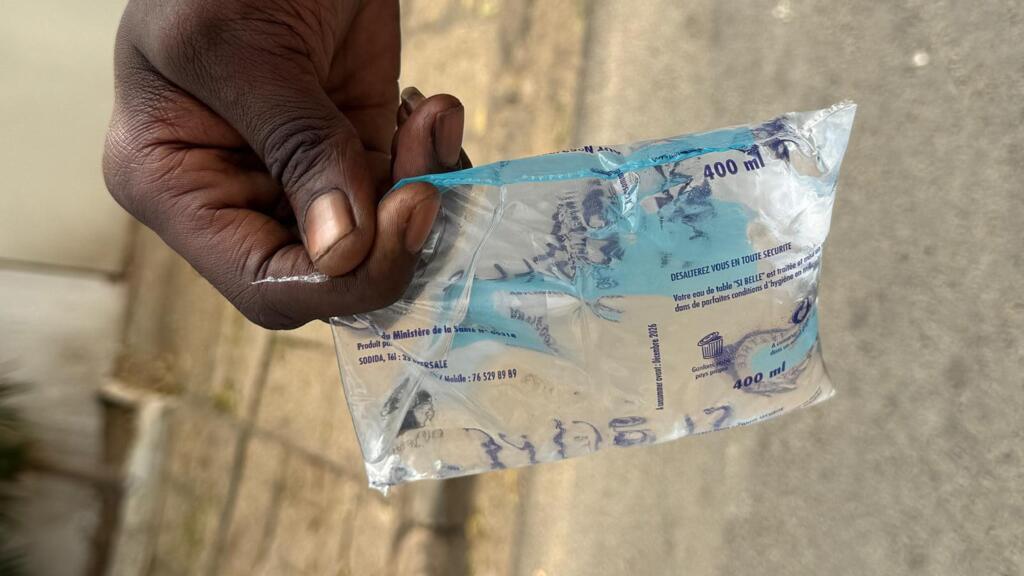
Sénégal faces pressing health concerns over contaminated sachet water
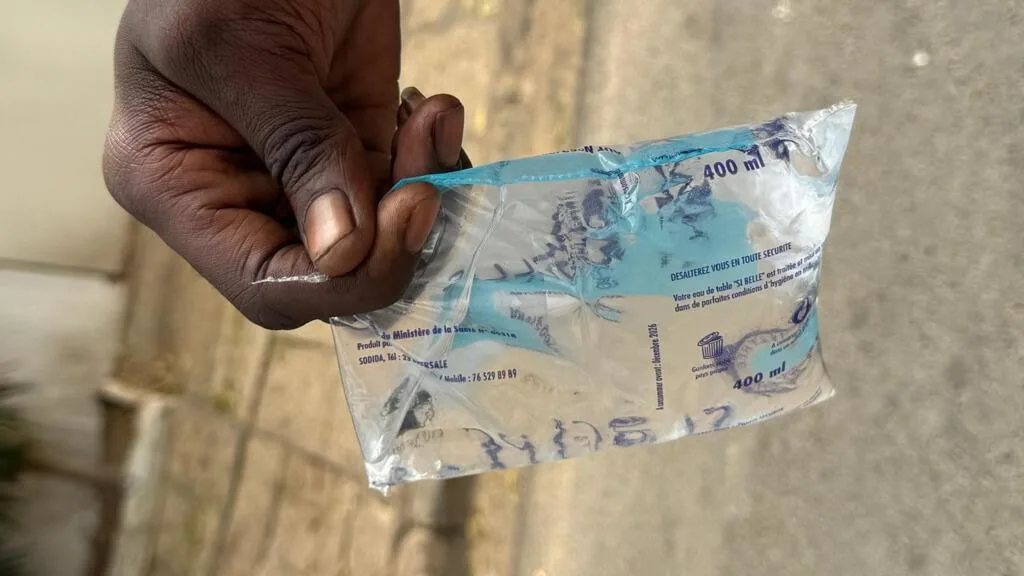
A recent investigation into the quality of sachet water in Sénégal’s capital, Dakar, has unveiled concerning results, pointing to significant health risks for the local population. Carried out between August and September 2018, the study by four researchers from the Cheikh-Anta-Diop University of Dakar examined a popular and affordable hydration source: packaged water sachets.
The research involved collecting 60 water sachets, ranging from 300 ml to 500 ml in volume, from 15 distinct brands. These samples were sourced from five of Dakar’s largest markets: Tilène, Thiaroye, Colobane, Grand-Yoff, and Soumbédioune, areas where sachet water is widely consumed due to its low cost.
The findings from two separate tests, designed to detect microorganisms such as molds and bacteria commonly found in the environment or intestinal tracts, were unequivocally alarming. The levels of these contaminants significantly surpassed the established guidelines set by the World Health Organization (WHO).
A staggering 83 percent of the tested sachets were found to be contaminated with bacteriological germs. Furthermore, 15 percent of the samples contained coliforms, indicating a potential for fecal contamination, which poses a serious public health threat.
The university study highlighted these results as evidence of “defective hygiene in the transformation process” of the water. It underscored “a sanitary risk” for “the population of Dakar who consumes these waters” and emphasized the critical need to “warn consumers” and to “control the sale of packaged sachet water.”
This report follows a significant intervention by Senegalese police in May, prior to the study’s completion, when authorities dismantled 12 clandestine sites involved in the illicit production of sachet water on the outskirts of Dakar, underscoring ongoing challenges in regulating this industry.