
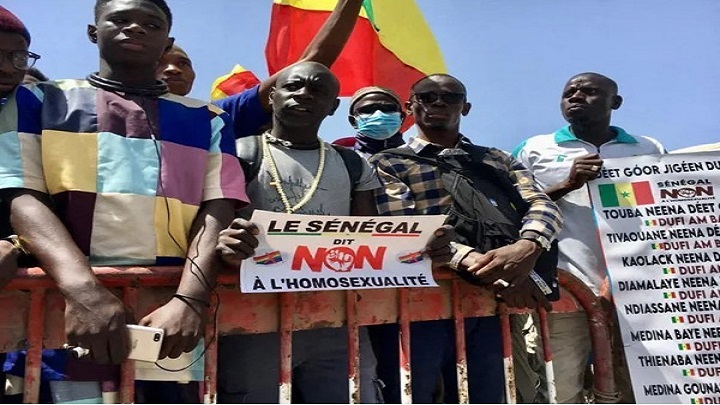
Tensions have escalated between Senegal and France following the adoption of a stringent anti-LGBT+ law in Dakar and the detention of a French national in early 2026. The legislative changes and legal proceedings have ignited debates on human rights, state sovereignty, and international diplomacy, reshaping the dynamics of their bilateral relationship.
Senegal tightens penalties under new anti-LGBT+ legislation
On March 11, 2026, Senegal’s National Assembly passed a bill that significantly increases penalties for same-sex relationships. Government officials defend the reform as a necessary alignment with the country’s sociocultural values, arguing that the existing legal framework already restricts such acts but requires further deterrence. The amendments have drawn swift international condemnation, particularly from human rights organizations and Western governments.
French national faces legal action in Dakar
A French engineer in his 30s, residing in Dakar, was arrested on February 14, 2026, and charged with multiple offenses, including unnatural acts, conspiracy, money laundering, and alleged HIV transmission. French consular authorities confirm they are closely monitoring the case and maintaining regular contact with the detainee and his family, underscoring the diplomatic stakes involved.
Diplomatic fallout and clashing perspectives
French officials have publicly criticized the Senegalese government’s stance on LGBT+ rights, with prominent figures like Yaël Braun-Pivet condemning the criminalization of sexual orientation as a violation of fundamental freedoms. Meanwhile, Senegal has pushed back, asserting its sovereign right to legislate in accordance with its cultural and legal traditions. This divergence has sparked a broader discussion on whether international human rights concerns justify external interference in domestic affairs.
Redefining Franco-Senegalese relations
The dispute occurs against a backdrop of shifting diplomatic ties between Paris and Dakar, as both nations seek to recalibrate their partnership in areas like security, trade, and governance. While some observers see this as an opportunity to modernize relations, others warn that ideological clashes—particularly on contentious social issues—could undermine cooperation. The clash over LGBT+ rights has thus become a litmus test for the future of their alliance.
Global implications for LGBT+ protections
Beyond the individual case, the controversy highlights the growing divide between Western advocacy for LGBT+ rights and the varying legal landscapes across Africa. Advocacy groups demand stronger international safeguards for persecuted minorities, while proponents of national sovereignty argue that cultural relativism must take precedence. With no immediate resolution in sight, the debate continues to evolve, leaving both nations to navigate a complex diplomatic landscape.