
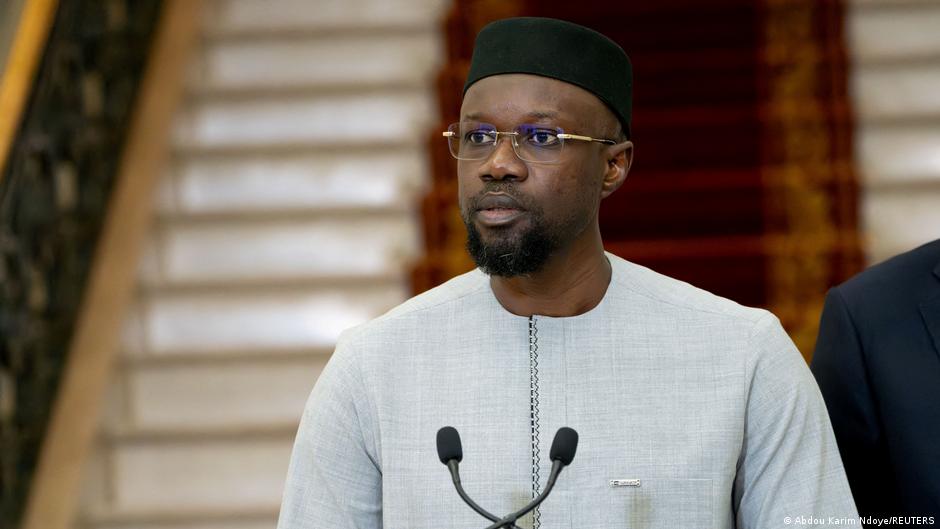
The Constitutional Council’s decision to strike down the Pastef-backed institutional reform marks another setback in the escalating tensions between President Bassirou Diomaye Faye and opposition leader Ousmane Sonko.
In a ruling delivered yesterday, the Council declared the reform unconstitutional, citing two critical flaws: the absence of a funding mechanism for the proposed Constitutional Court and procedural violations during parliamentary debates. The reform, which aimed to rebalance institutional powers, was passed by the National Assembly where the ruling party holds a strong majority.
Constitutional hurdles derail reform ambitions
The Council’s decision was triggered by a referral from President Faye himself, who sought judicial review of the reform. Legal experts highlight that the proposed changes would have introduced significant new public expenditure without secured revenue streams, violating constitutional fiscal provisions.
According to constitutional lawyer Adji Diarra Mergane Kanouté, the ruling closes one chapter but leaves the door open for future revisions—provided they comply strictly with constitutional procedures. She emphasized that any reform involving public spending, such as establishing a new Constitutional Court or electoral processes, must include compensatory financing as mandated by the Constitution.
Strengthened parliamentary oversight under scrutiny
Another contentious element of the reform—expanding parliamentary investigative powers over natural resource contracts—has also been invalidated. The opposition coalition Ensemble Demain argues that while the reform aimed to enhance transparency, its execution failed to meet constitutional standards.
Dr. Binette Ndiaye, coordinator of the Citizen Forum, praised the Council’s ruling, stating it reinforces the principle of inclusive governance. “Even with a parliamentary majority, constitutional changes require broad consensus,” she noted, adding that the decision underscores the need for dialogue over unilateral policy shifts.
Power struggle intensifies as political rifts widen
Ousmane Sonko, who was removed from the Prime Minister’s office in May, had positioned himself as a key institutional player by assuming the National Assembly presidency. However, his recent public statements have revealed growing friction with President Faye.
Observers describe the current situation as a “cohabitation” crisis, with Sonko openly challenging the president’s authority. Political analysts warn that the Constitutional Council’s ruling could further destabilize an already fragile power balance, potentially reshaping Senegal’s political trajectory in the coming years.